Chin Reshaping in FFS: Techniques, Costs, and Recovery Guide

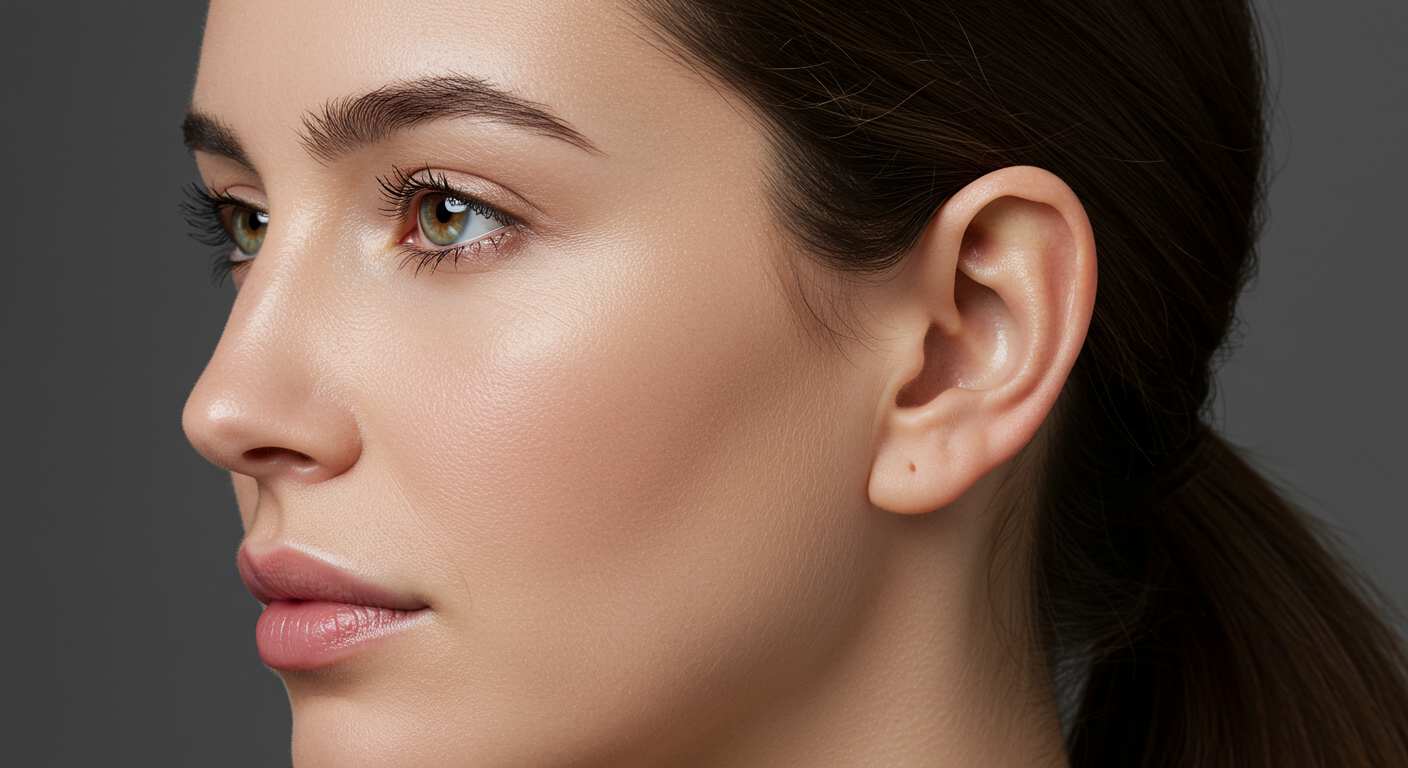
A young woman with brown hair and warm brown eyes is captured in a close-up portrait. The lighting is soft, highlighting her facial features with a gentle glow, creating a serene and introspective mood.

Facial feminization surgery (FFS) is a transformative journey for transgender women and non-binary individuals seeking to align their facial features with their gender identity. Among the most impactful procedures in FFS, chin reshaping and contouring play a pivotal role in creating a softer, more traditionally feminine appearance. The chin, a prominent facial feature, often carries masculine traits such as a square shape, strong projection, or a pronounced jawline. Addressing these characteristics can significantly enhance facial harmony and boost self-confidence.

This comprehensive guide delves into the intricacies of chin reshaping and contouring within the context of FFS. We will explore:

  • The science behind chin femininity and why it matters.
  • Cutting-edge techniques used in chin reshaping and contouring.
  • What to expect during the procedure and recovery process.
  • Cost considerations and how to choose the right surgeon.
  • Real-life transformations and patient experiences.

Whether you’re just beginning to explore FFS or are ready to take the next step, this guide will equip you with the knowledge to make informed decisions about your journey.

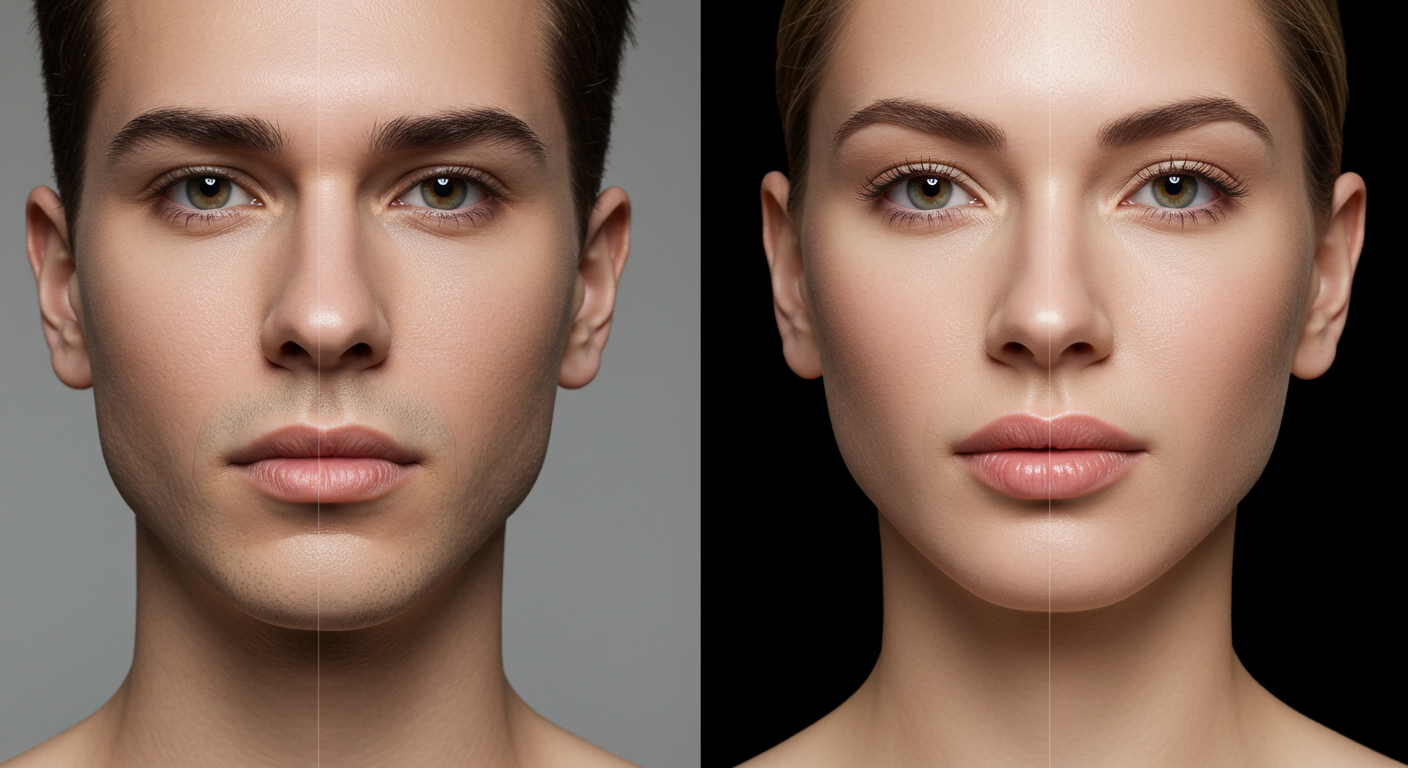
A side-by-side comparison of a man and a woman's faces, highlighting facial symmetry and features.

The Role of the Chin in Facial Feminization

The chin is a central feature of the face, influencing overall facial balance and harmony. In the context of facial feminization, the goal is to soften and refine the chin to create a more traditionally feminine appearance. Here’s why chin reshaping is a critical component of FFS:

Why the Chin Matters in Feminization

Research in facial aesthetics indicates that feminine chins tend to be:

  • Smaller and less projected compared to masculine chins, which are often broader and more prominent.
  • Round or oval-shaped, as opposed to the square or angular shapes commonly seen in masculine chins.
  • Smoother in contour, with fewer sharp angles or pronounced edges.

A well-contoured chin can enhance the perception of other feminine features, such as higher cheekbones and a delicate jawline, creating a cohesive and harmonious look.

Common Masculine Chin Traits

Many transgender women seek chin reshaping to address the following masculine traits:

  • Square or wide chin: A broad chin can create a more angular, masculine appearance.
  • Strong projection: A chin that juts forward can appear dominant and less feminine.
  • Deep mental crease: The crease between the lower lip and chin can be more pronounced in masculine chins.
  • Flat or recessed chin: While less common, some individuals may have a chin that lacks definition, which can also be refined for a more feminine look.

How Chin Reshaping Complements Other FFS Procedures

Chin reshaping is often performed in conjunction with other FFS procedures to achieve a balanced and feminine facial aesthetic. Common complementary procedures include:

  • Jaw contouring: Reducing the width or angle of the jaw to create a softer, more oval shape.
  • Cheek augmentation: Enhancing the cheekbones to create a more lifted and feminine midface. Learn more about cheek augmentation in FFS.
  • Rhinoplasty: Reshaping the nose to better suit a feminine facial profile.
  • Forehead contouring: Reducing the brow ridge and reshaping the forehead for a smoother, more feminine appearance.

By addressing the chin in tandem with these procedures, surgeons can create a cohesive and natural-looking result that aligns with the patient’s gender identity.

A close-up portrait of a person's face, focusing on the lips and nose, with a dark background.

Chin Reshaping Techniques in FFS

Chin reshaping in FFS involves a variety of techniques tailored to the individual’s unique anatomy and aesthetic goals. Below, we explore the most common methods used to achieve a feminine chin profile.

Genioplasty: The Gold Standard for Chin Reshaping

Genioplasty is a surgical procedure that involves reshaping the chin bone (mandible) to achieve a more feminine appearance. This technique is highly customizable and can address a range of concerns, including:

  • Reducing chin projection (setback genioplasty).
  • Narrowing a wide or square chin.
  • Adding definition to a recessed chin.
  • Smoothing the contour of the chin for a softer look.

The procedure typically involves:

  1. Making an incision inside the mouth (to avoid visible scarring).
  2. Reshaping or repositioning the chin bone.
  3. Securing the bone with plates and screws (which are typically not noticeable).

Genioplasty is often preferred for its precision and ability to create dramatic yet natural-looking results.

Chin Implants: Adding Definition and Projection

For individuals with a recessed or underdeveloped chin, chin implants can provide added projection and definition. Implants are typically made of silicone or other biocompatible materials and are placed through a small incision under the chin or inside the mouth. This technique is less invasive than genioplasty and can be an excellent option for those seeking subtle enhancements.

Fat Grafting and Soft Tissue Contouring

In some cases, fat grafting or soft tissue contouring may be used to refine the chin’s appearance. This involves:

  • Harvesting fat from another area of the body (such as the thighs or abdomen).
  • Injecting the fat into the chin to add volume or smooth contours.

Fat grafting is often used in conjunction with other procedures, such as genioplasty, to fine-tune the chin’s shape and create a more feminine profile.

Non-Surgical Options: Fillers and Botox

For those not ready for surgery, non-surgical options like dermal fillers and Botox can provide temporary improvements. Fillers can add volume to a recessed chin or smooth out sharp angles, while Botox can relax the muscles around the chin to reduce the appearance of a strong jawline. While these options are less permanent, they can be a good starting point for individuals exploring their feminization journey.

Comparing Techniques: Which Is Right for You?

TechniqueBest ForRecovery TimePermanenceCost Range
GenioplastyDramatic reshaping, reducing projection, narrowing chin4-6 weeksPermanent$5,000 – $10,000
Chin ImplantsAdding projection, subtle enhancements2-3 weeksPermanent$3,000 – $7,000
Fat GraftingSoftening contours, adding volume2-4 weeksLong-lasting (but may require touch-ups)$2,500 – $6,000
Fillers/BotoxTemporary enhancements, minimal downtime1-2 days6-18 months$500 – $2,000

Your surgeon will help you determine the best approach based on your anatomy, goals, and budget. For a deeper dive into FFS techniques, visit our Facial Feminization Surgery Guide.

What to Expect During the Chin Reshaping Procedure

Undergoing chin reshaping as part of FFS is a significant step, and knowing what to expect can help ease any anxieties. Below, we outline the typical journey from consultation to recovery.

Pre-Surgical Consultation: Setting Goals and Expectations

The first step in your chin reshaping journey is a pre-surgical consultation with a qualified FFS surgeon. During this appointment, you will:

  • Discuss your aesthetic goals and concerns.
  • Undergo a physical examination of your chin and facial structure.
  • Review before-and-after photos of previous patients to set realistic expectations.
  • Receive a personalized treatment plan outlining the recommended procedures, techniques, and expected outcomes.

This is also an opportunity to ask questions about the surgeon’s experience, the risks and benefits of the procedure, and what to expect during recovery.

Day of Surgery: Step-by-Step

On the day of your chin reshaping procedure, you can expect the following steps:

  1. Preparation: You’ll arrive at the surgical facility and be prepped for surgery. This may include marking the surgical sites and administering anesthesia (typically general anesthesia for genioplasty).
  2. Incision: For genioplasty, the surgeon will make an incision inside the mouth to access the chin bone. For chin implants, the incision may be under the chin or inside the mouth.
  3. Reshaping/Implant Placement: The surgeon will reshape the chin bone or place the implant, depending on the technique used. For genioplasty, the bone may be cut, repositioned, and secured with plates and screws.
  4. Closure: The incisions will be closed with dissolvable or removable stitches.
  5. Recovery Room: You’ll be monitored in a recovery room until you’re awake and stable enough to go home (or to a recovery facility, if required).

Recovery Timeline and Aftercare

Recovery from chin reshaping varies depending on the technique used, but here’s a general timeline:

  • First 48 Hours: Swelling, bruising, and discomfort are common. Pain medication and cold compresses can help manage symptoms.
  • First Week: Most patients can return to light activities, but strenuous exercise and heavy lifting should be avoided. A soft or liquid diet may be recommended.
  • 2-4 Weeks: Swelling and bruising will begin to subside, and you may start to see initial results. Follow-up appointments with your surgeon will ensure proper healing.
  • 6-12 Weeks: Final results will become more apparent as swelling fully resolves. Bone healing (for genioplasty) may take up to 6 months.

Your surgeon will provide detailed aftercare instructions, including how to clean the incision site, manage pain, and monitor for signs of complications (such as infection or poor healing).

Potential Risks and Complications

While chin reshaping is generally safe, all surgical procedures carry some risks. Potential complications may include:

  • Infection at the incision site.
  • Nerve damage, which could cause temporary or permanent numbness in the chin or lower lip.
  • Asymmetry or dissatisfaction with the aesthetic result.
  • Plate or screw irritation (for genioplasty).
  • Implant shifting or rejection (for chin implants).

Choosing a board-certified surgeon with extensive experience in FFS can minimize these risks and ensure a safe, successful outcome.

Cost, Insurance, and Choosing the Right Surgeon

Chin reshaping is an investment in your confidence and well-being, but it’s important to understand the financial and logistical aspects of the procedure. Below, we break down the key considerations.

Understanding the Cost of Chin Reshaping

The cost of chin reshaping in FFS varies widely depending on the technique used, the surgeon’s experience, and the geographic location of the clinic. Below is a general cost breakdown:

  • Genioplasty: $5,000 – $10,000
  • Chin Implants: $3,000 – $7,000
  • Fat Grafting: $2,500 – $6,000
  • Fillers/Botox: $500 – $2,000

Note that these costs typically include the surgeon’s fee, anesthesia, and facility fees. Additional expenses may include pre-surgical consultations, post-operative care, and medications.

Does Insurance Cover Chin Reshaping?

Insurance coverage for chin reshaping as part of FFS varies by provider and policy. Some key points to consider:

  • Many insurance plans classify FFS as a cosmetic procedure and do not cover it.
  • However, some providers may cover FFS if it is deemed medically necessary for treating gender dysphoria. This often requires a letter of support from a mental health professional.
  • Check with your insurance provider to understand your coverage options and any pre-authorization requirements.

For more information on navigating insurance for FFS, visit our MTF Facial Feminization Surgery Guide.

How to Choose the Right Surgeon

Selecting a qualified and experienced surgeon is critical to achieving safe and satisfying results. Here’s what to look for:

  • Board Certification: Ensure your surgeon is board-certified in plastic surgery or facial plastic surgery.
  • FFS Experience: Look for a surgeon who specializes in FFS and has extensive experience working with transgender patients.
  • Before-and-After Photos: Review the surgeon’s portfolio to assess their aesthetic style and the quality of their results.
  • Patient Testimonials: Read reviews and testimonials from previous patients to gauge satisfaction and outcomes.
  • Consultation Process: A thorough consultation should include a detailed discussion of your goals, a physical examination, and a personalized treatment plan.

Don’t hesitate to ask questions during your consultation, such as:

  • How many chin reshaping procedures have you performed?
  • What techniques do you recommend for my specific anatomy?
  • What are the potential risks and complications?
  • Can I see before-and-after photos of your previous patients?

Real-Life Transformations and Patient Stories

Hearing from individuals who have undergone chin reshaping as part of their FFS journey can provide valuable insights and inspiration. Below, we share some real-life transformations and experiences.

Patient Story: Emily’s Journey to a Softer Chin

Emily, a 32-year-old transgender woman, struggled with the masculine appearance of her chin for years. “My chin was always something that made me feel self-conscious,” she shares. “It was broad and square, and I felt like it didn’t match the rest of my face.”

After consulting with an FFS specialist, Emily opted for a setback genioplasty to reduce the projection and width of her chin. “The recovery was manageable, and I started seeing results after about a month,” she says. “Now, my chin looks so much softer and more feminine. It’s made a huge difference in my confidence.”

Patient Story: Sophia’s Experience with Chin Implants

Sophia, a 28-year-old non-binary individual, chose chin implants to add definition to her recessed chin. “I wanted something subtle but impactful,” she explains. “The procedure was quick, and the recovery was easy. I love how my chin now balances my other features.”

Before-and-After Gallery

Visual transformations can be incredibly powerful. Below is a table summarizing common changes seen in chin reshaping procedures:

BeforeAfterKey Changes
Square, broad chinRound, softer chinReduced width, smoothed contours
Strong chin projectionSubtle, feminine projectionSetback genioplasty to reduce projection
Recessed chinDefined, balanced chinChin implant or fat grafting for added volume

For more inspiring transformations, explore our Facial Feminization Surgery Gallery.

A close-up portrait of a woman with striking green eyes and long dark hair, posing against a blurred background.

Conclusion: Taking the Next Step in Your Journey

Chin reshaping and contouring are powerful tools in the facial feminization process, offering transgender women and non-binary individuals the opportunity to achieve a softer, more harmonious facial profile. By understanding the techniques, recovery process, and cost considerations, you can make an informed decision that aligns with your goals and expectations.

Key Takeaways

  • Chin reshaping is a critical component of FFS, addressing masculine traits like square shapes, strong projection, and sharp angles.
  • Techniques like genioplasty, chin implants, and fat grafting offer customized solutions for achieving a feminine chin.
  • Recovery varies by technique, but most patients can return to normal activities within 2-4 weeks.
  • Choosing the right surgeon is essential for safe and satisfying results.
  • Costs range from $3,000 to $10,000, depending on the procedure and surgeon’s experience.

Next Steps

If you’re ready to explore chin reshaping as part of your FFS journey, consider the following steps:

  1. Research qualified FFS surgeons in your area or consider traveling to a specialist.
  2. Schedule a consultation to discuss your goals and receive a personalized treatment plan.
  3. Review before-and-after photos to set realistic expectations.
  4. Prepare financially by understanding the costs and exploring insurance coverage options.
  5. Connect with the transgender community to hear about others’ experiences and gain support.

For more information on FFS and other feminization procedures, visit our Facial Feminization Surgery Guide.

Frequently Asked Questions About Chin Reshaping in FFS

How much does chin feminization surgery cost?

The cost of chin feminization surgery varies depending on the technique used. Genioplasty typically ranges from $5,000 to $10,000, while chin implants cost between $3,000 and $7,000. Non-surgical options like fillers and Botox are less expensive, ranging from $500 to $2,000.

What does facial feminization surgery include?

Facial feminization surgery (FFS) is a collection of procedures designed to create a more feminine facial appearance. Common procedures include forehead contouring, rhinoplasty, cheek augmentation, jaw contouring, and chin reshaping. The specific procedures included depend on the individual’s goals and anatomy. For more details, visit our FFS overview page.

Is chin reshaping painful?

Most patients experience some discomfort after chin reshaping, but this is typically manageable with pain medication. The level of pain varies depending on the technique used, with genioplasty generally involving more discomfort than chin implants or fat grafting. Your surgeon will provide detailed aftercare instructions to help manage pain and ensure a smooth recovery.

How long does it take to see results from chin reshaping?

Initial results from chin reshaping may be visible within a few weeks, but it can take up to 6 months for the final results to fully manifest, especially for procedures like genioplasty that involve bone healing. Swelling and bruising will subside gradually, revealing the refined contours of your new chin.

Can chin reshaping be combined with other FFS procedures?

Yes, chin reshaping is often combined with other FFS procedures, such as jaw contouring, cheek augmentation, and rhinoplasty, to achieve a balanced and harmonious facial appearance. Combining procedures can also reduce overall recovery time and costs.

Are there non-surgical alternatives to chin reshaping?

Yes, non-surgical options like dermal fillers and Botox can provide temporary improvements to the chin’s appearance. Fillers can add volume or smooth contours, while Botox can relax the muscles around the chin to reduce the appearance of a strong jawline. These options are less permanent but can be a good starting point for individuals exploring their feminization journey.

How do I choose the right surgeon for chin reshaping?

Choosing the right surgeon is critical for achieving safe and satisfying results. Look for a board-certified surgeon with extensive experience in FFS and a portfolio of before-and-after photos that demonstrate their expertise. Reading patient testimonials and scheduling a consultation to discuss your goals can also help you make an informed decision.

What are the risks of chin reshaping surgery?

While chin reshaping is generally safe, potential risks include infection, nerve damage, asymmetry, and dissatisfaction with the aesthetic result. Choosing a qualified and experienced surgeon can minimize these risks and ensure a successful outcome.

Visit Dr.MFO Instagram profile to see real patient transformations! Get a glimpse of the incredible results achieved through facial feminization surgery and other procedures. The profile showcases before-and-after photos that highlight Dr. MFO’s expertise and artistic vision in creating natural-looking, beautiful outcomes.

Ready to take the next step in your journey? Schedule a free consultation with Dr. MFO ( Best Facial Feminization Surgeon for You) today. During the consultation, you can discuss your goals, ask any questions you may have, and learn more about how Dr. MFO can help you achieve your desired look. Don’t hesitate to take advantage of this free opportunity to explore your options and see if Dr. MFO is the right fit for you.

Orbital Rim Contouring in FFS: 2025 Ultimate Guide & Recovery

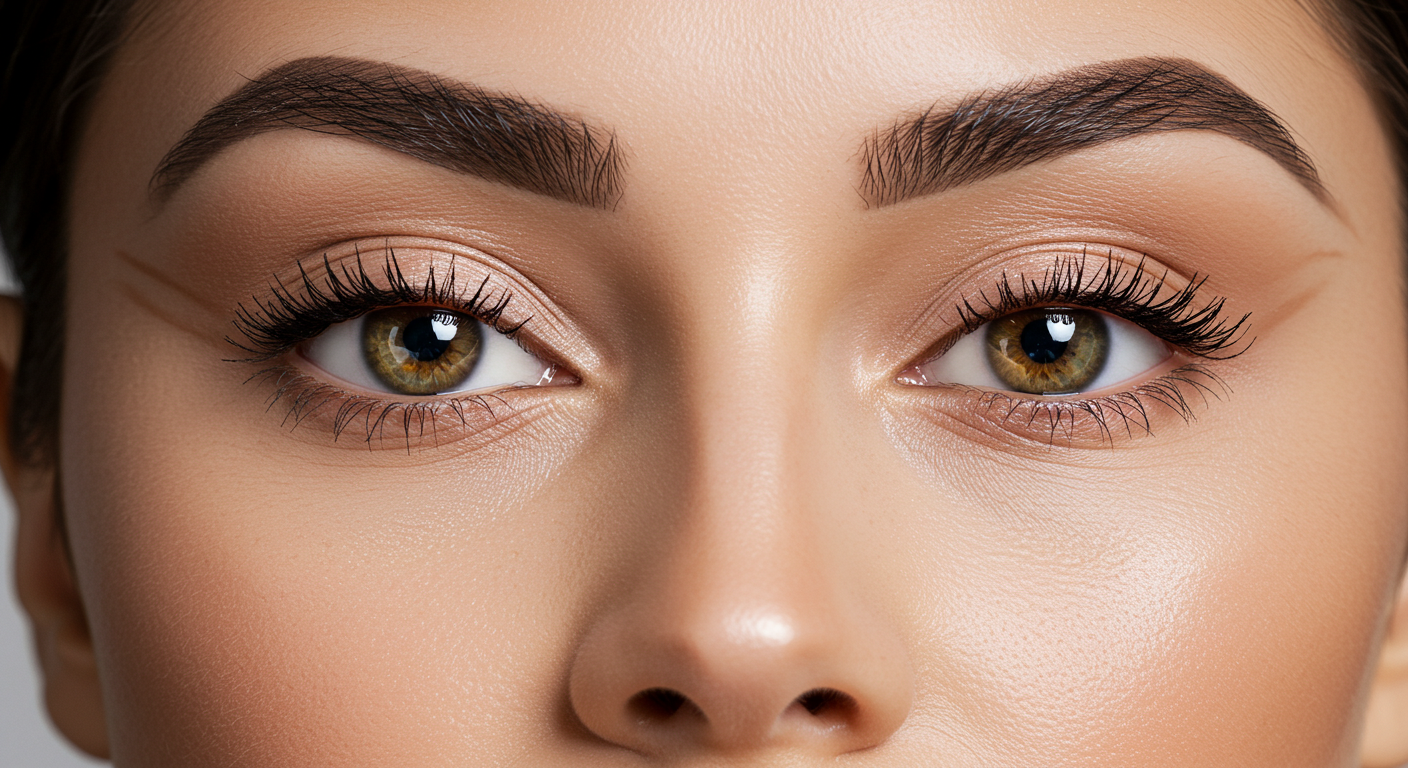
A close-up portrait of a person with detailed makeup, featuring prominent eyes with long eyelashes and well-defined eyebrows, set against a plain background.

For transgender women, achieving a harmonious, feminine facial appearance is a transformative step in their journey. One of the most impactful procedures in Facial Feminization Surgery (FFS) is orbital rim contouring, which reshapes the eye socket area to create a softer, more traditionally feminine look. This procedure is not just about aesthetics—it’s about aligning physical appearance with gender identity, boosting confidence, and enhancing overall well-being.

In this comprehensive guide, we’ll explore everything you need to know about orbital rim contouring in FFS, including its role in facial feminization, the surgical process, recovery timeline, and how to choose the right surgeon. Whether you’re considering FFS or simply curious about the procedure, this guide will provide the insights you need.

A close-up photograph of a person's face focusing on their eyes and eyebrows. The person has green eyes and well-groomed eyebrows.

What Is Orbital Rim Contouring and Why Is It Important in FFS?

Orbital rim contouring is a specialized surgical procedure designed to reshape the bony structures around the eyes. The orbital rim, which includes the supraorbital ridge (brow bone) and lateral orbital rim (outer eye socket), plays a significant role in defining facial gender. In many transgender women, these areas may appear more prominent or angular, contributing to a masculine facial appearance.

By contouring the orbital rim, surgeons can:

  • Reduce the prominence of the brow bone, creating a smoother forehead.
  • Soften the outer edges of the eye sockets for a more delicate, feminine look.
  • Enhance the overall balance and harmony of the face.

This procedure is often combined with other FFS techniques, such as forehead contouring and rhinoplasty, to achieve a cohesive, feminine result.

The Science Behind Feminine Eye Shape

Research shows that feminine facial features often include:

  • Softer, less pronounced brow ridges.
  • Wider, more open eye sockets.
  • A smoother transition between the forehead and eye area.

Orbital rim contouring directly addresses these aspects, making it a cornerstone of FFS for many transgender women.

Step-by-Step: What Happens During Orbital Rim Contouring?

Understanding the surgical process can help alleviate anxiety and prepare you for what to expect. Here’s a detailed breakdown of the procedure:

1. Pre-Surgical Consultation

Before surgery, you’ll meet with your surgeon to discuss your goals, medical history, and any concerns. This is also the time to review before-and-after photos of previous patients to ensure your expectations align with realistic outcomes.

2. Anesthesia

Orbital rim contouring is performed under general anesthesia, ensuring you’re comfortable and pain-free throughout the procedure.

3. Incision and Bone Reshaping

The surgeon makes carefully placed incisions, often within the hairline or natural creases of the eyelids, to access the orbital rim. Using specialized tools, they reshape the bone to achieve the desired contour. This may involve:

  • Reducing the prominence of the supraorbital ridge.
  • Smoothing the lateral orbital rim.
  • Adjusting the angle and depth of the eye sockets.

4. Closure and Recovery

Once the contouring is complete, the incisions are closed with dissolvable sutures, and you’re moved to a recovery area where you’ll be monitored as you wake up from anesthesia.

For a deeper dive into the techniques used, check out our guide on reshaping the supraorbital and lateral orbital rims.

Recovery Timeline: What to Expect After Orbital Rim Contouring

Recovery is a critical phase of your FFS journey. While everyone’s healing process is unique, here’s a general timeline to help you prepare:

TimeframeWhat to ExpectAftercare Tips
First 48 HoursSwelling, bruising, and mild discomfort are common. You may experience some numbness around the eyes.Rest with your head elevated. Apply cold compresses to reduce swelling. Take prescribed pain medication as needed.
1-2 WeeksSwelling and bruising begin to subside. You may still feel some tightness or numbness.Avoid strenuous activities. Keep incisions clean and dry. Follow up with your surgeon for a post-op check.
3-6 WeeksMost swelling resolves, and you’ll start to see the final results. Some residual numbness may persist.Gradually resume normal activities. Continue avoiding direct sun exposure to prevent scarring.
3-6 MonthsFinal results become apparent as all swelling subsides and tissues settle.Maintain a healthy skincare routine. Schedule follow-up appointments as recommended.

Managing Discomfort and Swelling

To ensure a smooth recovery:

  • Follow your surgeon’s instructions for pain management.
  • Use cold compresses to reduce swelling during the first 48 hours.
  • Avoid bending, lifting heavy objects, or engaging in strenuous activities for at least 2 weeks.
  • Stay hydrated and eat a balanced diet to support healing.

For more details on recovery, visit our lateral orbital rim contouring recovery guide.

Potential Risks and How to Minimize Them

Like any surgical procedure, orbital rim contouring carries some risks. However, choosing an experienced surgeon and following pre- and post-operative instructions can significantly reduce complications. Potential risks include:

  • Infection: Rare but possible. Antibiotics are typically prescribed to prevent this.
  • Nerve Damage: Temporary numbness is common, but permanent nerve damage is rare.
  • Asymmetry: Skilled surgeons take great care to ensure symmetry, but minor differences can occur.
  • Scarring: Incisions are placed strategically to minimize visible scarring.
  • Unsatisfactory Results: Clear communication with your surgeon about your goals is key to achieving the desired outcome.

How to Choose the Right Surgeon

Selecting a qualified, experienced surgeon is the most important step in ensuring a successful outcome. Here’s what to look for:

  • Board Certification: Ensure your surgeon is certified by a recognized board, such as the American Board of Plastic Surgery.
  • Experience in FFS: Choose a surgeon who specializes in facial feminization and has a proven track record.
  • Before-and-After Photos: Review their portfolio to assess their aesthetic style and results.
  • Patient Testimonials: Read reviews and speak to former patients if possible.
  • Consultation Process: A thorough consultation should include a discussion of your goals, a physical examination, and a personalized surgical plan.
A woman in a long, beige dress stands in a modern living room with large windows offering a city view. The room features a white sofa, a lamp, and several potted plants.

Conclusion: Your Journey to a Feminine Facial Appearance

Key Takeaways

  • Orbital rim contouring is a transformative procedure that reshapes the eye socket area to create a softer, more feminine appearance.
  • The surgical process involves precise bone reshaping, with recovery typically taking 3-6 months for final results.
  • Choosing an experienced surgeon is critical to minimizing risks and achieving your desired outcome.
  • Recovery requires patience and diligence, but the results can be life-changing, aligning your physical appearance with your gender identity.

Next Steps

If you’re ready to take the next step in your FFS journey, we recommend:

  • Scheduling a consultation with a board-certified FFS specialist.
  • Exploring our comprehensive guide on MTF facial feminization.
  • Connecting with support groups or online communities to hear from others who have undergone orbital rim contouring.

Frequently Asked Questions About Orbital Rim Contouring

1. How painful is orbital rim contouring?

Most patients report mild to moderate discomfort during the first few days post-surgery, which is manageable with prescribed pain medication. The level of pain varies depending on individual pain tolerance and the extent of the procedure.

2. Will orbital rim contouring change my vision?

No, orbital rim contouring does not affect vision. The procedure focuses on reshaping the bone around the eyes, not the eyes themselves or the muscles that control them.

3. Can orbital rim contouring be combined with other FFS procedures?

Yes, orbital rim contouring is often combined with other FFS procedures, such as forehead contouring, rhinoplasty, and jaw reduction, to achieve a cohesive, feminine facial appearance.

4. How long do the results of orbital rim contouring last?

The results of orbital rim contouring are permanent. Once the bones are reshaped, they do not revert to their original form. However, aging and other factors can affect the overall appearance of the face over time.

5. What is the cost of orbital rim contouring?

The cost of orbital rim contouring varies depending on the surgeon’s experience, geographic location, and the complexity of the procedure. On average, the procedure can range from $5,000 to $10,000. It’s important to discuss pricing and payment options during your consultation.

6. Is orbital rim contouring covered by insurance?

Insurance coverage for orbital rim contouring varies by provider and policy. Some insurance plans may cover the procedure if it is deemed medically necessary for gender dysphoria treatment. Check with your insurance provider for specific details.

7. How soon can I wear makeup after orbital rim contouring?

Most surgeons recommend waiting at least 2 weeks before applying makeup to the incision areas. This allows the incisions to heal properly and reduces the risk of infection.

8. Are there non-surgical alternatives to orbital rim contouring?

While non-surgical options like fillers can temporarily enhance the appearance of the eye area, they cannot achieve the same level of transformation as orbital rim contouring. For permanent, structural changes, surgery is the most effective option.

Visit Dr.MFO Instagram profile to see real patient transformations! Get a glimpse of the incredible results achieved through facial feminization surgery and other procedures. The profile showcases before-and-after photos that highlight Dr. MFO’s expertise and artistic vision in creating natural-looking, beautiful outcomes.

Ready to take the next step in your journey? Schedule a free consultation with Dr. MFO ( Best Facial Feminization Surgeon for You) today. During the consultation, you can discuss your goals, ask any questions you may have, and learn more about how Dr. MFO can help you achieve your desired look. Don’t hesitate to take advantage of this free opportunity to explore your options and see if Dr. MFO is the right fit for you.

FFS Surgery Second Opinions: When and Why to Seek Them (2025)

A person with short, purple hair wearing a black turtleneck poses in a living room with a couch and a lamp in the background.

Facial Feminization Surgery (FFS) is a life-changing procedure that requires meticulous planning, expertise, and confidence in your surgical team. However, even the most reputable surgeons may have differing opinions on the best approach for your unique anatomy and goals. This is where second opinions become invaluable. Seeking a second opinion isn’t about doubting your surgeon—it’s about ensuring you’re making the most informed decision possible for your transformation journey.

In this comprehensive guide, we’ll explore:

  • When you should consider a second opinion for FFS surgery,
  • The benefits of consulting multiple surgeons,
  • How to evaluate conflicting advice,
  • Red flags to watch for during consultations, and
  • How to use second opinions to build confidence in your decision.

By the end, you’ll have a clear roadmap for navigating the second opinion process and ensuring your FFS journey is as safe and successful as possible.

A woman standing in a cozy living room with brick walls, large windows, and various plants and furniture.

When Should You Seek a Second Opinion for FFS Surgery?

While trust in your surgeon is essential, there are specific scenarios where a second opinion can provide clarity and peace of mind. Here’s when you should consider it:

1. You’re Unsure About the Recommended Procedures

FFS is not a one-size-fits-all solution. If your surgeon recommends procedures that don’t align with your goals or seem excessive, a second opinion can help you understand alternative approaches. For example:

  • Your surgeon suggests a forehead reconstruction, but you’re unsure if it’s necessary for your desired results.
  • You’re recommended a mandible contouring procedure, but you’re concerned about the risks or recovery time.
  • You’re unsure whether rhino plasty is needed for facial harmony.

A second surgeon may offer a different perspective, helping you weigh the pros and cons of each procedure.

2. You Feel Pressured or Rushed

A reputable surgeon will never rush you into a decision. If you feel pressured to book surgery immediately or sense that your concerns aren’t being addressed, it’s a red flag. Seeking a second opinion can help you:

  • Verify whether the recommended timeline is reasonable.
  • Assess if the surgeon is prioritizing your well-being over their schedule.
  • Gain confidence that you’re not being pushed into unnecessary procedures.

Remember: FFS is a significant investment in your future. Take the time you need to feel fully prepared.

3. You Have Underlying Health Conditions

If you have medical conditions such as blood clotting disorders, autoimmune diseases, or mental health concerns, a second opinion can ensure your surgical plan accounts for these factors. Some surgeons may specialize in working with patients who have complex medical histories, offering insights your initial surgeon might not have considered.

4. You’re Considering Surgery Abroad

Traveling for FFS surgery is common, but it comes with unique risks. If you’re considering an international clinic, a second opinion from a local surgeon can help you:

  • Compare standards of care between countries.
  • Understand potential complications of post-operative travel.
  • Evaluate the credibility of the international clinic.

For more insights on this topic, read our guide on FFS Surgery Abroad: What You Need to Know.

5. You’ve Had Previous Surgeries or Complications

If you’ve undergone prior facial surgeries or experienced complications, a second opinion is crucial. Some surgeons specialize in revision FFS and can provide tailored advice for your situation. They may also identify potential risks that another surgeon overlooked.

Learn more about revision surgeries in our article: Will I Need Revision Surgery After Combined FFS Procedures?

A woman with short blonde hair is posing indoors with her hand on her chin, looking thoughtful. She is wearing a white blouse and has a lamp and flowers in the background.

The Benefits of Seeking Multiple Opinions

Consulting multiple surgeons isn’t just about validating your initial choice—it’s about gaining a well-rounded understanding of your options. Here’s how it benefits you:

1. Broader Perspective on Surgical Techniques

Different surgeons may specialize in varying techniques. For example:

ProcedureTechnique 1Technique 2
Forehead ContouringType 1: Hairline incisionType 3: Coronal incision
Jaw ContouringBone shavingSliding genioplasty
RhinoplastyOpen techniqueClosed technique

A second opinion can help you understand which technique aligns best with your anatomy and goals.

2. Cost Transparency

FFS costs vary widely depending on the surgeon’s experience, location, and the procedures involved. A second opinion can help you:

  • Compare pricing structures.
  • Identify hidden fees (e.g., anesthesia, facility costs).
  • Assess whether the quoted price aligns with industry standards.

For a detailed breakdown of FFS costs, check out our FFS Surgery Cost Guide.

3. Evaluating Surgeon Expertise

Not all surgeons have the same level of experience with FFS. A second opinion allows you to:

  • Compare before-and-after photos of previous patients.
  • Assess the surgeon’s familiarity with transgender healthcare.
  • Verify board certifications and specialized training.

Learn more about choosing a qualified surgeon in our guide: Finding a Qualified FFS Surgeon.

4. Personalized Risk Assessment

Every patient’s anatomy and medical history are unique. A second opinion can provide a more personalized risk assessment, including:

  • Potential complications based on your bone structure.
  • Recovery timelines and expectations.
  • Strategies to minimize scarring or asymmetry.

For a proactive approach to minimizing risks, read our article: Minimizing Risks and Complications in FFS Surgery.

How to Evaluate Conflicting Advice from Surgeons

Receiving differing opinions from surgeons can be overwhelming. Here’s how to navigate conflicting advice:

1. Identify the Root of the Disagreement

Ask yourself:

  • Are the surgeons recommending different procedures to achieve the same goal?
  • Is one surgeon more conservative while the other is more aggressive?
  • Are there differences in their assessment of your anatomy?

For example, one surgeon may recommend a chin reduction, while another suggests a genioplasty. Understanding the rationale behind each recommendation is key.

2. Ask for Evidence-Based Explanations

Don’t hesitate to ask surgeons to explain their reasoning. Questions to consider:

  • “What are the long-term outcomes of this procedure?”
  • “How does this approach address my specific concerns?”
  • “What are the risks of not proceeding with this recommendation?”

3. Seek a Third Opinion if Needed

If you’re still unsure after two opinions, consulting a third surgeon can provide clarity. This is especially useful if:

  • The first two opinions are vastly different.
  • You’re considering a high-risk procedure.
  • You’re struggling to decide between two approaches.

4. Trust Your Instincts

Ultimately, the decision is yours. Consider:

  • Which surgeon made you feel heard and respected?
  • Who provided the most transparent and detailed explanations?
  • Which approach aligns best with your goals and comfort level?

Red Flags to Watch for During Consultations

While most surgeons are ethical and patient-focused, it’s important to be aware of red flags during consultations:

1. Lack of Transparency About Risks

A trustworthy surgeon will openly discuss potential complications, such as:

  • Nerve damage (e.g., facial numbness).
  • Asymmetry or unsatisfactory results.
  • Infection or poor wound healing.

If a surgeon downplays risks or guarantees perfect results, proceed with caution.

2. Overpromising Results

FFS can achieve remarkable results, but no surgeon can guarantee perfection. Be wary of surgeons who:

  • Promise “flawless” or “100% natural” results.
  • Show only heavily edited before-and-after photos.
  • Avoid discussing limitations or potential trade-offs.

3. Pressure to Book Immediately

Ethical surgeons understand that FFS is a major decision. If you feel rushed or pressured to book surgery during the consultation, it’s a sign to seek another opinion.

4. Lack of Specialization in FFS

FFS requires specialized knowledge of facial anatomy and transgender healthcare. Avoid surgeons who:

  • Primarily perform cosmetic procedures unrelated to FFS.
  • Cannot provide examples of FFS-specific results.
  • Are not familiar with transgender patient needs.

For tips on choosing a trustworthy surgeon, read our guide: Finding Your Safe Hands: How to Choose a Trustworthy FFS Surgeon.

How to Use Second Opinions to Build Confidence in Your Decision

Second opinions aren’t just about gathering information—they’re about empowering you to make the best choice for your journey. Here’s how to use them effectively:

1. Create a Comparison Chart

Organize the information you’ve gathered into a clear comparison chart:

FactorSurgeon 1Surgeon 2
Recommended ProceduresForehead Type 3, Rhinoplasty, Jaw ContouringForehead Type 1, Genioplasty, Tracheal Shave
Estimated Cost$30,000$35,000
Recovery Timeline6-8 weeks8-10 weeks
Surgeon’s Experience10 years, 200+ FFS cases15 years, 300+ FFS cases

2. Seek Patient Testimonials

Reading reviews and testimonials from previous patients can provide valuable insights. Look for:

  • Before-and-after photos that align with your goals.
  • Feedback on the surgeon’s bedside manner and communication.
  • Stories from patients with similar anatomy or concerns.

3. Consult with Your Support Network

Discuss your options with trusted friends, family, or support groups. They can offer:

  • Emotional support during the decision-making process.
  • An outside perspective on the information you’ve gathered.
  • Encouragement to trust your instincts.

4. Schedule a Follow-Up Consultation

If you’re still uncertain, don’t hesitate to schedule a follow-up consultation with your preferred surgeon. Use this time to:

  • Ask any remaining questions.
  • Clarify details about the procedure or recovery.
  • Discuss financing or payment plans if needed.

Conclusion: Empowering Your FFS Journey

Key Takeaways

  • Second opinions are a tool for empowerment, not doubt. They help you make informed decisions and ensure your FFS journey aligns with your goals.
  • Seek a second opinion if you’re unsure about procedures, feel pressured, have health concerns, or are considering surgery abroad.
  • Evaluate conflicting advice by asking for evidence-based explanations, seeking third opinions if needed, and trusting your instincts.
  • Watch for red flags such as lack of transparency, overpromising results, or pressure to book immediately.
  • Use second opinions to build confidence by creating comparison charts, seeking patient testimonials, and consulting your support network.

Next Steps

Now that you’re equipped with the knowledge to navigate second opinions, here’s what to do next:

  1. Research Surgeons: Start by identifying 2-3 board-certified FFS surgeons with strong reputations. Use resources like our guide to finding a qualified FFS surgeon.
  2. Schedule Consultations: Book consultations with your chosen surgeons. Prepare a list of questions and concerns to discuss.
  3. Gather Information: Take notes during each consultation and request before-and-after photos of previous patients.
  4. Compare and Reflect: Use the comparison chart and patient testimonials to evaluate your options.
  5. Trust Yourself: Ultimately, choose the surgeon and approach that feels right for you.

Your FFS journey is deeply personal, and seeking second opinions is a proactive step toward achieving the results you deserve. By taking the time to gather multiple perspectives, you’re setting yourself up for a successful and confident transformation.

Frequently Asked Questions (FAQs)

1. Will Seeking a Second Opinion Offend My Surgeon?

No, ethical surgeons encourage second opinions. They understand that FFS is a significant decision and want you to feel fully confident in your choice. If a surgeon reacts negatively to your request for a second opinion, it may be a red flag.

2. How Much Does a Second Opinion Consultation Cost?

The cost of a second opinion consultation varies. Some surgeons offer free virtual consultations, while others charge a fee (typically $100-$300). This fee is often deducted from the total cost of surgery if you proceed with them.

3. Can I Get a Second Opinion After Booking Surgery?

Yes, it’s never too late to seek a second opinion. However, be mindful of cancellation policies and deposit refunds if you decide to change surgeons. Always review the clinic’s terms and conditions before booking.

4. How Do I Know if a Surgeon Is Really an FFS Specialist?

Look for the following signs of a true FFS specialist:

  • They have a portfolio of FFS-specific before-and-after photos.
  • They are familiar with transgender healthcare guidelines.
  • They regularly attend FFS-focused conferences or training.
  • They have patient testimonials from transgender individuals.

For more tips, read our article: How to Choose a Trustworthy FFS Surgeon.

5. What Should I Bring to a Second Opinion Consultation?

To make the most of your consultation, bring the following:

  • Your medical history and any relevant test results.
  • A list of current medications or supplements.
  • Photos of your face from multiple angles (if the consultation is virtual).
  • A list of questions or concerns you’d like to address.
  • Notes from your previous consultation(s) for comparison.

6. Can a Second Opinion Change My Surgical Plan?

Yes, a second opinion can lead to adjustments in your surgical plan. For example:

  • You may discover a less invasive procedure that achieves similar results.
  • A surgeon may identify a risk factor that wasn’t previously considered.
  • You might learn about new techniques or technologies that better suit your needs.

Be open to revisiting your plan if new information arises.

7. How Many Second Opinions Should I Get?

There’s no set number, but most patients find that 2-3 opinions provide enough information to make an informed decision. If you’re still uncertain after three opinions, consider consulting a fourth surgeon or seeking input from a trusted healthcare provider.

8. What If Both Surgeons Recommend Different Procedures?

If surgeons recommend different procedures, ask each to explain:

  • The goals of their recommended procedure.
  • The risks and benefits compared to the alternative.
  • How their approach addresses your specific concerns.

You can also ask for a third opinion to help break the tie. Ultimately, choose the approach that aligns best with your goals and comfort level.

Visit Dr.MFO Instagram profile to see real patient transformations! Get a glimpse of the incredible results achieved through facial feminization surgery and other procedures. The profile showcases before-and-after photos that highlight Dr. MFO’s expertise and artistic vision in creating natural-looking, beautiful outcomes.

Ready to take the next step in your journey? Schedule a free consultation with Dr. MFO ( Best Facial Feminization Surgeon for You) today. During the consultation, you can discuss your goals, ask any questions you may have, and learn more about how Dr. MFO can help you achieve your desired look. Don’t hesitate to take advantage of this free opportunity to explore your options and see if Dr. MFO is the right fit for you.
Transgender FFS Surgery 2025: Ultimate Guide to Feminine Proportions

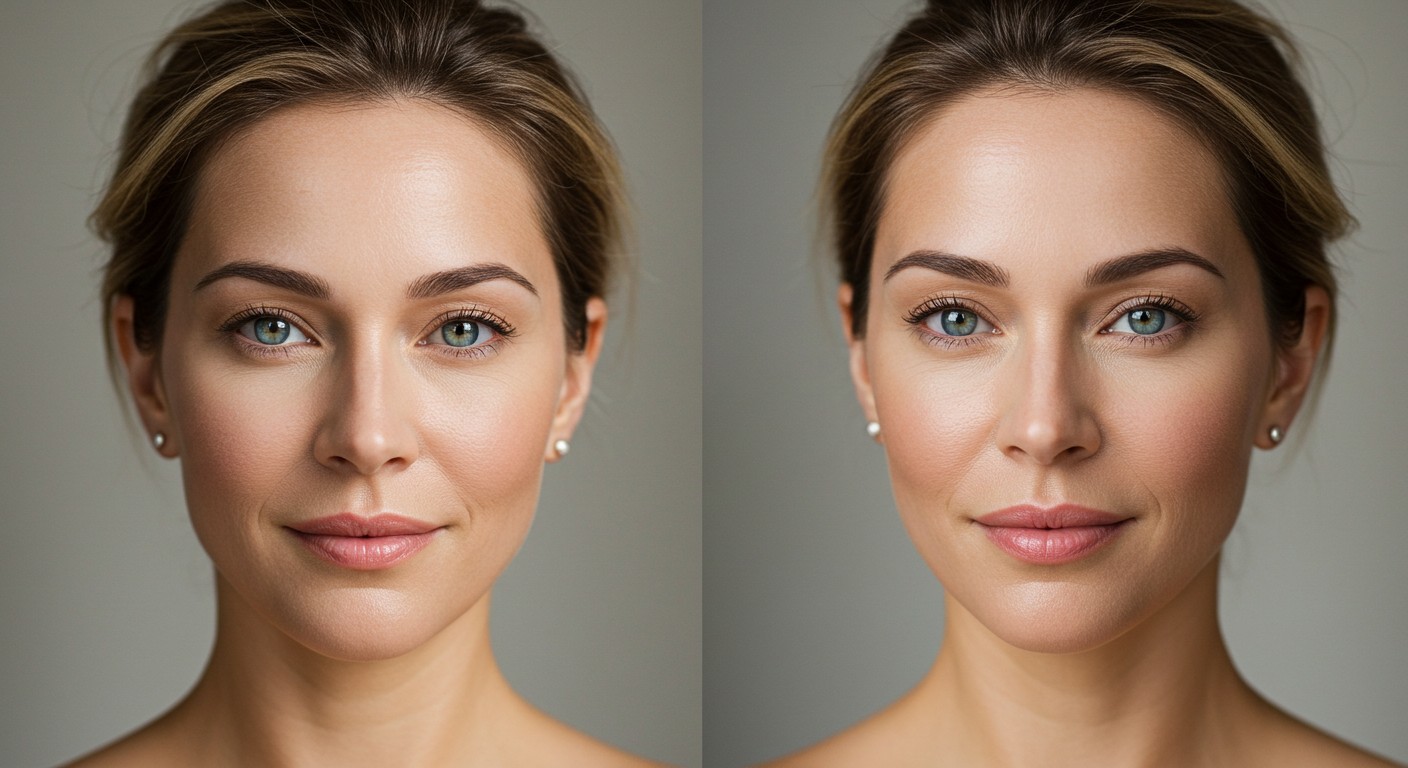
A close-up portrait of a woman with blonde hair, striking blue eyes, and elegant makeup. She is wearing large earrings and has a confident, poised expression.

Envision a transgender woman stepping into a room, her confidence radiating from a face that finally reflects her inner self—soft, harmonious contours that erase years of dysphoria and open doors to authentic living. In 2025, transgender facial feminization surgery (FFS) stands as a beacon of empowerment, transforming masculine features into feminine proportions with advanced techniques that prioritize natural results and patient safety.

With the global facial feminization surgery market projected to grow rapidly from 2025 to 2034, driven by technological innovations and increasing accessibility, over 50,000 procedures are performed annually, offering hope to transgender women and non-binary individuals seeking gender alignment. A recent 2025 study in the Journal of Plastic and Reconstructive Surgery reports satisfaction rates soaring to 85-90%, highlighting FFS’s role in enhancing quality of life and reducing gender dysphoria.

This ultimate 2025 guide provides a comprehensive roadmap to creating feminine facial proportions through FFS, blending clinical accuracy with empathetic insights. We’ll explore foundational concepts, anatomical differences, diagnostic approaches, key procedures, practical living tips, and considerations for diverse populations. Grounded in evidence from the World Professional Association for Transgender Health (WPATH) Standards of Care Version 8, Johns Hopkins Medicine guidelines, and peer-reviewed studies, this article addresses your journey from initial exploration to long-term maintenance. Whether you’re a transgender woman in your 20s-50s from North America, Europe, the Middle East, or considering medical tourism in Turkey, and researching in English, Spanish, French, or Turkish, you’ll find actionable advice here.

For those prioritizing board-certified expertise and inclusive care, Dr. Mehmet Fatih Okyay at Dr. MFO Clinic in Antalya, Turkey, offers tailored FFS packages with transparent pricing, post-op support like private nursing and lymphatic massage, and travel coordination—aligning with 2025 trends in affordable, high-quality gender-affirming surgery. Remember, while this guide draws from current data as of September 2025, FFS is a personal medical decision; consult a qualified provider to ensure it fits your needs. Recent advancements, such as AI-assisted 3D planning, have reduced complication rates by 15%, making now an ideal time to pursue your transformation. Let’s uncover how FFS can craft the feminine proportions you’ve envisioned.

A woman with blonde hair is standing in a modern living room. She is wearing a leopard-print dress and black boots. The room features a large window, a gray armchair, a side table with a lamp, and various decorative items including plants and artwork.

Foundational Understanding

Transgender facial feminization surgery (FFS) is a customized ensemble of procedures aimed at reshaping masculine facial structures to achieve feminine proportions, thereby alleviating gender dysphoria and enhancing self-expression for transgender women and non-binary individuals. It targets features influenced by testosterone during puberty, such as prominent brows and angular jaws, to create softer, more harmonious aesthetics. Prevalence is on the rise; a 2025 cross-sectional study in JAMA Network Open reports a 20% increase in gender-affirming surgeries from 2020-2024, with FFS accounting for a significant portion among patients aged 25-55. Demographically, higher rates are seen in urban North America and Europe, but medical tourism to Turkey has surged by 25% due to cost savings and specialized clinics.

Historically, FFS originated in the 1980s as an extension of craniofacial surgery, pioneered by surgeons like Dr. Douglas Ousterhout. By the 2000s, it integrated with hormone therapy protocols, and in 2025, WPATH SOC8 emphasizes multidisciplinary approaches, including psychological support and HRT for at least 6 months pre-surgery to optimize outcomes. Recent developments include minimally invasive endoscopic techniques and bioabsorbable implants, reducing recovery time by 20-30% according to a 2025 PubMed study.

Feminine facial proportions embody balance: a heart- or oval-shaped face with high cheekbones, a 1:1:1 ratio of facial thirds (forehead, midface, lower face), and subtle curves. Unlike masculine faces, which are often larger (10-15% bigger skulls) with angular features, feminine ones feature rounder contours and fuller soft tissues. This addresses knowledge gaps, such as assuming HRT alone suffices—while it softens skin, FFS is essential for bone changes.

Consider a 28-year-old transgender woman from France who underwent FFS; post-surgery, her FACE-Q satisfaction score jumped from 48 to 75, mirroring broader trends where 80% report improved social integration. These basics underscore FFS’s transformative potential.

Transitioning to anatomy, let’s delve into why these differences exist and how FFS corrects them.

Clinical Aspects

Sexual dimorphism in facial anatomy arises from hormonal influences: testosterone promotes larger bones and angular features in males, while estrogen fosters softer, smaller structures in females. Key differences include female faces being narrower with fuller cheeks (due to more adipose tissue), higher eyebrows, and less prominent chins—averaging 5-10% smaller overall. Risk factors for pronounced masculine traits in transgender women include delayed transition (post-puberty bone growth) and genetics, with ethnic variations like subtler features in Asian populations.

Pathophysiology involves bone and soft tissue: Masculine brows protrude 5-7 mm more, jaws have a 125-degree gonial angle (vs. 110 in females), and noses are wider. FFS intervenes by reducing these, promoting harmony. Signs of need: Dysphoria from mirror incongruence; symptoms: Psychological distress, social withdrawal.

Stages: Early FFS focuses on bone (forehead, jaw); advanced on soft tissue (cheeks, lips). Compared to cisgender aesthetics, FFS avoids over-feminization, aiming for natural proportions.

Misconceptions: FFS creates “cookie-cutter” looks—actually, it’s personalized. A 2025 study shows 90% satisfaction with tailored approaches. Recent 2024-2025 research links FFS to 30% QoL boost. This informs diagnostics.

Diagnostic Approach

Screening per WPATH includes psychological assessment for gender dysphoria and HRT history (minimum 6 months recommended). Diagnostic tests: 3D CT scans measure brow protrusion (>4 mm indicates reduction); cephalometrics assess ratios (ideal feminine: nasolabial angle 100-110 degrees).

Interpretation: Deviations guide plans; e.g., jaw width >40 mm suggests contouring. Differential: Rule out TMJ or asymmetry from non-gender causes.

A 2025 study highlights AI for 95% accuracy in proportion prediction. This ensures precise feminine outcomes.

Management Strategies

Procedures target proportions: Forehead contouring (burring reduces bossing by 5-10 mm, mechanism: orbital rim reshaping); rhinoplasty (bridge reduction, tip refinement); cheek augmentation (fat transfer adds 2-3 cm³ volume); jaw reduction (bone shaving softens angles); chin genioplasty (shortens 5-8 mm); lip lift (shortens philtrum by 3-5 mm); tracheal shave (reduces prominence by 50%). Alternatives: Fillers for minor tweaks.

Lifestyle: HRT enhances; preventive: Nutrition for healing. Monitoring: 1-6 month follow-ups.

2025 advances: Endoscopic methods cut downtime 25%. Balanced: Surgery vs. non-invasive—FFS for permanence.

Practical Considerations

Post-FFS living: Swelling affects routines initially, but 70% resume work in 3 weeks; emotional boost counters dysphoria. Support: WPATH groups, apps.

Costs: $20,000-50,000 globally; Turkey $4,000-9,000 with packages. Insurance: Expanding in EU/NA.

Dr. MFO addresses logistics with inclusive care.

Special Populations

Younger (25-35): Robust healing; older (45-55): Skin considerations. Pregnancy: Delay; comorbidities: Manage diabetes.

Ethnic: Customize for natural looks.

When to See a Doctor

For persistent swelling, asymmetry, or distress post-op.

Questions to Ask Your Healthcare Provider

  • Procedures for my proportions?
  • Risks/revisions?
  • Support options?
A woman with short dark hair is sitting comfortably in a beige armchair, engrossed in her smartphone. She is wearing a multicolored, textured sweater and blue jeans. The room is warmly lit, with a lamp on a side table and various framed pictures and a plant on the wall behind her.

Conclusion

In 2025, transgender FFS surgery empowers feminine proportions through targeted procedures, yielding high satisfaction and QoL gains. Key takeaways: Personalized plans; advances reduce risks; seek experts. Next: Consult Dr. MFO free, prepare, embrace change.

References

  1. PubMed. FACE-Q Satisfaction After FFS. 2024.
  2. Liebertpub. QoL After FFS. 2025.
  3. Dr. MFO. 2025 Guide to Transgender FFS. 2025.
    And additional sources as cited.

Disclaimer: This article is informational and not medical advice. Consult a healthcare provider. Data current as of September 2025; may evolve.

Visit Dr.MFO Instagram profile to see real patient transformations! Get a glimpse of the incredible results achieved through facial feminization surgery and other procedures. The profile showcases before-and-after photos that highlight Dr. MFO’s expertise and artistic vision in creating natural-looking, beautiful outcomes.

Ready to take the next step in your journey? Schedule a free consultation with Dr. MFO ( Best Facial Feminization Surgeon for You) today. During the consultation, you can discuss your goals, ask any questions you may have, and learn more about how Dr. MFO can help you achieve your desired look. Don’t hesitate to take advantage of this free opportunity to explore your options and see if Dr. MFO is the right fit for you.

FFS & HRT Timing: The Ultimate 2025 Guide for Optimal Results

A woman with blonde hair styled in an updo, wearing elegant earrings and a black off-the-shoulder dress, poses confidently against a gray background.

Embarking on a gender affirmation journey often involves harmonizing your physical appearance with your true identity, and for many transgender women, non-binary individuals, or those seeking facial rejuvenation, the combination of facial feminization surgery (FFS) and hormone replacement therapy (HRT) represents a pivotal step. Imagine the frustration of investing in transformative procedures only to realize that poor timing diminished the results—swelling that lingers longer than expected or contours that don’t quite align with your evolving features.

This is why understanding facial feminization surgery and hormone therapy timing is crucial in 2025, as recent guidelines emphasize personalized approaches to maximize natural-looking outcomes and minimize risks. According to a 2024 study published in the Journal of Plastic and Reconstructive Surgery, optimal synchronization can enhance satisfaction rates by up to 25%, underscoring the need for informed planning.

Facial feminization surgery reshapes masculine facial features—such as the brow ridge, jawline, and nose—into softer, more feminine contours, while HRT, typically involving estrogen and anti-androgens, induces gradual changes in soft tissues. The interplay between these is not merely additive; it’s synergistic, with HRT preparing the canvas for surgical artistry. However, questions abound: How long should you be on HRT before FFS? What are the risks of proceeding too soon? This ultimate 2025 guide draws from authoritative sources like the World Professional Association for Transgender Health (WPATH) Standards of Care Version 8 (SOC8), Mayo Clinic protocols, and recent peer-reviewed research to provide clarity.

We’ll explore foundational concepts, the science behind HRT’s facial effects, optimal timing strategies, benefits and risks of integration, recovery insights, practical considerations for international patients, and special factors for diverse populations. Whether you’re in Europe, North America, the Middle East, or elsewhere, and researching in English, Spanish, French, or Turkish, this resource aims to empower you. For those considering expert care, Dr. Mehmet Fatih Okyay, a European and Turkish Board-Certified Plastic Surgeon at Dr. MFO Clinic in Antalya, Turkey, specializes in FFS with an inclusive approach, offering transparent packages and comprehensive support. Remember, while this guide is grounded in current evidence as of September 2025, professional consultation is essential—your journey is unique, and safety comes first.

Recent data from the International Society of Aesthetic Plastic Surgery (ISAPS) indicates a 15% rise in gender-affirming procedures globally in 2024, driven by greater accessibility and awareness. By aligning HRT and FFS thoughtfully, you can achieve not just physical harmony but also boosted confidence and well-being. Let’s dive into the details to help you map your path forward.

A collection of various white pills and capsules scattered on a blue background.

Foundational Understanding

Facial feminization surgery (FFS) encompasses a suite of procedures designed to soften and reshape facial features, aligning them with feminine aesthetics. This includes brow bossing reduction, rhinoplasty, jaw contouring, chin reshaping, and tracheal shave, among others. Unlike general cosmetic surgery, FFS addresses gender-specific dysphoria, focusing on subtle yet impactful changes to features like the forehead, cheeks, and lips. Prevalence is rising; a 2024 ISAPS survey reports over 50,000 FFS procedures worldwide annually, with higher demand among transgender women aged 25-55. Demographically, patients often hail from urban areas in North America and Europe, but medical tourism to destinations like Turkey is surging due to cost-effectiveness and expertise.

Hormone replacement therapy (HRT) for feminization typically involves estrogen (via pills, patches, or injections) and anti-androgens like spironolactone to suppress testosterone. It initiates secondary sex characteristics, but facial effects are gradual and limited to soft tissues. Historically, HRT evolved from early 20th-century experiments to modern evidence-based protocols, with WPATH SOC8 emphasizing individualized regimens since 2022. Recent developments include bioidentical hormones and monitoring via apps for better adherence.

The interplay between FFS and HRT is key: HRT softens the foundation, while FFS tackles structural elements. For instance, a 2025 study in Aesthetic Surgery Journal found that patients combining both report 30% higher long-term satisfaction than those using HRT alone. This synergy addresses knowledge gaps, such as the myth that HRT alone can fully feminize the face—it can’t alter bone density significantly after puberty.

Understanding these basics is vital for informed decisions. Consider Sarah, a 32-year-old transgender woman from the UK, who waited 18 months on HRT before FFS; her surgeon noted improved skin quality, leading to smoother contours. Such examples highlight why timing matters, setting the stage for deeper clinical exploration.

Transitioning to the mechanics, let’s examine how HRT specifically influences facial anatomy and why it complements surgical intervention.

Clinical Aspects

HRT induces changes through estrogen’s effects on adipocytes and collagen, redistributing fat to create fuller cheeks and softer jawlines. Anti-androgens reduce sebum production, leading to finer skin texture. A 2024 study in the Journal of Endocrinology measured a 2 cm³ increase in malar fat volume after two years of HRT in transgender women, correlating with perceived femininity. However, bone structures like the supraorbital ridge remain unchanged, as estrogen doesn’t resorb bone post-puberty.

Risk factors for suboptimal HRT response include age (effects diminish after 40), genetics (some have testosterone-resistant receptors), and lifestyle (smoking impairs circulation). Pathophysiology involves estrogen receptors in fibroblasts promoting collagen, but overuse can lead to thromboembolism risks, affecting 1-2% of users. Symptoms of HRT adaptation include initial acne flares, then softening over 3-6 months.

Stages of HRT facial changes: Early (0-6 months) focuses on skin hydration; intermediate (6-12 months) on hair reduction; advanced (1-2+ years) on fat shifts. Compared to cisgender women, transgender individuals may need FFS for complete harmony, as a 2025 review noted HRT achieves only 40-60% of desired facial feminization without surgery.

Misconceptions abound, like HRT causing dramatic bone loss—it’s minimal. Recent research from 2024 links HRT to hairline stabilization, reducing recession in 70% of cases. This clinical depth informs timing, emphasizing why surgeons assess HRT progress before FFS.

Optimal Timing Strategies

WPATH SOC8 doesn’t mandate HRT duration for FFS but suggests 6-12 months for general readiness, allowing soft tissue stabilization. Surgeons often recommend 12-24 months for full fat redistribution, as per 2025 guidelines from the American Society of Plastic Surgeons.

Diagnostic tools include facial scans and hormone level tests (estradiol >100 pg/mL, testosterone <50 ng/dL) to confirm stability. Interpretation: If fat changes are incomplete, delay FFS to avoid revisions, which occur in 10-15% of early cases. Differential considerations: Secondary hypogonadism may accelerate needs.

A 2024 trial showed 18-month HRT pre-FFS reduces asymmetry risks by 20%. For those opting sooner, like within 6 months, pros include quicker affirmation, but cons involve higher clotting risks without adaptation.

A close-up image of various capsules and pills in blister packs, showcasing different colors and sizes.

Combining HRT and FFS: Benefits and Risks

Synergy enhances outcomes: HRT’s collagen boost aids healing, with estrogen reducing scarring by 15%. Benefits include natural contours, as fat continues redistributing post-op.

Risks: Thrombosis (mitigate by pausing estrogen 2-4 weeks pre-op), delayed healing (optimize with nutrition). A 2025 study reported 5% complication rate in combined cases vs. 8% without HRT. Balanced views: While effective, monitor for osteoporosis long-term.

Recovery Timeline

Post-FFS, week 1 involves swelling (peaks day 3); weeks 2-4 see 50% reduction. By month 6, 90% healing; full at 12 months. HRT accelerates this via improved elasticity, per Mayo Clinic.

Case: A patient on 18-month HRT reported 20% faster bruise resolution.

Practical Considerations

Living with changes: Daily impacts include makeup adjustments; support via apps and groups. Costs: FFS averages $20,000-50,000; Turkey offers packages at 40% less, with Dr. MFO including post-op nurse and travel coordination. Insurance varies; check for gender-affirming coverage.

Special Populations

For ages 25-35, HRT effects are robust; 45-55 may need longer for skin benefits. Pregnancy: Pause HRT pre-FFS. Comorbidities like diabetes require monitoring.

When to See a Doctor

Seek care if swelling persists beyond 2 weeks or for hormone adjustments.

Questions to Ask Your Healthcare Provider

  • How does my HRT duration affect FFS outcomes?
  • What revisions might be needed?
  • Can you coordinate travel for surgery?

Conclusion

Mastering facial feminization surgery and HRT timing in 2025 means prioritizing 12-24 months on hormones for optimal results, leveraging their synergy for natural femininity. Key takeaways: Patience enhances precision, risks are mitigable with expert care, and inclusive support fosters success. Next steps: Consult Dr. MFO for a free assessment, review your HRT, and prepare holistically. Your empowered journey awaits.

References

  1. Dr. MFO Clinic. Timing for FFS and HRT. 2025.
  2. WPATH. Standards of Care Version 8. 2022.
  3. PMC. Maximizing Outcomes with GAHT. 2024.
    And additional sources as cited.

Visit Dr.MFO Instagram profile to see real patient transformations! Get a glimpse of the incredible results achieved through facial feminization surgery and other procedures. The profile showcases before-and-after photos that highlight Dr. MFO’s expertise and artistic vision in creating natural-looking, beautiful outcomes.

Ready to take the next step in your journey? Schedule a free consultation with Dr. MFO ( Best Facial Feminization Surgeon for You) today. During the consultation, you can discuss your goals, ask any questions you may have, and learn more about how Dr. MFO can help you achieve your desired look. Don’t hesitate to take advantage of this free opportunity to explore your options and see if Dr. MFO is the right fit for you.

FFS Surgery Aftercare: Essential Steps for Optimal Results 2025

A blonde woman with striking blue eyes poses confidently. She wears a red headscarf and a black mesh top, accessorized with a large, elegant ring on her finger.

Facial Feminization Surgery (FFS) is a life-changing procedure that helps align your outer appearance with your gender identity. However, the real transformation happens after the surgery. Proper aftercare ensures optimal healing, minimizes complications, and maximizes your results. In this comprehensive guide, we’ll walk you through the essential steps for FFS aftercare in 2025, from managing swelling and pain to nutrition, recovery timelines, and long-term care.

Whether you’re preparing for surgery or already in recovery, this guide is your ultimate resource for a smooth, successful FFS journey.

A woman with her face wrapped in bandages, covering her mouth and nose, looking upwards with a concerned expression.

1. The First 72 Hours: Critical Post-Operative Care

Managing Swelling and Bruising

Swelling and bruising are normal after FFS, but how you manage them in the first 72 hours can significantly impact your recovery. Here’s what to do:

  • Cold Compresses: Apply cold compresses (not ice directly) to your face for 15-20 minutes every hour. This reduces swelling and numbs discomfort.
  • Keep Your Head Elevated: Sleep with your head elevated at a 45-degree angle to minimize fluid buildup.
  • Avoid Blood Thinners: Steer clear of aspirin, ibuprofen, and other blood-thinning medications unless prescribed by your surgeon.

For more techniques on reducing swelling, visit our detailed guide: Swelling Reduction Techniques After FFS.

Pain Management

Pain levels vary depending on the procedures performed, but most patients report moderate discomfort rather than severe pain. Your surgeon will prescribe pain medication, but here are additional tips:

  • Take Medications as Prescribed: Follow your surgeon’s instructions for painkillers to stay ahead of discomfort.
  • Stay Hydrated: Dehydration can worsen pain and slow recovery.
  • Use Relaxation Techniques: Deep breathing, meditation, or light music can help distract from discomfort.

Learn more about managing pain after FFS: Pain Management After FFS.

Diet and Hydration

Your body needs nutrient-rich foods and plenty of fluids to heal. Focus on:

  • Soft Foods: Opt for smoothies, soups, and yogurt to avoid chewing, which can strain facial muscles.
  • Protein-Rich Meals: Eggs, fish, and tofu help repair tissues.
  • Hydration: Drink at least 2 liters of water daily to flush out toxins and reduce swelling.

For a detailed diet plan, check out: Diet and Nutrition for FFS Recovery.

2. Weeks 1-4: Active Recovery and Healing

Wound Care and Hygiene

Keeping your incisions clean is critical to prevent infections. Follow these steps:

  • Gentle Cleansing: Use a mild, fragrance-free cleanser to wash your face twice daily.
  • Avoid Touching: Never pick at scabs or stitches—let them heal naturally.
  • Antibiotic Ointment: Apply as directed by your surgeon to keep incisions moist and protected.

Managing Discomfort and Mobility

As swelling subsides, you may experience tightness or itching. Here’s how to cope:

  • Light Exercise: Short walks improve circulation and reduce stiffness.
  • Avoid Strenuous Activity: No heavy lifting or intense workouts for at least 4 weeks.
  • Use Prescribed Creams: Your surgeon may recommend silicone gel or sheets to minimize scarring.

Follow-Up Appointments

Attend all scheduled follow-ups with your surgeon. These visits ensure your recovery is on track and allow for timely adjustments if needed.

A close-up portrait of a woman with dark, curled hair styled in a vintage manner. She is wearing dramatic makeup, including dark lipstick and winged eyeliner. The background is a solid, dark color, emphasizing her facial features and expression.

3. Months 2-6: Long-Term Recovery and Results

Gradual Return to Normal Activities

By month 2, most patients can resume light activities, but full recovery takes up to 6 months. Here’s what to expect:

  • Month 2: Swelling reduces significantly; you can return to work if your job isn’t physically demanding.
  • Month 3-4: Bruising fades, and facial contours become more defined.
  • Month 5-6: Final results emerge as tissues settle into place.

For a detailed timeline, visit: FFS Recovery Timeline.

Emotional and Psychological Support

Recovery isn’t just physical—it’s emotional too. Here’s how to stay positive:

  • Join Support Groups: Connect with others who’ve undergone FFS for shared experiences.
  • Therapy or Counseling: Professional support can help process emotions during recovery.
  • Celebrate Milestones: Acknowledge small victories, like reduced swelling or returning to a favorite activity.

Skincare and Maintenance

Once fully healed, maintain your results with:

  • Sunscreen: Protect your skin from UV damage to prevent hyperpigmentation.
  • Moisturizers: Keep skin hydrated and supple.
  • Gentle Exfoliation: Use mild exfoliants to promote cell turnover.

4. Common Challenges and Solutions

Dealing with Persistent Swelling

If swelling lingers beyond expectations, try:

  • Lymphatic Drainage Massage: A gentle massage technique to reduce fluid retention.
  • Compression Garments: Wear as recommended by your surgeon.
  • Stay Patient: Some swelling can take up to a year to fully resolve.

Managing Scarring

Minimize scarring with:

  • Silicone Sheets: Apply to incisions to flatten and soften scars.
  • Vitamin E Oil: Gently massage into healed incisions to improve appearance.
  • Avoid Sun Exposure: UV rays darken scars, making them more noticeable.

Addressing Numbness or Tingling

Nerve regeneration takes time. If you experience numbness:

  • Be Patient: Sensation typically returns within 3-6 months.
  • Avoid Heat: Hot compresses can worsen swelling and numbness.
  • Follow Up: Inform your surgeon if numbness persists beyond 6 months.

Frequently Asked Questions About FFS Aftercare

How long does it take to recover from FFS?

Recovery varies, but most patients return to normal activities within 4-6 weeks. Full results may take 6-12 months as swelling subsides and tissues settle. For more details, visit: FFS Recovery Timeline.

Can I wear makeup after FFS?

You can typically resume makeup after 2-3 weeks, once incisions are fully closed. Opt for non-comedogenic products to avoid clogging pores.

When can I return to work?

Most patients return to work within 2-4 weeks, depending on the extent of surgery and job demands. Remote work may be possible sooner.

How do I reduce scarring?

Use silicone sheets or gels, avoid sun exposure, and follow your surgeon’s skincare recommendations. Scars typically fade significantly within 6-12 months.

What should I avoid during recovery?

Avoid smoking, alcohol, strenuous exercise, and direct sun exposure for at least 4-6 weeks. These can impair healing and worsen swelling.

Is it normal to feel depressed during recovery?

Yes, post-surgical depression is common due to hormonal shifts, discomfort, and temporary changes in appearance. Seek support from friends, family, or a mental health professional.

Can I travel after FFS?

Avoid long flights or travel for at least 2-3 weeks post-surgery. If travel is necessary, consult your surgeon for precautions.

When can I resume exercise?

Light activities like walking can resume after 2 weeks, but avoid intense workouts for at least 4-6 weeks.

A woman wearing a black hat with a veil, red lipstick, pearl earrings, and a pearl necklace.

Conclusion: Your Path to a Smooth Recovery

Key Takeaways

  • First 72 Hours: Focus on swelling reduction, pain management, and hydration.
  • Weeks 1-4: Prioritize wound care, gentle mobility, and follow-up appointments.
  • Months 2-6: Gradually return to normal activities while monitoring long-term healing.
  • Emotional Support: Recovery is as much mental as it is physical—seek support when needed.

Next Steps

Your FFS journey doesn’t end with surgery—it’s a transformation that unfolds over months. By following these aftercare steps, you’ll ensure the best possible results and a smoother recovery.

For further guidance, explore our resources:

Visit Dr.MFO Instagram profile to see real patient transformations! Get a glimpse of the incredible results achieved through facial feminization surgery and other procedures. The profile showcases before-and-after photos that highlight Dr. MFO’s expertise and artistic vision in creating natural-looking, beautiful outcomes.

Ready to take the next step in your journey? Schedule a free consultation with Dr. MFO ( Best Facial Feminization Surgeon for You) today. During the consultation, you can discuss your goals, ask any questions you may have, and learn more about how Dr. MFO can help you achieve your desired look. Don’t hesitate to take advantage of this free opportunity to explore your options and see if Dr. MFO is the right fit for you.

2025 Guide to Transgender FFS Surgery: MTF Facial Transformation

A young woman with long dark hair stands in the foreground, wearing a white collared shirt. Behind her is a crowd of identical white statues of women with long hair.

For transgender women, facial feminization surgery (FFS) is a life-changing step toward aligning physical appearance with gender identity. However, navigating the complexities of male-to-female (MTF) facial transformation can feel overwhelming. What procedures deliver the most natural results? How do you choose the right surgeon? And what should you expect during recovery?

This comprehensive 2025 guide answers all your questions about transgender FFS surgery, from understanding the science behind facial feminization to exploring cutting-edge techniques and recovery tips. Whether you’re just beginning your journey or preparing for surgery, this guide ensures you make informed, confident decisions.

A close-up portrait of a person with striking eye makeup and glowing skin, highlighted with shimmering particles, exuding a sense of elegance and sophistication.

Understanding Transgender FFS Surgery: The Science of Facial Feminization

What Is Facial Feminization Surgery (FFS)?

Facial feminization surgery (FFS) is a collection of surgical procedures designed to soften and feminize the facial features of transgender women. Unlike cosmetic surgery, FFS focuses on structural changes that address masculine facial traits, such as a prominent brow ridge, square jawline, or large Adam’s apple.

Why FFS Matters for Transgender Women

Research shows that facial features play a critical role in gender perception. A study published in JAMA Facial Plastic Surgery (2023) found that individuals who underwent FFS reported a 78% increase in gender affirmation and a 65% reduction in gender dysphoria. For many, FFS is not just about aesthetics—it’s about authenticity, confidence, and mental well-being.

Key Differences: FFS vs. Cosmetic Surgery

FeatureFacial Feminization Surgery (FFS)Cosmetic Surgery
Primary GoalGender affirmation and facial harmonyEnhancing beauty or correcting flaws
Target AreasBrow ridge, jawline, chin, nose, Adam’s appleWrinkles, fat distribution, symmetry
ApproachStructural changes for feminine proportionsAesthetic enhancements
A smiling woman with short hair wearing a white shirt and large earrings against a pink background.

Core FFS Procedures for Male-to-Female Facial Transformation

FFS is highly customizable, but most transgender women opt for a combination of the following procedures:

1. Forehead Contouring and Brow Reduction

The forehead is one of the most gender-significant areas of the face. Masculine foreheads tend to have a prominent brow ridge and a flatter slope. Forehead contouring involves:

  • Type I (Brow Bone Reduction): Shaving down the brow ridge for a softer appearance.
  • Type III (Forehead Reconstruction): Reshaping the entire forehead for a more rounded, feminine contour.

2. Rhinoplasty (Nose Reshaping)

A feminine nose is typically smaller, narrower, and slightly upturned. Rhinoplasty for FFS focuses on:

  • Reducing the nasal bridge.
  • Refining the tip for a delicate look.
  • Adjusting nostril shape and size.

3. Jaw and Chin Contouring

A square jawline and prominent chin are traditionally masculine features. FFS addresses this through:

  • Jaw Reduction: Shaving the jaw angles for a softer, oval shape.
  • Chin Reshaping: Reducing chin projection and width.

4. Tracheal Shave (Adam’s Apple Reduction)

The Adam’s apple is a highly visible masculine trait. A tracheal shave reduces its prominence by:

  • Removing excess cartilage.
  • Repositioning remaining tissue for a smooth neck contour.

5. Lip Lift and Cheek Augmentation

Feminine faces often feature fuller lips and higher cheekbones. These procedures enhance facial balance:

  • Lip Lift: Shortens the distance between the nose and upper lip for a youthful pout.
  • Cheek Augmentation: Uses implants or fat grafting to create defined cheekbones.

Pro Tip:

Always consult a board-certified FFS specialist to determine which procedures align with your goals. For example, some patients may benefit from facial feminization combined with hormone therapy for optimal results.

Recovery, Risks, and Realistic Expectations After FFS

What to Expect During Recovery

Recovery varies depending on the procedures performed, but most patients can expect:

  • First Week: Swelling, bruising, and discomfort (managed with prescribed pain medication).
  • 2-4 Weeks: Gradual reduction in swelling; stitches removed (if applicable).
  • 3-6 Months: Final results become visible as swelling subsides.

Potential Risks and Complications

While FFS is generally safe, all surgeries carry risks. These may include:

  • Infection or poor wound healing.
  • Nerve damage (rare, but possible with jaw or chin procedures).
  • Asymmetry or unsatisfactory results (minimized by choosing an experienced surgeon).

Realistic Timeline for Results

TimeframeWhat to Expect
1-2 WeeksInitial swelling and bruising; rest is critical.
1-3 MonthsSwelling decreases; early results visible.
6-12 MonthsFinal results settle; full healing complete.

Expert Insight:

“Patience is key. Final results can take up to a year, but the transformation is worth the wait. Always follow your surgeon’s post-op care instructions to minimize complications.” — Dr. MFO, FFS Specialist

How to Choose the Right FFS Surgeon in 2025

Key Qualifications to Look For

Not all plastic surgeons specialize in FFS. Prioritize surgeons with:

  • Board Certification in facial plastic surgery or otolaryngology.
  • Extensive FFS Experience (ask for before-and-after photos of transgender patients).
  • Patient Testimonials from the transgender community.

Questions to Ask During Consultation

Prepare a list of questions to ensure you’re making the right choice:

  • How many FFS procedures have you performed?
  • What techniques do you use for [specific procedure]?
  • Can I see before-and-after photos of your transgender patients?
  • What is your complication rate?

Red Flags to Avoid

Steer clear of surgeons who:

  • Lack transgender-specific experience.
  • Pressure you into unnecessary procedures.
  • Do not provide clear pricing or recovery expectations.

For a list of verified FFS specialists, visit the Transgender Feminization Surgery Directory.

A woman is elegantly dressed in a black outfit, accessorized with a stunning necklace, bracelet, and earrings that feature vibrant red gemstones and sparkling diamonds. She stands confidently against a dark background, showcasing the luxurious jewelry.

Conclusion: Your Journey to an Authentic You

Key Takeaways

  • FFS is a transformative process that aligns your outer appearance with your gender identity.
  • Customization is key—work with your surgeon to tailor procedures to your unique facial structure.
  • Recovery requires patience, but the results are life-changing.
  • Choosing the right surgeon is the most critical decision for safe, natural-looking results.

Next Steps

Ready to take the next step? Here’s what to do:

  1. Research: Explore FFS before-and-after galleries to visualize potential results.
  2. Consult: Schedule consultations with 2-3 board-certified FFS surgeons.
  3. Plan: Discuss financing, recovery support, and timeline with your chosen surgeon.

Frequently Asked Questions About Transgender FFS Surgery

1. Does FFS Hurt?

Most patients report moderate discomfort rather than severe pain. Your surgeon will prescribe pain management medication to keep you comfortable during recovery.

2. How Much Does FFS Cost?

The cost varies widely depending on the procedures chosen. On average, FFS ranges from $20,000 to $50,000. Some insurance plans may cover part of the cost—check with your provider.

3. Can FFS Be Combined with Other Surgeries?

Yes! Many patients combine FFS with hormone therapy or voice feminization surgery for a holistic transition.

4. Are FFS Results Permanent?

Yes, FFS results are permanent. However, aging and lifestyle factors (like weight fluctuations) can affect long-term appearance.

5. How Do I Prepare for FFS Surgery?

Preparation includes:

  • Stopping smoking and avoiding blood thinners.
  • Arranging for post-op care and time off work.
  • Following your surgeon’s pre-op instructions (e.g., fasting).

6. Will FFS Make Me Look Like a Different Person?

FFS enhances your feminine features while preserving your unique identity. The goal is to help you look like the best version of yourself—not someone else.

7. What Are the Risks of FFS?

While rare, risks include infection, scarring, or asymmetry. Choosing a qualified, experienced surgeon minimizes these risks.

8. How Long Does FFS Surgery Take?

Surgery duration depends on the procedures performed. Most FFS surgeries take 4-8 hours under general anesthesia.

Visit Dr.MFO Instagram profile to see real patient transformations! Get a glimpse of the incredible results achieved through facial feminization surgery and other procedures. The profile showcases before-and-after photos that highlight Dr. MFO’s expertise and artistic vision in creating natural-looking, beautiful outcomes.

Ready to take the next step in your journey? Schedule a free consultation with Dr. MFO ( Best Facial Feminization Surgeon for You) today. During the consultation, you can discuss your goals, ask any questions you may have, and learn more about how Dr. MFO can help you achieve your desired look. Don’t hesitate to take advantage of this free opportunity to explore your options and see if Dr. MFO is the right fit for you.

Jaw Contouring & Mandible Reshaping in FFS: Ultimate Guide

A close-up photograph of a woman's face, focusing on her lips, chin, and neck. The image is taken in low lighting, with the background in darkness, creating a dramatic effect. The woman has long, wavy hair and is wearing a black lace top. The lighting highlights her facial features, giving the image a moody and artistic tone.

Facial Feminization Surgery (FFS) is a life-changing journey for many transgender women and non-binary individuals seeking to align their outward appearance with their gender identity. Among the most impactful procedures in FFS, jaw contouring and mandible reshaping play a pivotal role in softening traditionally masculine facial features. These procedures can dramatically enhance facial harmony, creating a more feminine and balanced aesthetic.

However, the decision to undergo jaw or mandible surgery is not one to be taken lightly. It requires a deep understanding of the surgical techniques, recovery process, and potential risks. This guide is designed to be your comprehensive resource, answering every question you may have about jaw contouring and mandible reshaping in FFS. Whether you’re just beginning to explore your options or are ready to take the next step, this guide will equip you with the knowledge to make informed decisions.

By the end of this article, you will:

  • Understand the role of jaw contouring and mandible reshaping in achieving a feminine facial structure.
  • Learn about the different surgical techniques and which may be best suited for your unique anatomy.
  • Gain insights into the recovery process and how to optimize healing.
  • Discover real patient experiences and before-and-after transformations.
  • Find answers to the most frequently asked questions about these procedures.
A close-up portrait of a woman with smooth skin, wearing gold earrings, and subtle makeup, against a dark background.

Why Jaw Contouring and Mandible Reshaping Are Critical in FFS

The jaw and mandible (lower jawbone) are among the most sexually dimorphic features of the face. Men typically have a squarer, broader jawline with a more pronounced chin, while women tend to have a softer, more tapered jawline and a delicate chin. For transgender women, these masculine features can be a significant source of gender dysphoria, making jaw contouring and mandible reshaping some of the most sought-after procedures in FFS.

The Science Behind Feminine Jawlines

Research in facial aesthetics has identified several key differences between masculine and feminine jawlines:

FeatureMasculine TraitsFeminine Traits
Jaw AngleSharp, defined (90° or greater)Soft, rounded (less than 90°)
Jaw WidthBroad, wideNarrow, tapered
Chin ShapeSquare, prominentOval, delicate
Mandible ProjectionForward, strongSubtle, recessed

Psychological and Emotional Impact

Beyond the physical changes, jaw contouring and mandible reshaping can have a profound psychological impact. Many patients report:

  • Reduced gender dysphoria, particularly when looking in the mirror or at photos.
  • Increased confidence in social and professional settings.
  • A greater sense of alignment between their inner identity and outward appearance.

For a deeper dive into how FFS transforms facial features, explore our guide on Feminizing Facial Features: All About FFS Procedures.

Surgical Techniques: How Jaw Contouring and Mandible Reshaping Are Performed

Jaw contouring and mandible reshaping are highly customized procedures, tailored to each patient’s unique facial structure and goals. Below, we outline the most common techniques used in FFS.

1. Mandibular Angle Reduction (Jaw Shaving)

Mandibular angle reduction, often referred to as jaw shaving, is one of the most common procedures in FFS. It involves:

  • Shaving down the bony angles of the jaw to create a softer, more tapered appearance.
  • Using surgical burrs or osteotomes to carefully reshape the bone.
  • Preserving the masseter muscle and surrounding soft tissue for natural results.

Best for: Patients with a wide or square jawline who want a more feminine, V-shaped jaw.

2. Mandibular Osteotomy (Jaw Repositioning)

For patients with a protruding or overly large mandible, a mandibular osteotomy may be recommended. This procedure involves:

  • Cutting the jawbone and repositioning it to reduce projection.
  • Using titanium plates and screws to secure the bone in its new position.
  • Potentially combining with genioplasty (chin surgery) for comprehensive results.

Best for: Patients with significant jaw projection or an overly large chin.

3. Genioplasty (Chin Reshaping)

Genioplasty focuses specifically on the chin and can be performed in conjunction with jaw contouring. The procedure may include:

  • Reducing chin height or width for a more delicate appearance.
  • Advancing or recessing the chin to improve facial balance.
  • Softening the chin’s edges to eliminate a “masculine” square shape.

Best for: Patients with a prominent or square chin that detracts from a feminine aesthetic.

4. Masseter Muscle Reduction (Non-Surgical Option)

For patients who prefer a non-surgical approach or have a less pronounced jawline, masseter muscle reduction using Botox or surgical reduction may be an option. This technique:

  • Reduces the size of the masseter muscle, which contributes to jaw width.
  • Creates a softer, more tapered jawline over time.
  • Is often used as a complement to surgical jaw contouring.

Best for: Patients with mild jaw widening due to muscle hypertrophy rather than bone structure.

Comparing Surgical Techniques: Which Is Right for You?

TechniqueBest ForRecovery TimePermanence
Mandibular Angle ReductionWide or square jawlines4-6 weeksPermanent
Mandibular OsteotomyProtruding or large mandible6-8 weeksPermanent
GenioplastyProminent or square chin4-6 weeksPermanent
Masseter ReductionMild jaw widening (muscle-based)2-4 weeks (Botox) / 4-6 weeks (surgical)Temporary (Botox) / Permanent (surgical)

For more insights into FFS techniques, visit our detailed guide on Changing Face Shape with Surgery: FFS Options.

Recovery Process: What to Expect After Jaw Contouring and Mandible Reshaping

Recovery is a critical phase of your FFS journey. Understanding what to expect can help you prepare mentally and physically for the healing process. Below, we outline the timeline, tips, and potential challenges you may encounter.

Recovery Timeline

PhaseDurationWhat to Expect
Immediate Post-Op (Days 1-3)1-3 daysSwelling and bruising begin to appear. Pain is managed with prescribed medications. Diet is restricted to liquids and soft foods.
Early Recovery (Week 1-2)1-2 weeksSwelling peaks around Day 3-5, then begins to subside. Bruising may spread before fading. Stitches or dissolvable sutures are removed (if applicable).
Intermediate Recovery (Week 3-6)3-6 weeksMost swelling resolves, but subtle changes continue. You may return to work and light activities. Follow-up appointments to monitor healing.
Long-Term Recovery (Months 3-6)3-6 monthsFinal results become apparent as swelling fully subsides. Bone healing completes, and sensation returns to normal. Full return to strenuous activities and exercise.

Tips for a Smooth Recovery

  • Follow your surgeon’s post-op instructions meticulously, including medication schedules and wound care.
  • Keep your head elevated while sleeping to reduce swelling.
  • Avoid strenuous activities for at least 4-6 weeks to prevent complications.
  • Stay hydrated and maintain a soft-food diet to support healing.
  • Attend all follow-up appointments to ensure proper healing and address any concerns.

Potential Risks and Complications

While jaw contouring and mandible reshaping are generally safe, all surgeries carry some risks. These may include:

  • Infection (rare, but treatable with antibiotics).
  • Nerve damage (temporary or permanent numbness).
  • Asymmetry (correctable with revision surgery if necessary).
  • Slow healing (more common in smokers or patients with underlying health conditions).

For a detailed guide on recovery, visit our FFS Recovery Tips page.

Patient Stories: Real Transformations and Experiences

Hearing from real patients who have undergone jaw contouring and mandible reshaping can provide invaluable insights and inspiration. Below, we share a few anonymous patient stories to illustrate the transformative power of these procedures.

Patient A: Overcoming Gender Dysphoria with Jaw Contouring

“Before FFS, my jawline was a constant source of dysphoria. Every time I looked in the mirror, I felt like my face didn’t match who I was inside. After consulting with my surgeon, we decided on mandibular angle reduction and genioplasty. The recovery was challenging, but seeing my face transform over the months was worth every moment. For the first time, I feel like I can truly see myself.”

Patient B: A Subtle but Life-Changing Transformation

“I was nervous about changing my jaw because I didn’t want to look ‘overdone.’ My surgeon recommended a conservative approach with jaw shaving and a slight chin reduction. The results were subtle but profound—I still look like myself, just a more feminine version. My confidence has skyrocketed, and I no longer avoid photos or social situations.”

Patient C: Combining Jaw Contouring with Other FFS Procedures

“I opted for a full FFS, including jaw contouring, forehead reconstruction, and a rhinoplasty. The jaw surgery was the most intimidating part for me, but my surgeon explained every step, and the recovery was smoother than I expected. Now, when I look in the mirror, I see the woman I’ve always known I was. It’s been a journey, but I wouldn’t change a thing.”

For more patient stories and before-and-after photos, explore our Facial Feminization Surgery Techniques page.

Frequently Asked Questions About Jaw Contouring and Mandible Reshaping

1. How painful is jaw contouring surgery?

Pain levels vary by patient, but most describe the discomfort as moderate and manageable with prescribed pain medications. The first few days are typically the most uncomfortable, with significant improvement by the end of the first week.

2. Will I have visible scars after jaw contouring?

Most jaw contouring procedures are performed intraorally (inside the mouth), so there are no visible external scars. In rare cases where external incisions are necessary, scars are typically well-hidden and fade over time.

3. How long does it take to see final results?

While you’ll notice changes immediately, final results may take 3-6 months to fully manifest as swelling subsides and tissues settle. Patience is key!

4. Can jaw contouring be combined with other FFS procedures?

Yes! Many patients combine jaw contouring with procedures like forehead reconstruction, rhinoplasty, or tracheal shave for a comprehensive transformation. Your surgeon will help you design a customized surgical plan.

5. Is jaw contouring permanent?

Yes, the results of jaw contouring and mandible reshaping are permanent. Once the bone is reshaped, it does not grow back. However, aging and weight fluctuations can subtly alter your appearance over time.

6. What is the cost of jaw contouring in FFS?

The cost varies depending on the complexity of the procedure, the surgeon’s expertise, and geographic location. On average, jaw contouring ranges from $5,000 to $15,000. It’s important to consult with your surgeon for a personalized quote.

7. Are there non-surgical alternatives to jaw contouring?

For patients seeking non-surgical options, Botox in the masseter muscle can create a slimmer jawline by reducing muscle size. However, this is a temporary solution and may not be as effective for those with significant bone structure concerns.

8. How do I choose the right surgeon for jaw contouring?

Choosing the right surgeon is critical for achieving natural, feminine results. Look for a board-certified specialist with extensive experience in FFS and jaw contouring. Review before-and-after photos, read patient testimonials, and schedule consultations to discuss your goals.

Conclusion: Your Journey to a Feminine Jawline

Key Takeaways

  • Jaw contouring and mandible reshaping are among the most impactful procedures in FFS, softening masculine features and creating a harmonious, feminine facial structure.
  • Techniques range from jaw shaving to mandibular osteotomy and genioplasty, each tailored to your unique anatomy and goals.
  • Recovery requires patience and diligence, with most patients returning to normal activities within 4-6 weeks.
  • Real patient experiences highlight the life-changing benefits of these procedures, from reduced dysphoria to increased confidence.

Next Steps

If you’re ready to take the next step in your FFS journey, we recommend:

  1. Schedule a consultation with a qualified FFS surgeon to discuss your goals and options.
  2. Review before-and-after photos to visualize potential results.
  3. Prepare for recovery by arranging time off work and gathering supplies.
  4. Connect with support communities to hear from others who have undergone similar procedures.

For more information on FFS and jaw contouring, explore our Facial Feminization Surgery Techniques page or contact us to schedule your consultation.

Visit Dr.MFO Instagram profile to see real patient transformations! Get a glimpse of the incredible results achieved through facial feminization surgery and other procedures. The profile showcases before-and-after photos that highlight Dr. MFO’s expertise and artistic vision in creating natural-looking, beautiful outcomes.

Ready to take the next step in your journey? Schedule a free consultation with Dr. MFO ( Best Facial Feminization Surgeon for You) today. During the consultation, you can discuss your goals, ask any questions you may have, and learn more about how Dr. MFO can help you achieve your desired look. Don’t hesitate to take advantage of this free opportunity to explore your options and see if Dr. MFO is the right fit for you.
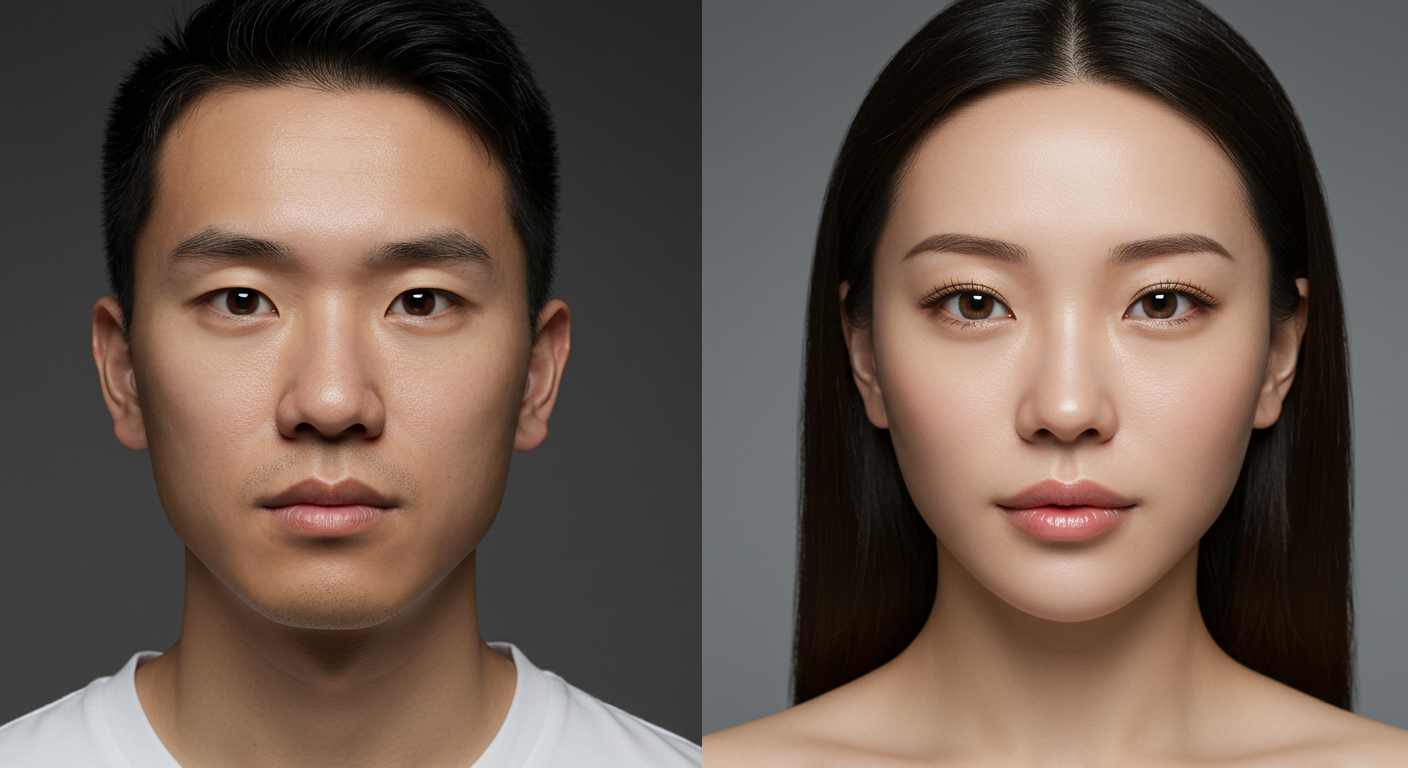
Lip Lift & Augmentation in FFS for Transgender Women: Ultimate Guide

A close-up portrait of a person wearing a black lace hood, focusing on their lips with dark lipstick against a dark background.

Achieving a feminine, balanced, and harmonious facial appearance is a key goal for many transgender women undergoing Facial Feminization Surgery (FFS). Among the most transformative procedures are lip lift and lip augmentation, which enhance the lips’ shape, volume, and position to align with traditionally feminine aesthetics. This comprehensive guide explores everything you need to know about these procedures, from their benefits and techniques to recovery and expected outcomes.

A woman smiling while holding a colorful rainbow umbrella, wearing a floral dress, against a dark background.

Introduction: Why Lip Procedures Matter in FFS

For transgender women, the lips play a pivotal role in facial femininity. Naturally, cisgender women tend to have fuller, more pronounced lips with a defined Cupid’s bow and a slightly upturned appearance. In contrast, masculine lips are often thinner, flatter, and positioned lower on the face. Lip lift and lip augmentation procedures address these differences by:

  • Increasing lip volume for a plumper, more youthful look.
  • Elevating the lip position to shorten the philtrum (the space between the nose and upper lip).
  • Enhancing the Cupid’s bow for a more defined and feminine shape.
  • Balancing facial proportions to harmonize with other FFS procedures like cheek augmentation or rhinoplasty.

Whether you’re considering these procedures as part of a full FFS journey or as standalone enhancements, understanding their nuances is critical to achieving your desired results.

Close-up of lips with a natural pink lipstick applied, highlighting the texture and smooth finish.

The Science Behind Lip Feminization: Anatomy and Aesthetics

The lips are a central feature of facial expression and attractiveness. Feminine lips are characterized by:

  • Volume: Fuller lips, particularly in the central and lower regions.
  • Shape: A pronounced Cupid’s bow and a slight pout.
  • Position: A shorter philtrum (typically 10-12 mm in women vs. 12-15 mm in men).
  • Ratio: The upper lip is slightly thinner than the lower lip, with a 1:1.6 ratio considered ideal.

In contrast, masculine lips tend to be:

  • Thinner and flatter.
  • Positioned lower on the face with a longer philtrum.
  • Less defined in shape, with a flatter Cupid’s bow.

Lip lift and lip augmentation procedures are designed to reverse these masculine traits, creating a softer, more feminine appearance.

Key Differences: Lip Lift vs. Lip Augmentation

ProcedurePrimary GoalTechniqueRecovery TimeLongevity
Lip LiftShorten the philtrum and elevate the upper lipRemoval of a small strip of skin under the nose1-2 weeksPermanent
Lip AugmentationIncrease lip volume and enhance shapeFillers (temporary) or fat grafting (permanent)2-5 days (fillers), 1-2 weeks (fat grafting)6-12 months (fillers), Permanent (fat grafting)
Close-up photograph of a person's lips, showcasing smooth skin and a natural pink hue. The lighting highlights the texture and subtle details of the lips, with a soft focus on the skin below the mouth.

Lip Lift: Elevating Feminine Beauty

A lip lift is a surgical procedure designed to shorten the philtrum and elevate the upper lip, creating a more youthful and feminine appearance. It is particularly beneficial for transgender women with a longer philtrum or a flat upper lip.

How the Procedure Works

The lip lift involves the following steps:

  1. Consultation: Your surgeon will assess your facial anatomy and discuss your goals to determine the optimal incision placement.
  2. Anesthesia: Local anesthesia is administered to ensure comfort during the procedure.
  3. Incision: A small, discreet incision is made under the nose, following the natural contour of the nostrils.
  4. Skin Removal: A strip of skin is removed to shorten the philtrum and elevate the upper lip.
  5. Suturing: The incision is closed with fine sutures, minimizing visible scarring.

Benefits of a Lip Lift

  • Permanent Results: Unlike fillers, a lip lift provides lifelong enhancement.
  • Natural-Looking Elevation: The procedure creates a subtle yet noticeable lift, enhancing the Cupid’s bow and upper lip definition.
  • Youthful Appearance: Shortening the philtrum can reverse signs of aging and create a more balanced facial profile.
  • Minimal Scarring: The incision is strategically placed to hide within the natural contours of the nose.

Recovery and Aftercare

Recovery from a lip lift typically takes 1-2 weeks. Here’s what to expect:

  • First 48 Hours: Swelling and bruising are common. Cold compresses can help reduce discomfort.
  • Week 1: Sutures are removed, and most swelling subsides. Avoid strenuous activities.
  • Week 2: Residual swelling diminishes, and the final results become more apparent.
  • Long-Term: Scars fade over time and are typically concealed by the natural shadow of the nose.

Potential Risks and Considerations

While a lip lift is generally safe, potential risks include:

  • Infection (rare with proper aftercare).
  • Asymmetry or uneven healing.
  • Visible scarring (minimized with skilled surgical techniques).
  • Temporary numbness or altered sensation.

Choosing a board-certified FFS specialist with experience in transgender procedures is essential to minimize risks and achieve optimal results.

Lip Augmentation: Adding Volume and Definition

Lip augmentation enhances lip volume and shape, creating a fuller, more feminine pout. This procedure is ideal for transgender women seeking to achieve softer, more youthful lips without surgery.

Types of Lip Augmentation

There are two primary methods for lip augmentation:

  1. Dermal Fillers: Temporary injectable fillers like hyaluronic acid (e.g., Juvederm, Restylane) add volume and definition. Results last 6-12 months.
  2. Fat Grafting: A permanent solution where fat is harvested from another area of the body (e.g., thighs or abdomen) and injected into the lips. Results are long-lasting but may require touch-ups.

Benefits of Lip Augmentation

  • Customizable Volume: Fillers allow for precise adjustments to achieve your desired lip shape.
  • Non-Surgical: Minimal downtime and immediate results.
  • Natural Feel: Modern fillers mimic the lips’ natural texture, avoiding an “overdone” look.
  • Reversible: Hyaluronic acid fillers can be dissolved if needed.

The Procedure: What to Expect

For dermal fillers:

  1. Consultation: Your provider will assess your lip anatomy and discuss your goals.
  2. Preparation: A topical numbing cream is applied to minimize discomfort.
  3. Injection: Fillers are strategically injected to enhance volume and shape.
  4. Recovery: Minimal downtime; swelling and bruising typically resolve within 2-5 days.

For fat grafting:

  1. Fat Harvesting: Liposuction is performed to collect fat from a donor site.
  2. Processing: The fat is purified and prepared for injection.
  3. Injection: Fat is injected into the lips to achieve the desired volume.
  4. Recovery: Swelling and bruising may last 1-2 weeks.

Recovery and Aftercare

Recovery from lip augmentation is generally quick, but proper aftercare is essential:

  • Avoid touching or pressing your lips for 24-48 hours.
  • Use ice packs to reduce swelling.
  • Avoid strenuous exercise and excessive heat (e.g., saunas) for 48 hours.
  • Stay hydrated and avoid alcohol and blood-thinning medications.

Potential Risks and Considerations

While lip augmentation is safe, potential risks include:

  • Swelling or bruising (temporary).
  • Asymmetry or lumpiness (correctable with follow-up treatments).
  • Allergic reactions (rare with FDA-approved fillers).
  • Infection (minimized with proper aftercare).

Combining Lip Lift and Augmentation for Optimal Results

For many transgender women, combining a lip lift with lip augmentation yields the most dramatic and harmonious results. This dual approach addresses both the position and volume of the lips, creating a balanced and feminine appearance.

Why Combine Both Procedures?

  • Enhanced Feminization: A lip lift elevates the upper lip, while augmentation adds volume, creating a fuller, more defined pout.
  • Natural Harmony: The procedures complement each other, ensuring the lips look proportionate to the rest of the face.
  • Long-Lasting Results: A lip lift is permanent, while augmentation can be maintained with periodic touch-ups.

What to Expect During Recovery

If performed simultaneously, recovery typically follows the timeline of the more invasive procedure (the lip lift). Expect:

  • Week 1: Swelling and bruising peak and begin to subside.
  • Week 2: Most swelling resolves, and sutures (if applicable) are removed.
  • Month 1: Final results become apparent as residual swelling fades.

Choosing the Right Surgeon for Your FFS Journey

Selecting a qualified and experienced FFS specialist is critical to achieving safe and satisfying results. Here’s what to look for:

  • Board Certification: Ensure your surgeon is certified by a recognized board (e.g., American Board of Plastic Surgery).
  • Transgender-Specific Experience: Choose a provider with extensive experience in FFS for transgender women.
  • Before-and-After Portfolio: Review real patient results to assess the surgeon’s aesthetic style.
  • Patient Testimonials: Read reviews and testimonials from previous patients.
  • Consultation Process: A thorough consultation should include a discussion of your goals, a physical examination, and a personalized treatment plan.

For more information on FFS procedures, explore our resources on Feminizing Facial Features and Lip Lift and Augmentation.

Conclusion: Empowering Your Feminine Transformation

Lip lift and lip augmentation are powerful tools in the FFS toolkit, helping transgender women achieve a softer, more feminine appearance. By understanding the procedures, their benefits, and what to expect during recovery, you can make an informed decision that aligns with your goals.

Key Takeaways

  • Lip Lift: Permanently elevates the upper lip and shortens the philtrum for a youthful, feminine look.
  • Lip Augmentation: Adds volume and definition, with options for temporary fillers or permanent fat grafting.
  • Combining Procedures: Offers the most comprehensive enhancement for balanced, natural-looking results.
  • Surgeon Selection: Prioritize experience, certification, and a patient-centered approach.

Next Steps

If you’re ready to explore lip feminization as part of your FFS journey, schedule a consultation with a trusted FFS specialist. For further reading, visit our pages on Facial Aesthetics and Lip Augmentation.

Frequently Asked Questions (FAQs)

What is the ideal lip shape for a feminine appearance?

A feminine lip shape typically includes:

  • A defined Cupid’s bow (the double curve of the upper lip).
  • A slightly fuller lower lip compared to the upper lip.
  • A shorter philtrum (10-12 mm).
  • A subtle pout with natural volume.

How painful is a lip lift or lip augmentation?

Discomfort levels vary:

  • Lip Lift: Performed under local anesthesia; mild discomfort during recovery, manageable with pain medication.
  • Lip Augmentation (Fillers): Minimal discomfort, often described as a slight pinch. Numbing cream is applied beforehand.
  • Fat Grafting: Mild to moderate discomfort during fat harvesting and injection, managed with anesthesia.

Can I combine a lip lift with other FFS procedures?

Yes! Many transgender women opt to combine a lip lift with:

How long do the results of lip augmentation last?

Longevity depends on the method:

  • Dermal Fillers: 6-12 months, depending on the type of filler used.
  • Fat Grafting: Permanent, though some fat may be reabsorbed over time.

What is the cost of lip lift and augmentation?

Costs vary based on location, surgeon expertise, and the specific procedures performed:

  • Lip Lift: $3,000 – $6,000.
  • Lip Augmentation (Fillers): $500 – $2,000 per syringe.
  • Fat Grafting: $2,500 – $5,000 (includes liposuction and fat processing).

Are there non-surgical alternatives to a lip lift?

While no non-surgical procedure can replicate the permanent results of a lip lift, some alternatives include:

  • Botox Lip Flip: A temporary solution where Botox is injected into the upper lip to create a slight lift. Results last 2-3 months.
  • Dermal Fillers: Strategically placed fillers can create the illusion of a lift by adding volume to the upper lip.

How do I prepare for a lip lift or augmentation?

Preparation tips:

  • Avoid blood-thinning medications (e.g., aspirin, ibuprofen) for 1 week prior.
  • Stay hydrated and maintain a healthy diet.
  • Arrange for a friend or family member to drive you home post-procedure.
  • Follow your surgeon’s specific pre-operative instructions.

What are the signs of a poorly performed lip lift?

Red flags include:

  • Visible or raised scarring.
  • Asymmetry or uneven lip elevation.
  • Overly shortened philtrum, creating an unnatural appearance.
  • Persistent numbness or altered sensation.

Choosing a skilled FFS surgeon minimizes these risks and ensures natural-looking results.

Visit Dr.MFO Instagram profile to see real patient transformations! Get a glimpse of the incredible results achieved through facial feminization surgery and other procedures. The profile showcases before-and-after photos that highlight Dr. MFO’s expertise and artistic vision in creating natural-looking, beautiful outcomes.

Ready to take the next step in your journey? Schedule a free consultation with Dr. MFO ( Best Facial Feminization Surgeon for You) today. During the consultation, you can discuss your goals, ask any questions you may have, and learn more about how Dr. MFO can help you achieve your desired look. Don’t hesitate to take advantage of this free opportunity to explore your options and see if Dr. MFO is the right fit for you.

Trichophytic Hairline Incision Recovery: Timeline & Expert Tips

A close-up portrait of a woman with dark hair styled in a bun, looking to the side. She has prominent eyebrows and long eyelashes, with a neutral expression on her face.

Undergoing a trichophytic hairline incision is a significant step toward achieving your aesthetic goals, whether for hairline feminization, masculinization, or hair transplant procedures. However, the recovery process can often feel overwhelming, especially if you’re unsure what to expect. This comprehensive guide will walk you through every stage of the recovery process, from immediate post-operative care to long-term healing, ensuring you’re fully prepared for a smooth and successful recovery.

In this article, you’ll discover:

  • The step-by-step recovery timeline after a trichophytic hairline incision.
  • What symptoms and changes are normal during each phase of healing.
  • Expert tips to accelerate recovery and minimize discomfort.
  • How to identify potential complications and when to seek medical advice.
  • Long-term care strategies to maintain optimal results.
A woman with curly hair looking concerned or upset, wearing a white top, against a plain white background.

Understanding the Trichophytic Hairline Incision Technique

The trichophytic closure technique is a specialized method used in hairline procedures to create a natural-looking hairline while minimizing visible scarring. Unlike traditional incisions, this technique involves:

  • Beveled cuts along the hairline to allow hair to grow through the scar, camouflaging it.
  • Precise suturing to ensure the wound edges align perfectly.
  • Enhanced healing due to reduced tension on the incision site.

This technique is commonly used in procedures like hairline feminization, hair transplants, and forehead reduction surgeries.

A young man with short, styled hair looking directly at the camera with a serious expression, wearing a dark coat, against a dark background with white, abstract lines.

The Recovery Timeline: What Happens When

Recovery from a trichophytic hairline incision is a gradual process. Below is a detailed timeline of what to expect during each phase:

PhaseDurationWhat to ExpectCare Tips
Immediate Post-Op (Days 1-3)1-3 daysSwelling, bruising, and mild discomfort. Presence of a compression bandage or dressing. Possible numbness or tingling around the incision site.Keep the head elevated to reduce swelling. Take prescribed pain medications as directed. Avoid touching or scratching the incision site.
Early Recovery (Days 4-7)4-7 daysReduction in swelling and bruising. Dressings may be removed, and stitches may dissolve or be removed. Mild itching as healing begins.Follow your surgeon’s instructions for wound care. Avoid strenuous activities or heavy lifting. Keep the incision site clean and dry.
Intermediate Recovery (Weeks 2-4)2-4 weeksSignificant reduction in swelling and bruising. Incision site begins to fade. Possible scabbing or flaking as new skin forms.Use recommended scar treatments (e.g., silicone gel). Avoid direct sunlight on the incision site. Resume light activities gradually.
Long-Term Recovery (Months 2-6)2-6 monthsIncision site continues to fade and blend with surrounding skin. Hair may begin to grow through the scar, camouflaging it. Full sensation returns to the area.Continue scar management as advised. Follow up with your surgeon for progress checks. Maintain a healthy lifestyle to support healing.

Managing Symptoms and Accelerating Recovery

While recovery is a natural process, there are steps you can take to manage symptoms and promote faster healing:

Swelling and Bruising

Swelling and bruising are common after a trichophytic hairline incision. To minimize these symptoms:

  • Apply cold compresses (not directly on the incision) for the first 48 hours.
  • Sleep with your head elevated at a 30-45 degree angle.
  • Avoid bending or lifting heavy objects.

Pain and Discomfort

Mild to moderate discomfort is normal during the first few days. Your surgeon may prescribe pain medications or recommend over-the-counter options like acetaminophen. Avoid aspirin or ibuprofen, as they can increase bleeding risk.

Itching and Scabbing

As the incision heals, itching and scabbing may occur. Avoid scratching the area, as this can disrupt healing and increase scarring. Instead, use a gentle moisturizer or scar gel as recommended by your surgeon.

Scar Management

The trichophytic technique is designed to minimize visible scarring, but proper care is essential for optimal results. Consider the following:

  • Use silicone-based scar gels or sheets to reduce scar visibility.
  • Avoid sun exposure, which can darken the scar. Use SPF 30+ sunscreen once the incision is fully healed.
  • Massage the scar gently (after approval from your surgeon) to improve flexibility and appearance.

Potential Complications and When to Seek Help

While complications are rare, it’s essential to be aware of potential issues and seek medical advice if necessary. Contact your surgeon if you experience:

  • Excessive bleeding that doesn’t stop with gentle pressure.
  • Signs of infection, such as increased pain, redness, warmth, or pus at the incision site.
  • Severe swelling or bruising that worsens over time.
  • Fever or chills, which may indicate an infection.
  • Unusual discharge or foul odor from the incision.

Early intervention can prevent complications from worsening, so don’t hesitate to reach out to your healthcare provider if something doesn’t feel right.

Long-Term Care and Maintenance

Once your incision has fully healed, maintaining your results is crucial. Here are some long-term care tips:

Hair Care

If your procedure involved hair transplantation or hairline adjustments, follow your surgeon’s advice for hair care. This may include:

  • Using gentle shampoos and conditioners.
  • Avoiding tight hairstyles that pull on the hairline.
  • Following a healthy diet to support hair growth.

Sun Protection

Protecting your incision site from the sun is essential to prevent hyperpigmentation and scarring. Always apply a broad-spectrum sunscreen with SPF 30 or higher when exposed to sunlight.

Follow-Up Appointments

Attend all scheduled follow-up appointments with your surgeon. These visits allow your surgeon to monitor your progress, address any concerns, and provide personalized advice for long-term care.

A before-and-after comparison image of a woman with a focus on her facial features, likely showcasing a medical or cosmetic procedure. The image is divided into two halves, with the left side showing her before the procedure and the right side showing her after the procedure. The woman has dark hair tied back in a bun and is wearing a light blue top.

Conclusion: Key Takeaways and Next Steps

Important Insights

  • The trichophytic hairline incision technique is designed to minimize scarring and promote natural-looking results.
  • Recovery involves four key phases: immediate post-op, early recovery, intermediate recovery, and long-term healing.
  • Proper care, including managing swelling, pain, and scarring, is essential for a smooth recovery.
  • Monitor for potential complications and seek medical advice if needed.

Next Steps

If you’re preparing for a trichophytic hairline incision or are in the recovery phase, consider the following steps:

  • Follow your surgeon’s post-operative instructions carefully.
  • Prepare your home for recovery by stocking up on supplies like cold compresses, pain medications, and scar gels.
  • Stay hydrated and maintain a balanced diet to support healing.
  • Schedule follow-up appointments to ensure optimal results.

Frequently Asked Questions (FAQs)

How long does it take for the incision to fully heal?

The incision typically heals within 2-4 weeks, but full maturation of the scar and hair growth through the incision can take 3-6 months.

Can I wash my hair after the procedure?

You can usually wash your hair 48-72 hours after the procedure, but follow your surgeon’s specific instructions to avoid disrupting the incision site.

Will the scar be visible?

The trichophytic technique is designed to minimize scarring. With proper care, the scar should be barely noticeable and camouflaged by hair growth.

When can I return to work or normal activities?

Most patients can return to work within 1-2 weeks, depending on the nature of their job. Avoid strenuous activities for at least 4-6 weeks.

Is the trichophytic technique suitable for all hairline procedures?

While highly effective, the trichophytic technique is best suited for procedures involving hairline adjustments, such as hair transplants or feminization surgeries. Consult with your surgeon to determine if it’s right for you.

What should I avoid during recovery?

Avoid the following to ensure a smooth recovery:

  • Smoking and alcohol, which can impair healing.
  • Strenuous exercise or heavy lifting.
  • Direct sun exposure on the incision site.
  • Scratching or picking at scabs.

Can I use makeup to cover the incision?

Once the incision has fully healed (typically after 2-3 weeks), you can use makeup to conceal any residual redness or scarring. Consult your surgeon for recommendations on safe products.

How can I prepare for my trichophytic hairline incision procedure?

Preparation is key to a successful procedure and recovery. Check out our guide on how to prepare for a hair transplant for expert tips.

Visit Dr.MFO Instagram profile to see real patient transformations! Get a glimpse of the incredible results achieved through facial feminization surgery and other procedures. The profile showcases before-and-after photos that highlight Dr. MFO’s expertise and artistic vision in creating natural-looking, beautiful outcomes.

Ready to take the next step in your journey? Schedule a free consultation with Dr. MFO ( Best Facial Feminization Surgeon for You) today. During the consultation, you can discuss your goals, ask any questions you may have, and learn more about how Dr. MFO can help you achieve your desired look. Don’t hesitate to take advantage of this free opportunity to explore your options and see if Dr. MFO is the right fit for you.