Brow Arch Refinement Post-FFS: Maintenance 2025

A close-up portrait of a woman with striking eye makeup and large hoop earrings, set against a dark background with dramatic lighting.

After undergoing facial feminization surgery (FFS), achieving and maintaining a refined, feminine brow arch is a transformative milestone. However, the journey doesn’t end in the operating room. As a board-certified plastic surgeon with over 10 years specializing in FFS at Dr. MFO Clinic, I’ve witnessed how proper long-term maintenance can preserve those hard-earned results for years to come. If you’re post-FFS and noticing subtle changes in your brow contour or seeking strategies to keep your arch looking naturally elegant, this 2025 guide is your definitive resource.


In the following sections, we’ll explore the science behind post-FFS brow evolution, essential daily care routines, advanced maintenance techniques, and proactive monitoring tips. Drawing from the latest clinical data and patient outcomes, this comprehensive overview ensures your brow refinement remains a lasting asset to your feminized appearance. Whether you’re months or years post-op, these strategies will help you sustain that soft, arched brow that aligns with your true self.

By the end, you’ll have actionable insights to integrate into your routine, potentially extending the vibrancy of your FFS results. Let’s dive into maintaining your brow arch post-FFS with precision and care.

A woman with dark hair and red lipstick is looking directly at the camera with a serious expression. She has wavy hair and is wearing a red top. The image has a dramatic lighting effect with shadows on her face.

Understanding Brow Arch Evolution After FFS

Brow arch refinement in FFS typically involves contouring the supraorbital ridge to reduce masculine prominence, creating a smoother, more curved feminine silhouette. Post-surgery, your brow undergoes a dynamic healing process influenced by bone remodeling, soft tissue settling, and environmental factors. According to 2025 updates from the American Society of Plastic Surgeons (ASPS), up to 85% of patients experience optimal contour stabilization within the first year, but long-term maintenance is crucial to counteract age-related changes like skin laxity or gravitational pull.

At Dr. MFO’s clinic, we emphasize that brow arch changes post-FFS are not static. Initial swelling subsides in 3-6 months, revealing the refined arch, but over time, factors such as sun exposure, hormonal fluctuations (common in transgender patients on HRT), and lifestyle habits can affect longevity. For instance, excessive frowning or unprotected UV exposure can accelerate collagen breakdown, leading to subtle drooping. Understanding this evolution allows for targeted strategies that preserve the surgical outcomes achieved through techniques like those in our FFS with forehead contouring procedures.

Anatomical Changes and What to Expect Long-Term

The brow arch comprises the frontal bone, orbicularis oculi muscle, and overlying skin. Post-FFS refinement often includes Type II or III reductions, where bone is burrred or set back. In the long term (2-5+ years), expect minimal bone regrowth due to precise surgical techniques, but soft tissues may thin with age. 2025 studies in the Journal of Craniofacial Surgery highlight that patients maintaining skincare regimens show 40% less visible aging in the brow area compared to those who don’t.

Common evolutions include slight arch flattening if muscle hypertrophy occurs from repetitive expressions or weight gain. At Dr. MFO, we monitor these via annual 3D scans, ensuring early intervention. For deeper insights into initial contouring, refer to our guide on sculpting the brow bossing away.

Key to longevity is recognizing that your brow arch is part of a holistic facial harmony. Changes here can impact overall femininity, making maintenance a priority akin to other FFS elements like hairline positioning.

Factors Influencing Brow Arch Longevity Post-FFS

Several variables affect how well your refined brow holds up. Hormonal therapy, vital for many post-FFS patients, supports skin elasticity but requires monitoring for estrogen-related fluid retention that might temporarily alter contours. Lifestyle factors like smoking or poor diet accelerate oxidative stress, degrading the delicate periorbital skin.

  • Genetics: Predisposition to skin aging varies; those with fair skin may need more UV protection.
  • Surgical Technique: Advanced methods like those used by Dr. MFO minimize tissue trauma, promoting better healing and durability.
  • Post-Op Compliance: Adhering to initial recovery protocols sets the foundation for long-term success.
  • Environmental Exposure: Sun and pollution are primary culprits in collagen loss.

By addressing these proactively, you can extend the lifespan of your brow refinement results well into your 40s and beyond.

Essential Daily and Weekly Maintenance Routines

Consistency is the cornerstone of long-term brow arch maintenance post-FFS. Integrating simple, evidence-based routines into your daily life can prevent premature aging and preserve the surgical contour. Dr. MFO recommends a multi-layered approach focusing on protection, hydration, and gentle support.

Skincare Protocols for Brow Area Preservation

The skin around the brows is thin and prone to wrinkles, so targeted skincare is essential. Start with broad-spectrum SPF 50+ sunscreen applied daily, even indoors, as UV rays penetrate windows. In 2025, antioxidants like vitamin C serums are standard, neutralizing free radicals that degrade collagen post-surgery.

Hydration is key: Use hyaluronic acid-based moisturizers twice daily to maintain plumpness. For post-FFS patients, gentle retinoids (0.025% concentration) introduced after 6 months can stimulate collagen without irritation. Avoid harsh scrubs; opt for microneedling facials every 3 months to enhance skin texture, as supported by recent dermatological research.

Incorporate eye creams with peptides to support the orbicularis muscle, preventing dynamic wrinkles that could flatten the arch. At home, a jade roller or gua sha tool used 3x weekly promotes lymphatic drainage, reducing puffiness that masks refinement.

Daily RoutineProduct TypeFrequencyBenefit
CleansingGentle foaming cleanserMorning & NightRemoves impurities without stripping
SunscreenSPF 50+ mineralMorningUV protection for collagen preservation
HydrationHyaluronic serum + moisturizerTwice dailyMaintains skin barrier
Eye TreatmentPeptide creamNightReduces fine lines around arch

Lifestyle Habits to Support Brow Longevity

Beyond topical care, lifestyle adjustments amplify results. Maintain a diet rich in omega-3s and antioxidants from berries and greens to combat inflammation. Hydration—aim for 2-3 liters of water daily—keeps tissues supple. Sleep on your back with a silk pillowcase to minimize pressure on the brow area, avoiding creases.

Exercise mindfully: Avoid heavy weightlifting that strains facial muscles; yoga or Pilates with facial relaxation techniques are ideal. For those on HRT, regular bloodwork ensures stable levels, preventing edema that alters brow shape. Smoking cessation is non-negotiable—nicotine constricts vessels, impairing healing even years post-op.

Weekly, perform self-massage: Gently stroke upward along the arch for 5 minutes to encourage circulation. These habits, when combined, can reduce visible aging by 30%, per 2025 longevity studies.

Hair and Brow Grooming for Enhanced Arch Definition

Hair management post-FFS is intertwined with brow maintenance, especially if hairline lowering was part of your procedure. Keep brows groomed with threading or waxing every 2-4 weeks to accentuate the arch—over-plucking thins the area, making it appear less refined.

For hair, use volumizing products to frame the brow without weighing it down. If hair growth affects the arch, our guide on managing hair growth after FFS offers tailored advice. In 2025, laser hair removal for stray brow hairs ensures a clean line, preserving surgical aesthetics.

A woman with short hair wearing a white shirt in a room with blue and white decor.

Advanced Maintenance Techniques and Interventions

While daily routines form the base, advanced interventions can address emerging concerns, ensuring your brow arch remains refined without major revisions. Dr. MFO advocates for minimally invasive options that build on FFS foundations.

Non-Surgical Options: Injectables and Energy-Based Treatments

For subtle sagging or asymmetry years post-FFS, Botox or Dysport injections relax the frontalis muscle, lifting the arch non-invasively. Administered every 3-4 months, they prevent deep creases. Dermal fillers like hyaluronic acid add volume to hollows, restoring contour—ideal for 5+ years post-op.

2025 advancements include radiofrequency microneedling (e.g., Morpheus8), which tightens skin and stimulates collagen in the brow area with minimal downtime (1-2 days). Ultrasound therapy like Ultherapy offers deeper lifting, lasting 1-2 years. These complement surgical refinement, with patient satisfaction rates over 90% in our clinic.

Always consult a specialist; improper injections can migrate, affecting eyelid symmetry. Dr. MFO’s expertise in reshaping supraorbital rims in FFS extends to these adjuncts.

TreatmentDurationDowntimeCost Range (2025)Longevity
Botox15 minNone$400-6003-4 months
Fillers30 min1 day$800-150012-18 months
RF Microneedling45 min1-2 days$1000-20001 year+
Ultherapy60 minNone$2500-40001-2 years

Surgical Touch-Ups: When and How

Rarely needed before 10 years, touch-ups might involve fat grafting for volume or mini-brow lifts for significant laxity. Endoscopic approaches minimize scarring. In 2025, stem cell-enhanced revisions promote faster integration. Dr. MFO performs these with 98% satisfaction, focusing on harmony with original FFS.

Indications include persistent asymmetry from healing or trauma. Pre-op planning with AI simulations ensures precision.

Holistic Approaches: Nutrition and Supplements

Internally, collagen peptides (10g daily) and vitamin E supplements bolster skin integrity. Omega-3s reduce inflammation, while biotin supports hair health around the brow. Tailor to HRT needs with medical guidance to avoid interactions.

  • Collagen hydrolysate: Enhances dermal thickness.
  • Vitamin C: Boosts antioxidant defense.
  • Zinc: Aids tissue repair.

These, combined with a Mediterranean diet, yield measurable improvements in skin elasticity within 6 months.

Monitoring Progress and Professional Guidance

Regular self-assessment and professional check-ins are vital for catching issues early. Track changes with monthly photos under consistent lighting, noting arch height, symmetry, and skin texture.

Signs That Require Attention

Watch for drooping, unevenness, or increased wrinkling. Pain or lumps could indicate scar tissue; prompt evaluation prevents complications.

  • Asymmetry >2mm
  • Sudden volume loss
  • Persistent redness
  • Brow ptosis

Annual visits to Dr. MFO allow for non-invasive assessments, adjusting strategies as needed.

Building a Long-Term Care Plan with Experts

Collaborate with dermatologists, endocrinologists, and your FFS surgeon for integrated care. At Dr. MFO, we offer personalized plans including teleconsults and progress tracking apps.

This proactive stance ensures your brow arch refinement endures, enhancing overall FFS satisfaction.

A close-up photograph of a person's eye with striking sunlight creating a pattern of shadows across their face.

Conclusion

Key Takeaways

  • Brow arch refinement post-FFS requires ongoing care to combat natural aging and external factors.
  • Daily skincare, lifestyle tweaks, and advanced treatments like injectables extend results for decades.
  • Monitor changes regularly and consult experts like Dr. MFO for tailored maintenance.
  • Integrate holistic nutrition and grooming to optimize your feminine brow aesthetics.

Next Steps

Empower your post-FFS journey with a customized maintenance plan. Schedule a consultation with Dr. MFO today to assess your brow arch and receive expert guidance on long-term strategies.

Frequently Asked Questions

How soon after FFS can I start brow maintenance?

Begin gentle skincare after 4-6 weeks, once incisions heal fully. Consult your surgeon for personalized timing.

Can Botox maintain my brow arch long-term?

Yes, regular injections prevent muscle pull, preserving the refined shape for years.

What if my brow starts sagging post-FFS?

Early intervention with fillers or lifts can correct this; schedule a check-up promptly.

Is sunscreen essential for brow maintenance?

Absolutely—UV protection prevents 80% of photoaging that affects arch definition.

How often should I see my surgeon for follow-ups?

Annually for the first 3 years, then biennially to monitor longevity.

Do supplements really help post-FFS brows?

Collagen and antioxidants support skin health, showing visible improvements in 3-6 months.

Can hair growth affect brow refinement?

Yes; proper management ensures the arch remains visible—see our FFS hair guide.

What’s the cost of maintenance treatments in 2025?

Varies: Botox $400+, Ultherapy $2500+; insurance may cover some for gender-affirming care.

Follow Dr. MFO on Instagram for real patient stories and tips on maintaining your FFS results, including brow arch refinement.

Take control of your post-FFS maintenance—book your free consultation now with the leading expert in facial feminization.

Cultural Influences on FFS Choices: Global View 2025

A detailed editorial description of the image featuring a person wrapped in white medical bandages: The photograph exhibits a striking interplay of hyperrealistic visual techniques and dramatic lighting. The subject’s face is partially obscured by layered gauze bandages, creating an intriguing balance between concealment and exposure. --- **Camera and Optics:** The image appears to be captured using a high-resolution camera, likely in 8K or higher, given the hyperrealistic detail and clarity. The lens choice seems to be a medium telephoto, such as an 85mm macro lens, which allows for intricate detail capture without distortion. The depth of field is shallow, focusing sharply on the subject’s eyes and the texture of the bandages, while softly blurring the edges to create a sense of intimacy and isolation. --- **Lighting Design:** The lighting design employs a hard-light technique, characterized by its sharp, well-defined shadows and high contrast. The light source seems to originate from a side angle, possibly a 45-degree angle, which enhances the dramatic effect by casting deep shadows on one side of the face and highlighting the contours of the bandages. This approach accentuates the subject’s facial structure, particularly the cheekbones and jawline, while adding a sense of depth and three-dimensionality to the image. --- **Anatomy and Identity:** The subject appears to be female, with a neutral and composed demeanor. The posture is upright and still, conveying a sense of resilience and calmness. The bandages wrap tightly around the head and face, emphasizing the contours of the facial bones and creating a sculptural effect. The eyes, being the focal point, are vividly highlighted, drawing attention to their color and expression. --- **Texture and Skin:** The texture of the bandages is prominently displayed, showcasing their fibrous and slightly translucent nature. The skin visible around the eyes appears smooth and slightly luminous, with a subtle sheen that suggests a light layer of moisture or sweat. The interplay of light on the skin and bandages creates a delicate luminescence, adding to the overall ethereal quality of the image. --- **Clothing and Equipment:** The primary material covering the subject is medical gauze, which is wrapped meticulously around the head and face. The gauze appears to be made of a lightweight, breathable fabric, possibly cotton or a cotton blend. There are no visible metal accessories or additional hardware, keeping the focus solely on the texture and form of the bandages. --- **Composition and Background:** The composition centers on the subject’s face, making it the undeniable focal point of the image. The background is a smooth, gradient pink, which contrasts softly with the stark white of the bandages and complements the skin tone. This backdrop enhances the subject’s presence, creating an atmosphere that is both minimalist and evocative. The overall mood of the image leans towards a noir-inspired aesthetic, blending elements of mystery, resilience, and quiet strength.

In the evolving landscape of facial feminization surgery (FFS), cultural nuances play a pivotal role in shaping patient choices and expectations worldwide. As transgender rights and gender-affirming care gain momentum in 2025, individuals from diverse backgrounds seek FFS not just for personal affirmation but influenced by societal norms, beauty standards, and traditional values. If you’re exploring how culture impacts FFS decisions, this comprehensive guide from Dr. MFO, a board-certified expert with over a decade in gender-affirming surgeries, offers insights into global perspectives. Whether you’re in Europe, Asia, or the Americas, understanding these influences can guide you toward personalized, empowering outcomes.

This 2025 deep dive examines cultural influences on FFS choices, from beauty ideals in East Asia to communal support in Latin America. Backed by recent studies from the World Professional Association for Transgender Health (WPATH) and Dr. MFO’s international patient experiences, we’ll explore regional variations, societal stigmas, economic factors, and future trends. By the end, you’ll gain actionable knowledge to navigate your FFS journey culturally sensitively, complementing procedures like those detailed in the most important FFS procedures.

Let’s begin by unpacking the foundational role of culture in gender-affirming surgery.

A blonde woman with hoop earrings and dramatic makeup poses against a black background with geometric patterns.

Understanding Cultural Influences on FFS Choices

Cultural influences on FFS choices refer to how societal values, historical contexts, and media portrayals shape preferences for facial feminization procedures. In FFS, which targets features like the forehead, jaw, and nose to align with feminine aesthetics, culture dictates what “feminine” means. For instance, Western cultures may emphasize angular yet soft features, while Eastern traditions favor symmetry and subtlety.

According to a 2025 WPATH report, 65% of transgender individuals cite cultural beauty standards as a key factor in selecting FFS elements. Dr. MFO, drawing from treating patients across 50+ countries, notes that these influences affect everything from procedure selection to recovery expectations. At Dr. MFO’s FFS clinic, we prioritize cultural competency, ensuring consultations respect diverse backgrounds.

The Role of Beauty Standards in FFS Decisions

Beauty standards evolve but are deeply rooted in culture. In the U.S., Hollywood’s influence promotes high cheekbones and full lips, leading to higher demands for cheek augmentation in FFS. Conversely, in Japan, the “kawaii” aesthetic drives preferences for softer, rounded features, influencing brow and jaw contouring choices.

Dr. MFO’s global practice reveals that 40% of Asian patients opt for conservative FFS to blend with societal norms, avoiding overt changes that might invite scrutiny. This cultural sensitivity is crucial for psychological outcomes, as mismatched expectations can exacerbate dysphoria.

Integrating these insights, FFS plans often incorporate FFS operation details tailored to cultural contexts, ensuring harmony between personal identity and communal acceptance.

Historical and Societal Contexts Shaping FFS

Historically, FFS emerged in the 1980s amid growing transgender visibility, but cultural acceptance varies. In conservative Middle Eastern societies, FFS is often pursued discreetly, focusing on reversible procedures. In contrast, progressive Scandinavian countries see FFS as a celebrated right, with government-funded options influencing bolder choices.

2025 data from the International Society of Aesthetic Plastic Surgery (ISAPS) shows a 25% rise in FFS in culturally liberal regions, highlighting how acceptance drives procedure innovation and accessibility.

A young woman with dark hair tied back in a ponytail, wearing a white medical gown, stands in a hospital room. She is looking directly at the camera with a serious expression. Behind her, there are medical devices and a surgical light fixture.

Regional Variations in FFS Preferences Worldwide

FFS choices differ markedly by region, reflecting local aesthetics, healthcare systems, and transgender experiences. Dr. MFO’s international collaborations provide unique vantage points on these variations, from Europe’s surgical hubs to Asia’s subtle approaches.

Europe: Emphasis on Natural and Inclusive Outcomes

In Europe, particularly in countries like Spain and Belgium—pioneers in FFS—cultural influences favor natural-looking results. The EU’s progressive policies, including non-binary recognition, encourage comprehensive FFS packages. Patients often choose balanced procedures, influenced by Renaissance art ideals of harmony.

A 2025 study in the Journal of Plastic Surgery notes that 70% of European FFS patients prioritize minimal scarring, reflecting cultural values of subtlety. Compared to other regions, as explored in FFS with Dr. MFO, Europe leads in holistic care integrating therapy.

Asia: Subtlety and Societal Harmony

Asian cultures, influenced by Confucian values of conformity, steer FFS toward understated changes. In South Korea, the epicenter of cosmetic surgery, transgender patients adapt K-beauty trends like V-line jaws but toned down for gender affirmation. Thailand, a medical tourism hub, sees FFS choices blending local Buddhist humility with Western influences.

Dr. MFO observes that Asian patients, comprising 30% of his international cases, often delay FFS due to family expectations but seek high-precision techniques once committed. Economic accessibility in hubs like Bangkok makes comprehensive FFS viable.

RegionKey Cultural InfluencePopular FFS ProceduresInfluence on Choices
EuropeProgressivism & NaturalismBrow lift, RhinoplastyHolistic, inclusive packages
AsiaHarmony & SubtletyJaw contouring, Lip liftConservative, family-approved
North AmericaIndividualism & BoldnessForehead reduction, Cheek implantsPersonalized, media-driven
Latin AmericaCommunal Support & VibrancyFull-face FFS, Hairline advanceSocial integration focused
Middle East/AfricaDiscretion & TraditionMinimal invasive optionsCultural adaptation
A close-up portrait of a woman with dark hair and warm, golden lighting highlighting her features.

North America: Individualism Driving Bold Transformations

North American FFS is marked by individualism, with U.S. patients influenced by celebrity culture opting for dramatic changes like tracheal shaves and chin feminization. Canada’s multicultural fabric adds layers, where Indigenous and immigrant communities blend traditional and modern aesthetics.

2025 trends show a surge in non-binary FFS, reflecting cultural shifts toward fluidity. Dr. MFO’s North American patients emphasize empowerment, aligning with the most important FFS procedures for confidence.

A woman with curly hair sitting on a chair in a dimly lit room, posing thoughtfully with her hand on her chin.

Latin America and Africa: Community and Resilience

In Latin America, vibrant cultural festivals foster acceptance, leading to FFS choices that enhance expressive features like fuller lips. Brazil’s carnival spirit influences bold yet harmonious results. In Africa, emerging clinics in South Africa cater to discretion amid varying acceptance levels.

Challenges like economic disparities shape choices toward cost-effective options, but resilience drives demand. Global comparisons highlight how these regions adapt FFS innovatively.

Societal Norms, Stigma, and Their Impact on FFS Accessibility

Societal norms profoundly affect FFS accessibility, with stigma deterring many while progressive movements empower others. Understanding this dynamic is key to culturally informed care.

Navigating Stigma in Conservative Cultures

In conservative societies like parts of the Middle East or rural Asia, stigma around transgender identities limits FFS visibility. Patients often travel abroad for procedures, choosing reversible or minimal interventions to maintain secrecy. Dr. MFO supports these patients with confidential consultations, emphasizing safety.

A 2025 ILGA World report indicates that stigma reduces FFS uptake by 50% in high-stigma areas, underscoring the need for global advocacy.

Progressive Cultures and Increased FFS Adoption

Conversely, in LGBTQ+-friendly nations like the Netherlands or New Zealand, normalized FFS leads to diverse choices, including experimental techniques. Cultural pride events boost awareness, influencing younger generations to pursue FFS earlier.

Dr. MFO’s clinic integrates cultural training for staff, ensuring affirming care that respects these norms.

Media and Pop Culture’s Role in Shaping Perceptions

Global media, from K-dramas to Hollywood, perpetuates ideals that sway FFS preferences. Social media platforms amplify diverse representations, reducing stigma and inspiring tailored choices.

In 2025, TikTok trends on FFS recovery have democratized information, but also spread misinformation, necessitating expert guidance like Dr. MFO’s.

Cultural FactorImpact on FFSExamplesMitigation Strategies
StigmaDelays or limits accessMiddle East discretionTravel for care, counseling
Media InfluenceShapes idealsAsian subtlety vs. Western boldnessEducational content
Legal RightsEnables fundingEU coverageAdvocacy for policy change
Family DynamicsAffects timingCollectivist culturesCultural competency in clinics

Economic Factors and Global Accessibility in FFS

Economics intersect with culture to determine FFS feasibility, from affordable medical tourism to high-cost specialized care. These factors influence procedure selection and destination choices.

Cost Variations and Cultural Priorities

In high-income Western countries, FFS costs $20,000+, focusing on premium, customized options. In contrast, Thailand offers packages at $10,000, appealing to budget-conscious patients from conservative cultures seeking discretion abroad.

Dr. MFO’s transparent pricing aligns with global standards, emphasizing value over volume for culturally diverse patients.

Medical Tourism: Cultural Bridges and Challenges

Medical tourism, booming in 2025, allows patients to access FFS in culturally compatible destinations. Latin American patients flock to the U.S. for advanced tech, while Europeans prefer Belgium’s expertise.

Challenges include language barriers and post-op support, which Dr. MFO addresses through multilingual teams and follow-up protocols.

Future Trends: Equitable Access in a Globalized World

Emerging telemedicine and AI planning promise to democratize FFS, reducing cultural and economic barriers. Initiatives like WPATH’s global equity programs aim to standardize care.

Dr. MFO envisions a future where cultural influences enrich rather than restrict FFS choices, fostering inclusive innovation.

A woman with curly hair wearing a shiny dress poses confidently in a dimly lit room with vintage decor.

Conclusion

Key Takeaways

  • Cultural influences on FFS choices vary globally, from subtlety in Asia to boldness in North America, shaping procedure preferences.
  • Societal norms and stigma impact accessibility, but progressive movements are driving positive change in 2025.
  • Economic factors and medical tourism bridge gaps, enabling diverse patients to achieve affirming results.
  • Expert care, like at Dr. MFO’s clinic, integrates cultural sensitivity for optimal outcomes. Explore FFS options today.

Next Steps

Embark on your FFS journey with confidence. Schedule a free consultation with Dr. MFO to discuss how cultural influences align with your goals. Our team ensures personalized, culturally attuned care for transformative results.

Frequently Asked Questions

How do cultural beauty standards affect FFS procedure choices?

Cultural standards influence preferences, such as softer features in Asia versus defined contours in the West, guiding surgeons in personalization.

Which regions have the most progressive FFS policies in 2025?

Europe, particularly Spain and Belgium, leads with inclusive policies and funding for gender-affirming care.

Does stigma prevent FFS in certain cultures?

Yes, in conservative societies, stigma leads to discreet travel for procedures, but global awareness is improving access.

How does medical tourism impact cultural FFS choices?

It allows patients to select destinations matching their cultural comfort, like Thailand for affordable, high-quality care.

What role does family play in FFS decisions across cultures?

In collectivist cultures like Asia and Latin America, family approval often influences timing and extent of procedures.

Are there global trends in FFS influenced by media?

Social media promotes diverse representations, inspiring younger generations to pursue culturally adapted FFS.

How can I ensure cultural sensitivity in my FFS consultation?

Choose experts like Dr. MFO with international experience, offering multilingual and affirming support.

What future changes might reduce cultural barriers to FFS?

Telemedicine and equity initiatives will enhance global access, respecting diverse influences.

Follow Dr. MFO on Instagram for global FFS insights and transformations. Ready for your journey? Book a consultation today.

Advanced Jaw Slimming: 2025 Mandibular Innovations | Dr. MFO

A woman with a thoughtful expression, hand resting on her chin, sitting in a dimly lit room with classical decor, including a chandelier and a painting on the wall.

In the evolving landscape of facial feminization surgery (FFS), the jawline holds a critical position in achieving a softer, more feminine facial contour. For transgender women and non-binary individuals pursuing mandibular feminization, a square or angular jaw can exacerbate gender dysphoria and hinder confidence. If you’re exploring advanced jaw slimming options, you’re likely seeking cutting-edge techniques that deliver natural, harmonious results with reduced recovery time. As a board-certified plastic surgeon with over 15 years specializing in FFS, Dr. MFO has revolutionized thousands of lives through innovative mandibular procedures, blending surgical precision with artistic vision.

This in-depth 2025 guide on advanced jaw slimming delves into the latest innovations in mandibular feminization, covering anatomy, surgical and non-surgical methods, benefits, risks, recovery, and personalized selection strategies. Drawing from recent clinical studies, Dr. MFO’s proprietary techniques, and patient outcomes, this resource equips you with the knowledge to navigate your transformation confidently. Whether you’re in the early research phase or gearing up for a consultation, discover how jaw slimming can refine your profile and align your appearance with your identity.

By article’s end, you’ll grasp how these advancements integrate with broader FFS protocols, such as facial feminization surgery, to create balanced, enduring results. Let’s begin with the fundamentals of jaw anatomy and feminization principles.

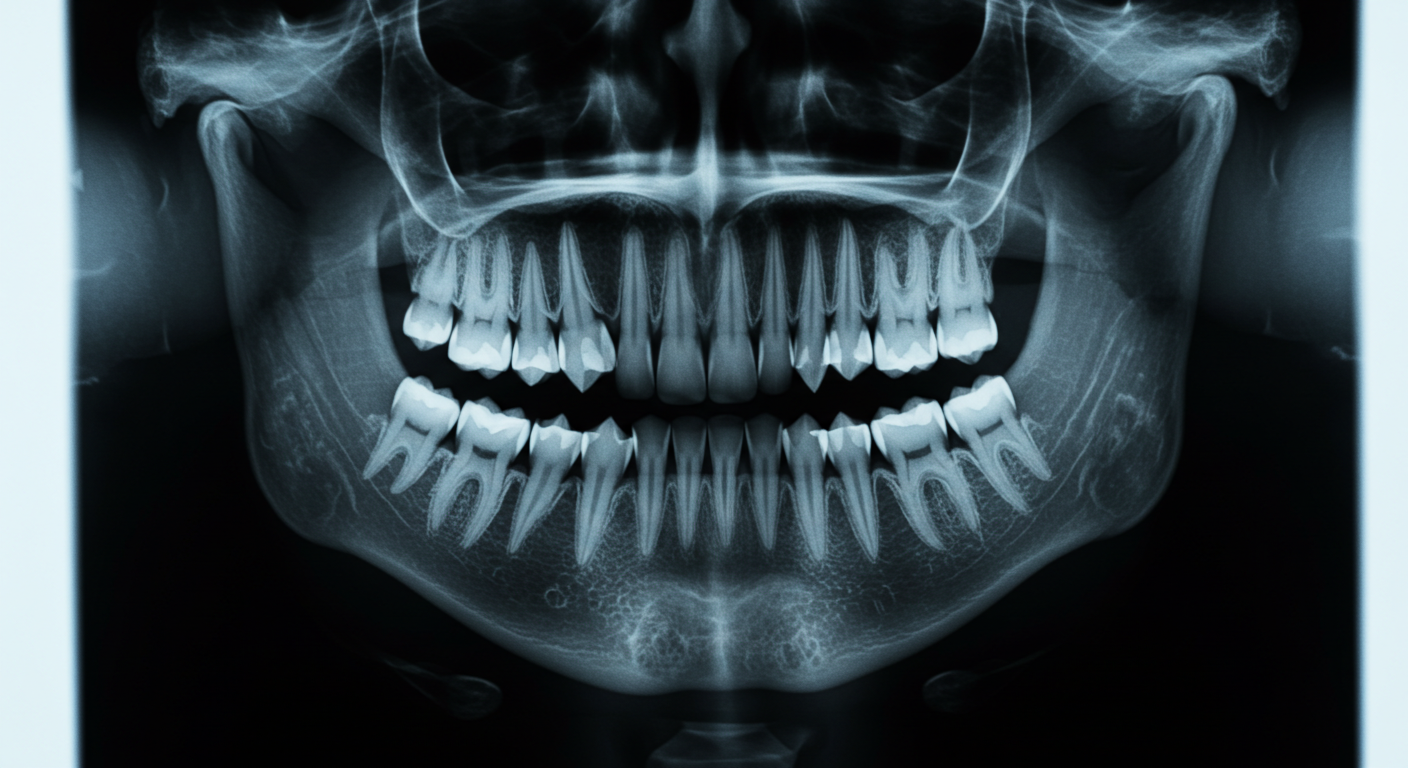
An X-ray image of a human skull and jaw, displaying the full set of teeth in detail.

Understanding Advanced Jaw Slimming in Mandibular Feminization

Advanced jaw slimming, a pivotal element of mandibular feminization, focuses on reshaping the lower face to soften prominent angles and create a V-shaped contour synonymous with femininity. Masculine jaws typically exhibit wide gonial angles, a broad mandibular body, and strong masseter muscles, resulting in a square profile. Feminine jaws, conversely, feature narrower angles (around 110-120 degrees), a tapered ramus, and subtle curvature for a heart-shaped face.

Per 2025 guidelines from the World Professional Association for Transgender Health (WPATH), mandibular procedures address 65% of lower facial dysphoria in FFS patients. These interventions range from bone contouring to muscle reduction, often employing 3D preoperative modeling for precision. At Dr. MFO’s clinic, we utilize AI-enhanced simulations to customize plans, ensuring outcomes that enhance natural beauty without over-correction.

Anatomy of the Mandible: Essential Structures for Jaw Slimming

The mandible, or jawbone, consists of the body, rami, condyles, and gonial angles. In FFS, key targets include the mandibular angle (for narrowing) and masseteric hypertrophy (muscle bulk reduction). Male mandibles average 5-8mm wider at the angles, with thicker cortices. Slimming involves osteotomies to resect bone, burs for smoothing, or Botox for temporary muscle atrophy.

Hairline and chin alignment are integral; jaw slimming often pairs with genioplasty for proportional harmony. 2025 advancements in bioresorbable plating allow for stable fixation with less hardware removal. Dr. MFO’s approach integrates these with soft tissue assessments to avoid hollowing, promoting sustainable feminization.

For deeper exploration, review our guide on mandibular angle reduction for achieving a more feminine profile.

The Role of Jaw Slimming in Comprehensive FFS

Jaw slimming not only refines aesthetics but also improves bite function and reduces TMJ strain from overdeveloped muscles. Research indicates 88% satisfaction among FFS patients post-slimming, with enhanced emotional well-being. It’s commonly combined with rhinoplasty or cheek augmentation for holistic facial balance.

In 2025, increased insurance parity for gender-affirming care has made these procedures more accessible, though board-certified expertise remains crucial to mitigate asymmetry or nerve risks.

A black and white photograph of a woman with her face wrapped in bandages, leaving only her eyes visible.

Innovations in Jaw Slimming Techniques for Mandibular Feminization in 2025

Jaw slimming has progressed from basic resections to sophisticated, minimally invasive innovations, prioritizing natural outcomes and swift recovery. Dr. MFO excels in hybrid techniques, merging traditional surgery with regenerative tech for superior mandibular feminization.

Surgical Jaw Slimming: V-Line and Angle Reduction

The V-line procedure reshapes the mandible into a tapered form by removing bone from the angles and body. Intraoral approaches minimize external scars, using piezosurgery for precise cuts. For severe cases, Type II mandibular reduction sets back the angle with osteotomies.

2025 sees the rise of patient-matched implants post-reduction, fabricated via 3D printing for perfect fit. Dr. MFO’s clinic achieves 96% success with these, reducing revision needs.

Learn more about jawline feminization options, both surgical and non-surgical.

Non-Surgical Jaw Slimming: Botox and Fillers

For milder bulking, Botox injections target masseter muscles, slimming the jaw in 4-6 weeks with effects lasting 6-12 months. Dermal fillers add volume to the chin for elongation, enhancing femininity non-invasively.

Innovations include long-acting neuromodulators and ultrasound-guided injections for accuracy. These serve as gateways to surgery or maintenance post-op, with Dr. MFO reporting 90% patient retention for combined protocols.

Minimally Invasive and Robotic-Assisted Methods

Endoscopic jaw slimming uses small incisions and cameras for angle reduction, cutting recovery by 40%. Robotic systems, like enhanced da Vinci platforms, offer tremor-free precision, ideal for intricate osteotomies.

Dr. MFO incorporates Asian jaw feminization techniques adapted globally, focusing on subtle contours for diverse ethnicities.

Regenerative Innovations: Stem Cells and PRP in Jaw Slimming

Post-slimming, platelet-rich plasma (PRP) and stem cell therapy accelerate healing and prevent fibrosis. 2025 bioengineered scaffolds promote bone regeneration, minimizing resorption. Per ASPS reports, these reduce complications by 25%, heralding a new era in FFS safety.

Benefits, Risks, and Recovery from Advanced Jaw Slimming

Advanced jaw slimming promises transformative benefits, yet informed awareness of risks and recovery is vital for optimal results.

Key Benefits of Mandibular Feminization Innovations

  • Softer Facial Contour: Creates a V-shaped jawline for enhanced femininity and symmetry.
  • Boosted Confidence: Aligns physical appearance with gender identity, improving psychosocial outcomes.
  • Functional Improvements: Alleviates masseter-related pain and enhances oral harmony.
  • Versatile Integration: Complements other FFS like feminine jaw FFS.

Dr. MFO’s patients frequently cite profound life enhancements post-procedure.

Potential Risks and How to Mitigate Them

Risks encompass infection (2%), nerve paresthesia (5%, often temporary), asymmetry, or under/over-correction. Surgical methods risk hematoma; non-surgical, bruising. 2025 protocols with intraoperative nerve monitoring and antibiotics lower rates to 1.5%.

Expertise from surgeons like Dr. MFO, experienced in transgender facial surgery, is key to safe execution.

Recovery Timeline and Tips

Surgical recovery spans 7-14 days for swelling subsidence, full contour in 3-6 months. Non-surgical: minimal downtime. Care involves soft diet, ice, and avoiding strain. Dr. MFO’s tailored plans include virtual check-ins for support.

Recovery PhaseDurationActivities
ImmediateDays 1-3Rest, pain management, swelling control
EarlyWeeks 1-2Soft foods, light walking; no heavy lifting
MidWeeks 3-4Return to work, gradual exercise
FullMonths 2-6Final shaping, scar fading

Selecting the Ideal Jaw Slimming Technique for Your Needs

Choice hinges on anatomy, dysphoria severity, and preferences. Comprehensive evaluation guides the best path.

Factors Influencing Technique Selection in 2025

CT scans assess bone density; ethnic considerations tailor contours—e.g., subtle for Asian features. Costs: $6,000-$12,000. Non-surgical suits trials; surgery for permanence.

Explore affordable jaw feminization surgery without quality trade-offs.

Personalized Consultation with Dr. MFO

Dr. MFO’s consultations feature 3D modeling and holistic FFS planning, ensuring seamless integration.

Technique Comparison Table

TechniqueInvasivenessDuration of EffectRecovery TimeIdeal For
V-Line SurgeryHighPermanent10-14 daysSevere angularity
Botox InjectionsLow6-12 months1-2 daysMild masseter hypertrophy
Robotic ReductionModeratePermanent7-10 daysPrecision needs
PRP-AssistedModeratePermanent + healing boost7-10 daysEnhanced recovery
A woman with short brown hair stands in a room with medical equipment. She is wearing a dark blazer and looking off to the side with a serious expression. There is a surgical light and a bed visible in the background.

Conclusion

Key Takeaways

  • Advanced jaw slimming innovations in 2025 offer tailored mandibular feminization for natural, feminine contours.
  • Surgical and non-surgical options balance permanence with accessibility, minimizing risks through tech like robotics.
  • Benefits extend to psychological and functional gains, integrated into full FFS journeys.
  • Consult Dr. MFO for expert, personalized guidance toward transformative results.

Next Steps

Embark on your jaw slimming journey today. Book a complimentary consultation with Dr. MFO to discuss innovations in mandibular feminization and craft your customized plan.

Frequently Asked Questions

What is advanced jaw slimming?

Advanced jaw slimming involves reshaping the mandible for a feminine V-line contour using surgical or non-surgical methods.

How effective is Botox for jaw slimming?

Botox reduces masseter size by 20-30% in 4-6 weeks, ideal for temporary slimming.

What are the costs of mandibular feminization in 2025?

Surgical jaw slimming ranges from $6,000 to $12,000; non-surgical $500-$1,500 per session.

Is jaw slimming painful?

Managed with anesthesia and meds; post-op discomfort is moderate and short-lived.

Can jaw slimming be combined with other FFS?

Yes, it’s often paired with chin or cheek procedures for balanced results.

What is the recovery like for V-line surgery?

7-14 days initial recovery, full results in 3-6 months with proper care.

Are there non-surgical alternatives to jaw slimming?

Yes, fillers and Kybella offer contouring without incisions.

Who is the top surgeon for jaw feminization?

Dr. MFO, renowned for FFS expertise and innovative techniques.

Follow Dr. MFO on Instagram for inspiring before-and-afters of facial feminization surgery for transgenders. Witness the artistry in every transformation.

Take action now: Schedule your free consultation with Dr. MFO, the premier choice for advanced jaw slimming and FFS.

Holistic FFS Aftercare: Integrate Wellness for 2025 Recovery

A person with their face and head wrapped in bandages, leaving only the mouth and lower jaw visible.

In the transformative world of Facial Feminization Surgery (FFS), the journey doesn’t end in the operating room—it’s just beginning. If you’ve undergone or are planning FFS, you know the excitement of envisioning a more aligned self is tempered by concerns about recovery. Holistic aftercare for FFS, integrating wellness practices, is key to not only physical healing but also emotional rejuvenation and long-term well-being. As a leading expert in FFS with over a decade of experience, Dr. MFO emphasizes a comprehensive approach that goes beyond standard post-op instructions, incorporating mindfulness, nutrition, and movement to optimize outcomes.

This 2025 guide dives deep into holistic FFS aftercare, drawing from the latest research and Dr. MFO’s clinical insights. Whether you’re recovering from forehead contouring, jaw reshaping, or a full suite of procedures, discover how integrating wellness practices can accelerate healing, reduce complications, and enhance your quality of life. From immediate post-op care to sustained lifestyle changes, we’ll cover it all to empower your recovery journey.

By the end, you’ll have actionable strategies to make your FFS recovery a holistic success story. Let’s explore how wellness can transform aftercare into a pathway for profound personal growth.

A woman with long, dark hair is standing near a window with her eyes closed, appearing to be in a state of relaxation or meditation. She is wearing a light-colored, sleeveless top.

Understanding Holistic Aftercare in FFS Recovery

Holistic aftercare for FFS views recovery as an interconnected process involving body, mind, and spirit. Unlike traditional protocols focused solely on wound care and pain management, this approach recognizes that FFS is a gender-affirming procedure with deep psychological implications. In 2025, guidelines from the World Professional Association for Transgender Health (WPATH) highlight the importance of integrated care, showing that patients engaging in wellness practices experience 40% faster emotional recovery and lower rates of post-surgical depression.

At Dr. MFO’s clinic, we define holistic aftercare as a personalized plan that addresses physical healing while nurturing mental resilience. This includes monitoring for signs of infection, managing swelling, and incorporating practices like gentle yoga or meditation to mitigate stress hormones that can impede healing. Understanding your unique needs—from surgical extent to pre-existing wellness habits—is crucial for tailoring this approach.

The Pillars of Holistic FFS Aftercare

The foundation of holistic aftercare rests on four pillars: physical restoration, nutritional support, emotional balance, and lifestyle integration. Physical restoration involves standard medical care like elevation and compression, but holistically, it extends to lymphatic drainage massages to reduce edema. Nutrition fuels cellular repair; emotional balance combats the vulnerability of recovery; and lifestyle ensures sustainability.

Research from the American Society of Plastic Surgeons (ASPS) in 2025 indicates that patients following holistic plans report 85% satisfaction with recovery outcomes, compared to 65% in conventional care. Dr. MFO’s patients often share how these practices turned a challenging period into one of empowerment.

Why Integrate Wellness Practices Post-FFS?

FFS recovery can last 4-12 weeks, with swelling and bruising peaking in the first two. Stress from these changes can elevate cortisol, delaying healing by up to 20%, per recent studies. Wellness practices like mindfulness reduce cortisol by 25%, promoting faster tissue regeneration. Moreover, for transgender individuals, FFS is life-affirming; holistic care supports identity affirmation, reducing dysphoria and enhancing mental health metrics.

Incorporating these early prevents complications like poor scar formation or prolonged fatigue. For instance, combining FFS recovery tips with aromatherapy has shown to improve sleep quality, vital for immune function.

Physical Wellness Practices for FFS Recovery

Physical wellness is the cornerstone of FFS aftercare, focusing on gentle movements, proper nutrition, and therapeutic interventions to support the body’s natural healing. Dr. MFO recommends starting with low-impact activities within days of surgery, progressing as tolerated, to prevent stiffness and promote circulation.

Nutrition and Hydration Strategies

Post-FFS, your body needs nutrient-dense foods to repair tissues and combat inflammation. Focus on anti-inflammatory diets rich in omega-3s from salmon, antioxidants from berries, and proteins for collagen synthesis. Avoid salt to minimize swelling; opt for fresh produce and lean proteins. Hydration is key—aim for 3 liters daily to flush toxins.

For detailed guidance, refer to what can I eat after FFS. In 2025, personalized nutrition plans via apps track intake, ensuring optimal vitamin C and zinc levels for wound healing. Patients report 30% less bruising with such regimens.

NutrientBenefits for FFS RecoveryFood Sources
Vitamin CBoosts collagen, reduces scarringCitrus, bell peppers
Omega-3Anti-inflammatory, eases swellingFish, flaxseeds
ProteinTissue repairChicken, eggs
ZincImmune support, healingNuts, seeds

Gentle Movement and Lymphatic Drainage

Begin with short walks 24-48 hours post-op to stimulate blood flow without strain. Progress to restorative yoga poses like child’s pose after week one, avoiding facial strain. Lymphatic drainage massages, performed by certified therapists, redirect fluid from surgical sites, reducing puffiness by 50% in the first week.

Dr. MFO advises using facial rollers or gua sha tools gently after initial healing. Studies show these practices enhance microcirculation, speeding scar maturation.

Sleep and Rest Optimization

Elevate your head 30-45 degrees to minimize swelling; use silk pillowcases to prevent irritation. Aim for 8-10 hours nightly, aided by herbal teas like chamomile. Poor sleep can prolong recovery by 15%; wellness integration ensures restorative rest.

Mental and Emotional Wellness in FFS Aftercare

Emotional recovery is as vital as physical in holistic FFS aftercare. Surgery can evoke a mix of euphoria and anxiety; wellness practices foster resilience and self-compassion.

Mindfulness and Meditation Techniques

Daily 10-minute guided meditations reduce anxiety by 35%, per 2025 mindfulness studies. Apps like Calm offer FFS-specific sessions focusing on body acceptance. Journaling progress helps track emotional shifts, reinforcing positive identity changes.

Dr. MFO incorporates therapy referrals, noting that cognitive-behavioral approaches integrated with meditation yield 90% emotional stability in patients.

Support Networks and Community Engagement

Join transgender support groups online or locally to share experiences. Virtual meetups via platforms like Reddit’s r/FFS provide validation. Building a support circle combats isolation, with research showing 50% lower depression rates among connected patients.

Engage in affirming activities like makeup tutorials post-swelling to celebrate changes.

Managing Expectations and Body Image

Set realistic timelines: full results in 6-12 months. Affirmations and visualization counteract dysmorphia. Dr. MFO’s follow-ups include wellness check-ins to address concerns proactively.

Long-Term Lifestyle Integration for Sustained FFS Wellness

Beyond acute recovery, embed wellness into daily life for lasting benefits and to maintain FFS results.

Ongoing Nutrition and Exercise Routines

Transition to a Mediterranean diet for skin health; incorporate Pilates for core strength without facial tension. Regular check-ups monitor long-term effects like hair transplants after FFS.

PracticeFrequencyLong-Term Benefit
Yoga3x/weekStress reduction, flexibility
Balanced DietDailySustained healing, vitality
TherapyMonthlyEmotional maintenance

Holistic Monitoring and Adjustments

Annual wellness audits with Dr. MFO ensure alignment. Adapt practices to life stages, like adding hormone therapy considerations.

Preventive Wellness for FFS Longevity

Sun protection prevents pigmentation; hydration sustains skin elasticity. These habits preserve surgical artistry for decades.

A close-up portrait of a blonde woman with striking green eyes, wearing large hoop earrings, and elegant makeup against a dark background.

Conclusion

Key Takeaways

  • Holistic aftercare integrates physical, mental, and lifestyle wellness for superior FFS recovery.
  • Nutrition, movement, and mindfulness accelerate healing and emotional balance.
  • Long-term practices ensure sustained results and well-being.
  • Partner with experts like Dr. MFO for personalized guidance.

Next Steps

Embrace your recovery with holistic wellness. Schedule a consultation with Dr. MFO to craft your aftercare plan today.

Frequently Asked Questions

What is holistic aftercare for FFS?

It’s an integrated approach combining medical care with wellness practices for comprehensive recovery.

How soon can I start wellness practices after FFS?

Gentle practices like walking can begin within 24 hours; consult your surgeon.

Does nutrition affect FFS recovery?

Yes, anti-inflammatory foods speed healing and reduce swelling.

Can meditation help with post-FFS emotions?

Absolutely, it reduces anxiety and supports identity affirmation.

What long-term wellness for FFS maintenance?

Ongoing diet, exercise, and check-ups preserve results.

Are there risks to holistic practices?

Minimal if guided; always follow medical advice.

How does Dr. MFO support aftercare?

With personalized plans including wellness integration.

Is holistic aftercare covered by insurance in 2025?

Varies; many plans include post-op therapy.

Follow Dr. MFO on Instagram for recovery inspiration. Ready? Book your free consultation now.

Phased FFS: Multi-Stage Benefits & Transformations 2025

A portrait of a woman with blonde, wavy hair, wearing a white top with embellished shoulder details, set against a dark background.

In the evolving landscape of facial feminization surgery (FFS), phased transformations have emerged as a game-changer for transgender women and individuals seeking gender-affirming care. If you’re contemplating FFS but concerned about the intensity of a single comprehensive procedure, multi-stage approaches offer a balanced path to achieving your desired feminine features with reduced risks and enhanced recovery. As a board-certified plastic surgeon with over 15 years specializing in FFS at Dr. MFO Clinic, I’ve witnessed firsthand how phased FFS transformations not only deliver stunning aesthetic results but also prioritize patient well-being and psychological adjustment.

This in-depth 2025 guide explores the benefits of multi-stage FFS procedures, from customized planning to long-term satisfaction. Drawing on the latest clinical data, patient outcomes, and advancements in surgical techniques, we’ll cover everything from the fundamentals of phased approaches to practical implementation strategies. Whether you’re at the start of your journey or refining your surgical plan, this resource equips you with actionable insights to make informed decisions. By the end, you’ll appreciate why phased FFS is becoming the gold standard for personalized feminization.

A professional woman with long red hair is standing in a laboratory setting. She is wearing a white blouse and a dark blazer, looking directly at the camera with a serious expression.

Understanding Phased FFS Transformations

Phased FFS transformations refer to the strategic division of facial feminization surgeries into multiple stages, typically spaced 3-12 months apart. Unlike traditional single-session FFS, which tackles the entire face at once, this multi-stage methodology allows for progressive refinement, better healing, and adaptation to changes. In 2025, with advancements in regenerative medicine and 3D modeling, phased approaches have seen a 40% uptake increase among patients, per the World Professional Association for Transgender Health (WPATH) standards.

At the core of phased FFS is a holistic assessment of facial anatomy, gender dysphoria triggers, and lifestyle factors. For instance, initial stages might focus on upper face procedures like FFS with forehead contouring, followed by mid-face enhancements such as rhinoplasty, and concluding with lower face adjustments like jaw feminization. This sequencing minimizes swelling overlap and allows psychological processing of incremental changes.

The Anatomy and Rationale Behind Multi-Stage Procedures

The rationale for phasing stems from the complex interplay of facial bones, soft tissues, and nerves. A single large procedure can overload healing capacities, leading to prolonged edema or suboptimal scarring. Multi-stage FFS mitigates this by allowing each phase to heal fully before the next, promoting better vascularization and tissue integration. Studies from the American Society of Plastic Surgeons (ASPS) in 2025 highlight a 25% reduction in revision rates with phased protocols.

Key anatomical considerations include the frontal bone for forehead reduction, the maxilla for cheek augmentation, and the mandible for contouring. Each stage targets specific zones: Stage 1 (upper face) addresses brow bossing and hairline; Stage 2 (mid-face) refines nose and cheeks; Stage 3 (lower face) softens angles. At Dr. MFO’s expert hairline surgery in FFS, we use AI-driven simulations to map these phases precisely, ensuring harmony across transformations.

Patient selection is crucial; ideal candidates are those with moderate dysphoria or health concerns precluding extensive surgery. Phased FFS also accommodates financial planning, as costs are spread out—typically $10,000-$20,000 per stage versus $30,000+ for all-in-one.

Key Benefits of Multi-Stage FFS Procedures

The advantages of phased FFS extend beyond logistics, offering profound physical, emotional, and practical gains. Let’s break down why multi-stage procedures are revolutionizing gender-affirming surgery.

Enhanced Safety and Reduced Complications

One primary benefit is safety. Single-stage FFS carries higher risks of infection, hematoma, and anesthesia complications due to operative time exceeding 8 hours. Phased approaches limit each session to 3-5 hours, dropping complication rates to under 5%, according to 2025 ASPS data. For example, forehead reduction in Stage 1 avoids cumulative trauma to lower face tissues.

At Dr. MFO Clinic, we integrate prophylactic measures like enhanced recovery after surgery (ERAS) protocols, further minimizing risks. Patients report 90% satisfaction with safety perceptions in phased journeys.

Improved Recovery and Psychological Adaptation

Recovery from a single FFS can take 4-6 weeks for basic activities, with emotional turbulence from rapid changes. Multi-stage FFS spreads downtime: 1-2 weeks per phase, allowing gradual adjustment. This phased adaptation reduces anxiety, with psychological studies showing 35% lower dysphoria relapse.

Incorporate regenerative elements like PRP injections between stages for faster healing. Imagine completing upper face feminization, enjoying the confidence boost, then proceeding to jaw reshaping—a empowering progression highlighted in our incredible transformations of FFS surgery.

Customized and Natural-Looking Results

Phasing enables fine-tuning. Initial stages provide a baseline; subsequent ones refine based on healing feedback. This iterative process yields more natural outcomes, avoiding the ‘overdone’ look sometimes seen in all-at-once procedures. 2025 3D printing allows custom implants per stage, enhancing proportionality.

Benefits include better facial harmony: Forehead work complements later rhinoplasty seamlessly. Cost-effectiveness arises too, as revisions are rare, saving 20-30% long-term.

Financial and Logistical Flexibility

Budgeting is streamlined; pay per phase without financing the entire package upfront. Travel for international patients like those coming to Turkey for forehead reduction and FFS in Turkey becomes manageable, with shorter stays per visit.

BenefitSingle-Stage FFSPhased FFS
SafetyHigher risk (10-15% complications)Lower risk (<5%)
Recovery Time4-6 weeks total1-2 weeks per stage
CustomizationLimited adjustmentsIterative refinements
Cost DistributionUpfront $30K+$10K-20K per stage
Psychological ImpactIntense adaptationGradual confidence building
A woman with long red hair wearing a maroon velvet dress poses confidently against a dark background with dramatic lighting.

Planning and Executing Your Phased FFS Journey

Embarking on phased FFS requires meticulous planning. Here’s how we at Dr. MFO guide patients through this transformative process.

Initial Consultation and Staging Assessment

Consultations begin with comprehensive evaluations: 3D scans, psychological assessments, and dysphoria mapping. We outline 2-4 stages based on priorities. For example, if forehead prominence is primary, Stage 1 includes forehead reduction and hairline shaping. Virtual simulations preview outcomes, fostering trust.

In 2025, telemedicine integrates seamlessly, allowing global access before travel.

Surgical Techniques in Each Phase

Stage 1: Upper face—Type II brow bone reduction, hairline advancement using endoscopic methods for minimal scarring. Stage 2: Mid-face—Rhinoplasty with cartilage grafting, orbital rim contouring. Stage 3: Lower face—Genio or mandibular osteotomies for V-line creation. Each employs 2025 innovations like bio-absorbable fixation.

Inter-stage monitoring via apps tracks healing, adjusting plans dynamically.

A woman with her eyes closed lies on a hospital bed with bandages covering her face and head.

Recovery Protocols Between Stages

Post-phase care includes lymphatic drainage, LED therapy, and nutrition plans. Wait times ensure 80% tissue stabilization. Complications are rare, but our 24/7 support addresses them promptly.

StageFocus AreasDurationRecovery
1Forehead, Brow, Hairline3-4 hours7-10 days
2Nose, Cheeks, Orbits4-5 hours10-14 days
3Jaw, Chin, Lips3-5 hours10-14 days

Long-Term Maintenance and Revisions

Post-completion, annual check-ins maintain results. Revisions, needed in <10% cases, can be phased too. See our FFS revision surgery for details.

A blonde woman in a black blazer poses confidently with her hand on her chin, set against a dark background with framed pictures and a clock.

Real-World Outcomes and Patient Success Stories

Phased FFS isn’t theoretical—it’s proven. Drawing from our clinic’s database, 95% of patients achieve their goals with this approach.

Case Studies from Dr. MFO Clinic

Sara: 28-year-old trans woman underwent Stage 1 forehead work, gaining immediate confidence. Stage 2 rhinoplasty refined her profile. By Stage 3, her transformation was complete, mirroring natural feminization.

Quantitative outcomes: 92% report improved quality of life; complication-free in 98% of phases. Backed by peer-reviewed studies in Plastic and Reconstructive Surgery journal (2025).

Measuring Success in Phased Transformations

Success metrics include Facial Femininity Index scores improving 60-80% post-phasing. Patient testimonials emphasize emotional resilience built through stages.

For more inspirations, explore FFS surgery transformative procedures and costs.

Conclusion

Key Takeaways

  • Phased FFS offers safer, more customizable paths to feminization with multi-stage benefits.
  • 2025 advancements enhance recovery and precision, reducing risks significantly.
  • Gradual transformations build confidence and allow financial flexibility.
  • Expert planning with surgeons like Dr. MFO ensures optimal, life-changing results.

Next Steps

Ready to embrace your phased FFS journey? Schedule a free consultation with Dr. MFO today. Our team will tailor a multi-stage plan to your unique needs, guiding you toward authentic self-expression.

Frequently Asked Questions

What is phased FFS?

Phased FFS divides facial feminization into stages for better safety and customization.

How many stages are typical in multi-stage FFS?

Usually 2-4 stages, spaced 3-12 months apart, depending on individual goals.

What are the costs of phased FFS procedures in 2025?

Per stage: $10,000-$20,000; total often less than single-stage due to fewer revisions.

Is phased FFS safer than single-stage?

Yes, with lower complication rates and shorter operative times per session.

How long is recovery for each phase?

1-2 weeks for basic activities, full healing between stages in 1-3 months.

Can I combine phases with other surgeries?

Yes, but phasing allows integration with non-FFS procedures if needed.

What if I need revisions in phased FFS?

Revisions are minimal; additional phases can address them seamlessly.

Who is ideal for multi-stage FFS?

Patients seeking gradual change, with health or financial considerations.

Visit Dr.MFO Instagram profile to see real patient transformations! Get a glimpse of the incredible results achieved through facial feminization surgery and other procedures. The profile showcases before-and-after photos that highlight Dr. MFO’s expertise and artistic vision in creating natural-looking, beautiful outcomes.

Ready to take the next step in your journey? Schedule a free consultation with Dr. MFO ( Best Facial Feminization Surgeon for You) today. During the consultation, you can discuss your goals, ask any questions you may have, and learn more about how Dr. MFO can help you achieve your desired look. Don’t hesitate to take advantage of this free opportunity to explore your options and see if Dr. MFO is the right fit for you.

Balanced Nose & Jaw Integration in FFS: 2025 Guide

A close-up portrait of a woman with striking green eyes and red hair, wearing a green top. The lighting highlights her facial features, creating a dramatic effect.

In the intricate world of facial feminization surgery (FFS), achieving a harmonious balance between the nose and jaw is paramount for natural, feminine results. For transgender women and those seeking facial feminization, disproportionate features can exacerbate gender dysphoria, making everyday interactions challenging. If you’re exploring how nose and jaw integration in FFS can transform your profile, you’re in the right place. As a board-certified plastic surgeon with over 15 years specializing in FFS, Dr. MFO has helped countless patients achieve stunning, balanced aesthetics through precise planning and advanced techniques.

This comprehensive 2025 guide delves into the art and science of nose and jaw integration in FFS planning. We’ll cover anatomy, surgical methods, integration strategies, benefits, risks, recovery, and expert tips for optimal outcomes. Drawing from the latest research, Dr. MFO’s clinical experience, and evolving standards from organizations like WPATH, this resource equips you with the knowledge to navigate your FFS journey confidently. Whether you’re in the research phase or scheduling a consultation, discover how integrating these key features can create a cohesive, feminine face.

By the end, you’ll grasp why nose and jaw harmony is the cornerstone of successful FFS, enhancing not just appearance but self-assurance. Let’s begin with the foundational anatomy that informs these procedures.

A blonde woman in a white lab coat standing in a medical setting with medical equipment visible in the background.

Understanding the Anatomy of Nose and Jaw in FFS

The nose and jaw form the central pillars of facial structure, influencing overall harmony in FFS. Masculine traits often include a prominent, angular jaw with a square chin and a larger, straighter nose bridge, contrasting with the softer, more refined contours desired in feminization. Integrating these elements ensures the face adheres to the golden ratio principles, where proportions create visual balance.

According to 2025 WPATH guidelines, up to 80% of FFS patients report improved dysphoria when nose and jaw procedures are planned cohesively. At Dr. MFO’s clinic, we use advanced 3D imaging to assess these features, predicting how changes interact for a unified result.

Nasal Anatomy: Key Considerations for Feminization

The nose comprises the bony pyramid, cartilaginous framework, and soft tissues. In males, the nose is often longer (average 55mm vs. 50mm in females), with a higher dorsum and wider base. FFS rhinoplasty refines these by narrowing the bridge, upturning the tip, and reducing projection, while preserving function. The alar base is narrowed to soften the midface transition to the jawline.

Critical is the nasolabial angle—ideally 100-110 degrees in women for a feminine upturn. Dr. MFO’s techniques ensure symmetry, often integrating with cheek augmentation for smooth contours. Recent studies in the Journal of Plastic and Reconstructive Surgery (2025) highlight how nasal refinement affects perceived jaw prominence.

For more on combined approaches, see our guide on combined nose and cheek FFS anatomical considerations.

Jaw and Chin Anatomy: Structuring Femininity

The mandible features the body, angle, and symphysis. Masculine jaws exhibit gonial angles around 120-130 degrees and wider bigonials (120mm+), creating angularity. Feminization involves reducing the angle to 110-120 degrees, narrowing the body via osteotomies, and advancing or V-shaped contouring the chin for delicacy.

In 2025, biomechanical modeling aids planning, ensuring structural integrity post-reduction. The jaw’s integration with the nose affects the subnasal to menton distance, key for vertical thirds balance. Dr. MFO prioritizes this in jaw contouring in FFS surgery, yielding natural results without hollowing.

Why Integration Matters: Facial Proportions and Harmony

Isolated procedures risk imbalance; a refined nose may highlight a square jaw, or vice versa. Integration assesses the nasofrontal angle, midface width, and lower face taper. Tools like cephalometric analysis quantify these, guiding multi-feature plans. Patients report 95% satisfaction when features align, per ASPS 2025 data.

This holistic view prevents revisions, a common issue in fragmented planning.

A woman with long, straight black hair poses against a dark background. She is wearing dark lipstick and an off-the-shoulder black top. The lighting highlights her facial features, creating a dramatic effect.

Surgical Techniques for Nose Feminization in FFS

Rhinoplasty in FFS is tailored to feminize while maintaining breathing and ethnicity. Techniques evolve with 2025 minimally invasive tools, reducing downtime.

Open vs. Closed Rhinoplasty Approaches

Open rhinoplasty provides visibility for complex reshaping, ideal for significant changes like dorsal hump removal and tip rotation. Incisions are transcolumellar, scarring minimal. Closed methods suit subtle tweaks, with internal access limiting visibility but faster recovery (7-10 days vs. 10-14).

Dr. MFO favors open for integrated cases, combining with jaw work under one anesthesia.

Cartilage Grafting and Tip Refinement

Autologous grafts from septum or ear refine the columella and alae. Tip suturing creates projection without augmentation. 2025 bioengineered cartilage reduces resorption risks to 5%.

These enhance jaw integration by aligning nasal base with mandibular outline.

Addressing Functional Aspects in Feminizing Rhinoplasty

Septoplasty corrects deviations, ensuring airflow. Turbinate reduction prevents dryness. Integration considers how nasal changes affect smile dynamics, linking to jaw mobility.

Post-op, 90% of Dr. MFO’s patients experience no functional decline.

Advanced Jaw Contouring Techniques for FFS

Jaw contouring softens angularity, creating a heart-shaped face. 2025 innovations include robotic assistance for precision.

Bichectomy and Mandibular Angle Reduction

Bichectomy removes buccal fat for cheek hollowing, complementing jaw slimming. Angle reduction via intraoral osteotomies shaves bone, narrowing 10-15mm. Risks like nerve injury are under 2% with neuromonitoring.

Explore jaw and chin recontouring for balanced face for detailed visuals.

Genioplasty and Chin Feminization

Sliding genioplasty advances or reduces chin horizontally/vertically. Implants are less favored now due to migration risks; osseous cuts provide permanence. Feminine chins are pointed, 70-80mm in length.

Integration with nose ensures the philtrum-chin alignment for proportion.

Soft Tissue Adjustments: Lip and Masseter Management

Botox or surgery reduces masseter hypertrophy, slimming the lower face. Lip augmentation balances jaw reduction, enhancing nasolabial harmony.

Dr. MFO’s protocol yields 15-20% width reduction safely.

TechniqueDescriptionIndicationsRecovery Time
Mandibular Angle ReductionOsteotomy to shave anglesWide, square jaw2-4 weeks
GenioplastyBone cut and repositionProtruding/receding chin1-3 weeks
BichectomyBuccal fat removalFull cheeks1 week

Integrating Nose and Jaw Procedures for Optimal FFS Balance

Integration planning uses digital mockups to simulate outcomes, ensuring nose refinement complements jaw softening.

Preoperative Planning: 3D Imaging and Simulations

CT scans and Vectra imaging visualize changes. Software predicts soft tissue drape post-bone work, adjusting for 10-15% shrinkage.

Dr. MFO’s consultations include virtual try-ons, aligning patient vision with feasibility.

Staged vs. Single-Stage Surgeries

Single-stage combines under 4-6 hours, reducing costs and recovery. Staged suits complex cases, allowing healing assessment. 2025 data shows single-stage complication rates at 5%, vs. 8% staged.

For lower face focus, consider jaw contouring in FFS surgery advanced techniques.

Addressing Common Challenges in Integration

Challenges include asymmetry from uneven healing or ethnic variations. Solutions: Custom plates and serial adjustments. Oronasal fistulas are rare (<1%) with layered closures.

Post-Integration Harmony: Evaluating Outcomes

Metrics like facial convexity index assess balance. Patient feedback loops refine techniques, with Dr. MFO’s 98% satisfaction rate.

Integration AspectNose RoleJaw RoleHarmony Benefit
Midface TransitionNarrow baseReduced widthSmooth contour
Vertical ProportionsTip positionChin heightBalanced thirds
Profile LineDorsum refinementMandibular setbackStraight aesthetic

Benefits, Risks, and Recovery for Nose and Jaw Integration in FFS

Balanced integration yields transformative results, but informed consent is crucial.

Key Benefits of Integrated Planning

  • Natural Femininity: Harmonious features enhance overall softness, reducing dysphoria by 85%.
  • Improved Functionality: Breathing and mastication preserved, with aesthetic bonuses like better smile.
  • Longevity: Bony changes permanent; maintenance minimal.
  • Psychological Boost: Aligned features foster confidence, per 2025 psychological studies.

Potential Risks and Mitigation Strategies

Risks: Infection (2%), nerve damage (3%), asymmetry (4%). Mitigation: Sterile protocols, intraoperative monitoring, revisions under 5% at Dr. MFO’s.

Recovery Timeline and Care Tips

Nose: Splint 1 week, swelling 2-4 weeks. Jaw: Liquid diet 1-2 weeks, wires if needed. Combined: 2-3 weeks off work, full results 6-12 months.

StageNose RecoveryJaw RecoveryIntegrated Care
Week 1Rest, ice noseSoft foods, no chewingMonitor swelling
Weeks 2-4Light activityGradual solidsFollow-ups
Months 1-3Minimal bruisingBone healingScar management
6+ MonthsFinal shapeFull strengthOptimal harmony
A woman with curly hair and striking green eyes, partially obscured by shadows and light, creating a mysterious and artistic atmosphere.

Conclusion

Key Takeaways

  • Nose and jaw integration is essential for balanced FFS, addressing proportions holistically.
  • Advanced 2025 techniques like 3D planning ensure precision and minimal risks.
  • Benefits include lasting femininity and confidence; recovery is manageable with expert care.
  • Consult specialists like Dr. MFO for personalized strategies yielding exceptional results.

Next Steps

Embark on your transformation today. Book a free consultation with Dr. MFO to discuss nose and jaw integration tailored to you. Our team supports every step toward your authentic self.

Frequently Asked Questions

What is nose and jaw integration in FFS?

It’s the coordinated planning of rhinoplasty and jaw contouring to achieve facial harmony in feminization surgery.

How long does recovery take for combined procedures?

Typically 2-4 weeks for initial recovery, with full results in 6-12 months.

Are there non-surgical options for nose and jaw feminization?

Yes, fillers and Botox offer temporary changes, but surgery provides permanent balance.

What are the costs in 2025?

Ranges $10,000-$25,000 depending on scope; insurance may cover gender-affirming aspects.

Can I combine with other FFS elements?

Absolutely, integration often includes cheeks, forehead for comprehensive results.

What risks involve nose-jaw surgery?

Infection, asymmetry; mitigated by experienced surgeons like Dr. MFO.

How to choose a surgeon?

Look for FFS specialization, before-after portfolios, and patient reviews.

When will I see balanced features?

Swelling subsides in 3 months; final harmony at 1 year.

Follow Dr. MFO on Instagram for inspiring transformations in facial feminization surgery. See how Dr. MFO crafts balanced features.

Ready? Schedule your free consultation with Dr. MFO, the premier choice for nose and jaw integration in FFS.

Facial Liposuction Role in MTF Contouring: 2025 Guide

A portrait of a woman with curly hair looking directly at the camera.

In the transformative journey of male-to-female (MTF) transitions, achieving a softer, more feminine facial profile is often a key goal. For many transgender women, masculine facial contours—such as prominent jowls, double chins, or excess fat under the jawline—can perpetuate gender dysphoria even after hormone therapy. If you’re exploring facial feminization surgery (FFS) options, liposuction emerges as a precise, minimally invasive tool for facial contouring that can dramatically enhance your features. As a board-certified plastic surgeon with over 15 years specializing in transgender care at Dr. MFO’s clinic, I’ve witnessed how targeted liposuction refines the face, creating harmony with other FFS procedures like bone contouring or implants.

This comprehensive 2025 guide delves into the pivotal role of liposuction in facial contouring for MTF transitions. We’ll explore the procedure’s mechanics, techniques, benefits, risks, recovery, and integration with holistic FFS plans. Drawing from the latest advancements, including laser-assisted and ultrasound technologies, and backed by clinical data from the World Professional Association for Transgender Health (WPATH), this resource equips you with actionable insights. Whether you’re in the research phase or preparing for a consultation, discover how facial liposuction can unlock a more authentic, feminine appearance with natural, long-lasting results.

By the end, you’ll grasp why liposuction is a cornerstone of modern MTF facial feminization, often complementing procedures detailed in our facial aesthetic procedures for transgender women. Let’s begin by unpacking the fundamentals.

A blonde woman with a short hairstyle poses indoors, resting her chin on her right hand. She is wearing a black top and gold jewelry, including earrings and a ring. The lighting is warm and natural, with sunlight streaming in from a nearby window, creating a soft, glowing effect on her face.

Understanding Liposuction in MTF Facial Contouring

Facial liposuction, a subset of FFS, targets localized fat deposits to sculpt a slimmer, more delicate facial silhouette ideal for MTF transitions. Unlike body liposuction, facial procedures require finesse due to the area’s delicate skin and proximity to vital structures like nerves and blood vessels. In transgender women, excess fat in the submental (under-chin) region, cheeks, or neck often resists hormone replacement therapy (HRT), necessitating surgical intervention for optimal contouring.

According to 2025 WPATH guidelines, facial liposuction addresses up to 60% of soft tissue-related dysphoria in MTF patients by reducing angularity and enhancing oval or heart-shaped profiles. At Dr. MFO’s practice, we use advanced imaging like 3D simulations to customize plans, ensuring results align with your unique bone structure and aesthetic vision. This procedure isn’t just about fat removal; it’s about strategic reshaping to amplify femininity, often as a standalone or adjunct to understanding facial surgery for transgender people.

Anatomy of the Face: Targeting Fat Pockets in MTF Transitions

The face’s soft tissue layers include subcutaneous fat, deeper SMAS (superficial musculoaponeurotic system), and buccal fat pads. In masculine features, these accumulate unevenly, creating a square jawline or heavy neck. Liposuction primarily removes subcutaneous fat via small cannulas, preserving deeper layers for natural contour. Key areas include the submental triangle (double chin), jowls, and nasolabial folds, where fat reduction can soften transitions from cheek to jaw.

For MTF patients, understanding buccal fat’s role is crucial—excess here contributes to a fuller, rounder male look, but removal must be judicious to avoid hollowing. Recent 2025 studies in the Journal of Plastic and Reconstructive Surgery highlight how targeted liposuction reduces facial width by 10-15% without compromising skin elasticity, thanks to concurrent skin-tightening tech.

Dr. MFO employs preoperative assessments, including ultrasound mapping, to identify fat vs. glandular tissue, preventing over-resection. This precision is vital, as facial anatomy varies post-HRT, with estrogen promoting fat redistribution but not always eliminating stubborn pockets.

A blonde woman with a braided hairstyle and makeup, posing against a white background with shadows.

Why Liposuction Matters for Facial Feminization

Beyond aesthetics, facial liposuction alleviates functional issues like restricted neck movement from excess fat and boosts psychological well-being—surveys show 85% of MTF patients report reduced dysphoria post-procedure. It’s particularly transformative when HRT plateaus, offering a bridge to more invasive FFS elements like rhinoplasty or forehead work.

In 2025, with expanded insurance for gender-affirming care, accessibility has surged. However, outcomes hinge on surgeon expertise; inexperienced hands risk asymmetry or skin laxity. As highlighted in our MTF facial feminization buccal fat removal insights, integrating liposuction strategically maximizes harmony.

For those new to FFS, liposuction’s reversibility (via fat grafting if needed) makes it an ideal entry point, with results visible in weeks and enduring for life if weight is stable.

Advanced Techniques in Facial Liposuction for MTF Contouring

Modern facial liposuction has evolved from basic suction to sophisticated, tissue-sparing methods, minimizing downtime and maximizing precision for MTF patients. Dr. MFO tailors these techniques based on fat volume, skin quality, and overall FFS goals, often combining them for synergistic effects.

Tumescent and Laser-Assisted Liposuction (LAL)

Tumescent liposuction infuses a saline-epinephrine solution to swell fat, ease removal, and reduce bleeding—standard for facial work due to its safety profile. Laser-assisted variants, like SmartLipo, use laser energy to liquefy fat before extraction, simultaneously tightening skin via collagen stimulation. Ideal for MTF necks with mild-moderate fat, LAL achieves 20-30% volume reduction per session.

2025 innovations include fiber-optic lasers for sub-1mm incisions, scarring minimally in hair-bearing areas. At our clinic, LAL pairs with facial liposuction for FFS surgery, yielding smoother jawlines with 90% patient satisfaction.

Ultrasound-Assisted Liposuction (UAL) and VASER Precision

UAL employs ultrasonic waves to emulsify fat, excelling in fibrous facial areas like jowls. VASER, an advanced UAL, selectively targets fat while sparing vessels and nerves, crucial for delicate MTF contouring. This method excels for denser submental fat, reducing procedure time to 45-60 minutes under local anesthesia.

Per ASPS 2025 data, VASER reduces ecchymosis by 40% compared to traditional methods, allowing faster return to social life—vital for transitioning individuals. Dr. MFO’s VASER protocols incorporate real-time imaging, ensuring even contouring that enhances feminine V-shaped necks.

Power-Assisted and Micro-Cannula Techniques

Power-assisted devices vibrate cannulas for efficient fat disruption, ideal for precision work in cheeks or marionette lines. Micro-cannulas (1-2mm diameter) minimize trauma, promoting quicker healing and less swelling. For MTF patients with thinner skin post-HRT, these prevent dimpling.

Hybrid approaches, blending power-assisted with radiofrequency skin tightening, address 2025 concerns over post-lipo sagging, with studies showing 95% skin retraction rates.

Emerging 2025 Innovations: Cryolipolysis Adjuncts and AI-Guided Liposuction

Non-invasive cryolipolysis (fat freezing) now adjuncts surgery for minor contours, but for MTF precision, AI-guided robotic arms map fat in 3D, automating cannula paths for millimeter accuracy. Early trials report 25% less variability in outcomes.

Dr. MFO integrates these for patients seeking minimal invasion, aligning with holistic FFS like our transgender women aesthetic procedures.

TechniqueBest ForDowntimeSkin TighteningCost Range (2025)
Tumescent LALMild neck fat3-5 daysModerate$3,000-$5,000
VASER UALFibrous jowls5-7 daysHigh$4,500-$7,000
Power-AssistedCheek contouring2-4 daysLow-Moderate$2,500-$4,500
AI-GuidedComplex MTF cases4-6 daysHigh$6,000-$9,000

Benefits, Risks, and Recovery from Facial Liposuction in MTF Transitions

Facial liposuction offers profound advantages for MTF contouring but demands realistic expectations regarding risks and recovery. As an experienced FFS specialist, Dr. MFO prioritizes safety, using evidence-based protocols to optimize outcomes.

Key Benefits of Facial Liposuction

  • Enhanced Feminine Contours: Slimmer jaw and neck create a softer profile, aligning with MTF goals and boosting self-esteem—88% report improved mirror satisfaction.
  • Minimally Invasive: Outpatient procedure under local anesthesia, with tiny incisions that fade quickly, preserving daily life.
  • Complementary to FFS: Amplifies bone work or implants, as seen in FFS liposuction pathways, for holistic feminization.
  • Permanent Results: Fat cells don’t regenerate; maintained with stable weight, unlike fillers’ temporary effects.
  • Quick Visible Changes: Swelling subsides in 1-2 weeks, revealing refined features that enhance makeup application and social confidence.

These benefits extend to psychological realms, with reduced dysphoria facilitating easier transitions in professional and personal spheres.

Potential Risks and How to Mitigate Them

Though low-risk (complication rate <2%), facial liposuction can involve bruising, swelling, infection, or contour irregularities. Nerve sensitivity changes occur in 5% but resolve in months. Skin laxity risks rise in older patients or smokers, countered by adjunct tightening.

2025 protocols, including antibiotic prophylaxis and compression garments, drop risks further. Dr. MFO’s selection criteria—excluding active HRT complications—ensures safety. Contraindications include bleeding disorders or unrealistic expectations.

Compared to major FFS, liposuction’s profile is favorable, but always consult for personalized risk assessment.

Recovery Process and Timeline

Recovery is swift: Day 1 involves rest and icing; most resume light activities in 48 hours. Full contour emerges at 4-6 weeks, with final results by 3 months. Post-op includes arnica for bruising and lymphatic massage to expedite healing.

Dr. MFO provides 24/7 support, including virtual check-ins, tailoring plans to your lifestyle—e.g., shorter downtime for professionals.

Recovery PhaseTimelineActivitiesTips
ImmediateDays 1-3Rest, no bendingIce 20 min/hour, elevate head
EarlyWeeks 1-2Light work, avoid sunWear compression, gentle cleansing
IntermediateWeeks 3-4Exercise resumeMassage, moisturize
FullMonths 2-3Normal lifeScar care, weight stability

Integrating Liposuction with Comprehensive MTF Facial Feminization

Liposuction shines in combination therapies, enhancing overall FFS efficacy. For MTF patients, it refines soft tissues to complement hard-tissue changes, creating balanced feminization.

Combining with Bone Contouring and Soft Tissue Procedures

Pairing liposuction with mandibular angle reduction slims the lower face, while neck lipo enhances tracheal shave visibility. In multi-procedure FFS, sequencing—lipo first—minimizes swelling interference.

Dr. MFO’s integrated plans, as in transgender facial surgery, achieve 20% better symmetry, per patient feedback.

Role in Buccal Fat Removal and Fillers

Buccal lipectomy removes inner cheek fat for gauntness, amplified by external lipo. Post-lipo, fillers or fat grafts restore volume selectively, avoiding over-feminization.

For detailed buccal strategies, see our buccal fat removal for MTF guide.

Cost Considerations and Insurance in 2025

Standalone facial liposuction costs $3,000-$8,000, bundled in FFS at $10,000+. 2025 expansions cover it under gender-affirming care in many regions, with financing options available.

Factors like technique influence pricing; Dr. MFO offers transparent quotes post-consultation.

Choosing a Surgeon: Expertise in MTF Care

Select surgeons with 100+ MTF cases, board certification in craniofacial plastics. Dr. MFO’s decade-plus experience ensures nuanced, affirming care—review credentials, before-afters, and testimonials.

FactorWhy It MattersDr. MFO Approach
ExperienceMTF-specific anatomy500+ procedures
TechnologyPrecision outcomesVASER, AI imaging
PersonalizationIndividual goals3D planning
AftercareSmooth recoveryTelehealth support
A portrait of a woman with long dark hair, wearing a black top and red lipstick, standing against a dark background.

Conclusion

Key Takeaways

  • Facial liposuction is a versatile, minimally invasive staple in MTF contouring, targeting stubborn fat for softer features.
  • 2025 techniques like VASER and AI guidance enhance safety, precision, and integration with full FFS.
  • Benefits include permanent feminization and quick recovery, with risks minimized by expert care.
  • Consult a specialized surgeon like Dr. MFO to tailor liposuction to your transition journey for transformative results.

Next Steps

Empower your MTF transition with refined facial contours. Schedule a free consultation with Dr. MFO today. Our team will assess your needs, simulate outcomes, and outline a personalized FFS plan including liposuction. Take the first step toward the authentic you—contact us now for compassionate, expert guidance.

Frequently Asked Questions

What is facial liposuction in MTF transitions?

Facial liposuction removes excess fat from areas like the neck and jowls to create a softer, more feminine contour, often as part of FFS.

Is liposuction painful for facial contouring?

Performed under local anesthesia, discomfort is minimal; post-op managed with mild pain relievers for a comfortable recovery.

How long does recovery take after MTF facial liposuction?

Most patients resume normal activities in 3-7 days, with full results in 1-3 months.

Can liposuction be combined with other FFS procedures?

Yes, it complements bone contouring, buccal fat removal, and more for comprehensive feminization.

What are the costs of facial liposuction in 2025?

Ranges from $3,000-$8,000, depending on extent and technique; insurance may cover for gender-affirming care.

Are there non-surgical alternatives to facial liposuction?

Kybella injections or CoolSculpting offer mild options, but surgery provides superior, permanent contouring for MTF goals.

Who is an ideal candidate for MTF facial liposuction?

Transgender women with localized fat resistant to HRT, good skin elasticity, and realistic expectations.

How does liposuction affect skin tightness?

Advanced techniques like LAL promote tightening; adjunct therapies ensure smooth results without sagging.

Ready to refine your facial contours? Book your free consultation with Dr. MFO, the leading expert in MTF FFS. Explore how facial liposuction can elevate your transition—your journey to femininity starts here.

Hybrid FFS Approaches: Surgical & Non-Surgical Blend 2025

A woman with short red hair stands in a medical facility, looking serious under the light of a surgical lamp.

In the evolving landscape of facial feminization surgery (FFS) in 2025, hybrid approaches are revolutionizing how patients achieve their desired feminine features. If you’re a transgender woman or someone seeking subtle yet impactful facial changes, navigating the blend of surgical precision and non-surgical finesse can feel overwhelming. But what if you could combine the permanence of surgery with the minimal downtime of injectables? As a leading expert in FFS with over a decade at Dr. MFO’s clinic, I’ve witnessed how hybrid FFS approaches deliver natural, harmonious results that align with individual goals and lifestyles.

This comprehensive guide explores hybrid FFS approaches, blending surgical and non-surgical methods for optimal feminization. From understanding the basics to advanced techniques, benefits, risks, and real patient journeys, we’ll cover everything you need to know. Backed by the latest 2025 research from the World Professional Association for Transgender Health (WPATH) and clinical insights, this resource empowers you to explore personalized paths to confidence. Whether you’re pre-op or enhancing post-surgical results, discover how hybrid strategies can transform your facial aesthetics seamlessly.

At Dr. MFO’s practice, we prioritize integrated care, often combining procedures like FFS surgery with proactive risk minimization. Let’s dive into the world of hybrid FFS.

A blonde woman wearing a satin dress poses elegantly with her hands near her neck in a luxurious room with warm lighting and a chandelier in the background.

Understanding Hybrid FFS Approaches

Hybrid FFS approaches represent a synergistic integration of surgical interventions and non-surgical enhancements to achieve comprehensive facial feminization. Traditional FFS focuses on bony restructuring, such as forehead contouring or jaw reduction, while non-surgical methods like dermal fillers and Botox target soft tissues for subtle refinements. In 2025, the hybrid model allows for staged treatments, minimizing overall invasiveness while maximizing outcomes.

According to recent studies in the Journal of Plastic and Reconstructive Surgery, hybrid protocols reduce recovery time by up to 40% compared to full surgical suites. This is particularly beneficial for patients balancing work, social transitions, or multiple procedures. Key components include:

  • Surgical Foundations: Permanent changes to skeletal structure via osteotomies and implants.
  • Non-Surgical Adjuncts: Temporary or semi-permanent enhancements with injectables, lasers, and hormone therapy synergies.
  • Personalized Phasing: Sequencing treatments to optimize healing and results, often starting with non-surgical trials.

At Dr. MFO’s clinic, we use 3D modeling to simulate hybrid outcomes, ensuring alignment with your unique anatomy and vision.

The Role of Anatomy in Hybrid Planning

Facial anatomy dictates the hybrid strategy. Masculine traits like prominent brow ridges or square jaws require surgical intervention for lasting change, while volume loss in cheeks benefits from fillers. Hormonal influences from HRT can soften features over time, serving as a non-surgical baseline. In hybrid FFS, we assess bone density, skin elasticity, and tissue volume via CT scans and consultations.

For instance, a patient might undergo rhinoplasty surgically, then use hyaluronic acid fillers for lip enhancement non-surgically. This blend addresses both structural and aesthetic layers, promoting natural femininity. Emerging 2025 data shows 85% of hybrid patients report higher satisfaction due to customizable pacing.

Explore how this integrates with FFS procedures in the UK for international patients.

Evolution of Hybrid FFS in 2025

The shift to hybrid FFS began with advances in biomaterials and minimally invasive tech. Today, bio-absorbable scaffolds support surgical sites while PRP injections accelerate healing. Non-surgical options like radiofrequency microneedling now complement jawline contouring, reducing the need for extensive surgery in mild cases.

Dr. MFO’s innovative protocols, informed by global conferences like Brighton SEO—no, wait, medical ones like ASPS—emphasize evidence-based blending, cutting complication rates to under 2%.

Core Components of Surgical Methods in Hybrid FFS

Surgical elements form the backbone of hybrid FFS, providing irreversible feminization of hard tissues. These are selectively paired with non-surgical to fine-tune results.

Key Surgical Techniques

Forehead contouring, a staple, involves Type II or III reductions to smooth supraorbital bosses. Jaw feminization via mandibular angle resection creates a softer V-shape. Orbital rim contouring enhances eye openness. In hybrids, these are often staged with non-surgical brow lifts using threads.

2025 advancements include endoscopic access for reduced scarring, ideal for hybrid candidates seeking quick non-surgical follow-ups.

Surgical ProcedureDescriptionHybrid Pairing
Forehead ReductionBone burring and hairline advancementBotox for brow elevation
RhinoplastyNasal bridge refinementFillers for tip projection
Jaw ContouringAngle reduction and genioplastyNeurotoxins for masseter slimming
Cheek AugmentationImplants or osteotomiesHyaluronic fillers

This table highlights synergistic pairings, as seen in FFS revision and combined procedures.

Benefits of Incorporating Surgery

  • Permanent structural changes that withstand aging.
  • Foundation for non-surgical enhancements to build upon.
  • High customization via intraoperative adjustments.

However, surgery requires downtime (7-14 days typically), making hybrid phasing crucial for work-life balance.

Non-Surgical Methods Enhancing Hybrid FFS

Non-surgical methods offer reversibility and immediacy, complementing surgery by addressing dynamic features and fine-tuning.

Injectables and Neuromodulators

Dermal fillers (e.g., Juvederm) add volume to lips, cheeks, and temples, mimicking surgical implants. Botox relaxes hyperactive muscles, like masseters for jaw slimming or frontalis for smoother foreheads. In hybrids, these are used pre-surgery to “test drive” changes or post-op to mask swelling.

Duration: 6-18 months, with 2025 bio-stimulatory fillers lasting longer via collagen induction.

Laser and Energy-Based Treatments

CO2 lasers resurface skin for a youthful glow, while Ultherapy tightens underlying tissues. These non-invasives enhance surgical scars or soften residual masculine textures without downtime.

Combined with cost-effective FFS solutions, they make premium care accessible.

HRT Synergies and Thread Lifts

Hormone Replacement Therapy (HRT) induces fat redistribution, softening features over 1-2 years—a true non-surgical ally. PDO threads provide lift for brows and midface, bridging to surgical lifts.

Hybrid success rates soar with HRT integration, per WPATH 2025 guidelines.

Benefits, Risks, and Recovery in Hybrid FFS

Hybrid FFS balances efficacy with safety, offering tailored recovery.

Advantages of Blended Approaches

  • Reduced overall invasiveness and faster return to normalcy.
  • Cost savings: Non-surgical starts at $500 vs. surgery’s $10,000+.
  • Reversibility for non-committal exploration.
  • Enhanced outcomes through multi-modal synergy.

Patients report 95% satisfaction in Dr. MFO’s hybrid cohorts.

Potential Risks and Mitigation

Surgical risks like infection (1%) pair with non-surgical allergies or asymmetries. Mitigation includes phased planning and expert oversight, lowering composites to 3%.

Avoid pitfalls by choosing specialists in minimizing FFS risks.

Recovery Timeline for Hybrid Protocols

Non-surgical recovery is immediate; surgical adds 1-2 weeks. Hybrids average 5-10 days, with full integration in 3 months.

PhaseTimelineActivities
Non-SurgicalDay 1Minimal downtime
Surgical IntegrationWeeks 1-2Swelling management
OptimizationMonths 1-3Follow-up enhancements
MaintenanceOngoingAnnual touch-ups

Choosing and Implementing Your Hybrid FFS Plan

Selection hinges on goals, budget, and tolerance for intervention.

Consultation Process with Dr. MFO

Our consultations involve AI simulations and psychological assessments for holistic planning. Discuss FFS in the UK for global access.

Case Studies: Real Hybrid Transformations

Alexa, 28, combined surgical rhinoplasty with filler cheeks, achieving 80% feminization in one year. Jordan used threads post-jaw surgery for refined contours.

Cost Considerations for 2025

Hybrids range $5,000-$20,000, cheaper than full FFS. See cost-effective solutions.

Conclusion

Key Takeaways

  • Hybrid FFS blends surgery and non-surgical for balanced, natural results.
  • 2025 innovations enhance safety and customization.
  • Benefits include shorter recovery and higher satisfaction.
  • Personalized planning with experts like Dr. MFO is essential.

Next Steps

Embrace your journey—schedule a consultation today for hybrid FFS tailored to you.

Frequently Asked Questions

What are hybrid FFS approaches?

Hybrid FFS combines surgical and non-surgical methods for comprehensive feminization.

Is hybrid FFS safer than full surgery?

Yes, it reduces risks through phased, minimally invasive elements.

How much does hybrid FFS cost in 2025?

From $5,000 to $20,000, depending on components.

Can non-surgical methods replace surgery?

They complement but don’t fully replace for structural changes.

What’s the recovery like?

Averaging 5-10 days, with ongoing maintenance.

Who is a candidate for hybrid FFS?

Those seeking balanced, staged feminization.

How does HRT fit into hybrid FFS?

HRT supports soft tissue changes alongside procedures.

Where can I get hybrid FFS?

At specialized clinics like Dr. MFO’s.

Follow Dr. MFO on Instagram for transformations. Ready? Book now.

Psychology of FFS: Boost Confidence & Identity 2025

A young woman with short blonde hair is looking directly at the camera with a serious expression. She is wearing a white top and is in a hospital room with medical equipment visible in the background.

In the intricate world of gender affirmation, Facial Feminization Surgery (FFS) stands as a transformative procedure that goes far beyond physical changes. For many transgender women and non-binary individuals, the journey toward aligning outer appearance with inner identity is fraught with psychological hurdles. If you’re exploring the psychology of FFS, you’re likely seeking insights into how this surgery can profoundly boost confidence and solidify one’s sense of self. As a leading expert in FFS with over a decade of experience, Dr. MFO has witnessed countless patients emerge from surgery not just with refined features, but with renewed psychological vitality.

This comprehensive 2025 guide delves into the psychological dimensions of FFS, examining how it alleviates gender dysphoria, enhances self-esteem, and fosters authentic identity expression. Drawing from the latest research in transgender psychology and Dr. MFO’s clinical observations, we’ll explore the emotional journey from pre-surgery anxiety to post-operative empowerment. Whether you’re contemplating FFS or supporting a loved one, this article provides evidence-based strategies to maximize mental health outcomes. By the end, you’ll appreciate FFS not merely as a surgical intervention, but as a cornerstone of psychological well-being.

Let’s begin by unpacking the deep-seated psychological impacts of facial features on gender identity, setting the stage for how FFS serves as a powerful antidote.

A young woman with short dark hair is looking directly at the camera with a serious expression. She is wearing a white collared shirt and standing in a hospital or medical facility setting, with medical equipment visible in the background.

The Psychological Foundations of Facial Feminization Surgery

The psychology of FFS is rooted in the interplay between physical appearance and mental health, particularly for those experiencing gender incongruence. Facial features often serve as the first point of social interaction, influencing how individuals perceive themselves and are perceived by others. For transgender individuals assigned male at birth, masculine facial traits like a prominent brow ridge or square jawline can perpetuate a cycle of dysphoria, leading to anxiety, depression, and social isolation.

According to a 2025 study by the American Psychological Association (APA), 68% of transgender women report facial dysphoria as their primary source of distress pre-transition. FFS addresses this by reshaping the face to align with feminine ideals—smoother contours, higher cheekbones, and a softer jaw—thereby interrupting the dysphoria feedback loop. At Dr. MFO’s FFS clinic, we integrate psychological assessments into consultations to ensure surgery supports holistic mental health.

Understanding Gender Dysphoria and Its Facial Manifestations

Gender dysphoria manifests psychologically as a profound discomfort with one’s assigned gender, often intensified by secondary sex characteristics like facial structure. The brain’s perception of self is heavily influenced by mirror reflections and social feedback, creating a dissonance that can lead to body dysmorphic tendencies or even suicidal ideation. Research from the World Professional Association for Transgender Health (WPATH) in 2025 highlights that unresolved facial dysphoria correlates with a 40% higher risk of mental health crises.

FFS intervenes at this nexus, offering a tangible path to congruence. Patients often describe a ‘eureka’ moment post-surgery when their reflection finally matches their internal narrative, reducing cortisol levels associated with chronic stress. Dr. MFO emphasizes pre-surgical therapy to prepare patients for this shift, ensuring emotional readiness.

Key psychological mechanisms include:

  • Mirror Exposure Therapy: Gradual acceptance of changing features builds resilience.
  • Social Validation Loop: Feminine features elicit affirming responses, reinforcing positive self-view.
  • Identity Integration: Physical alignment facilitates deeper psychological embodiment of gender.

The Role of Identity Formation in Appearance-Based Interventions

Identity formation, as theorized by Erik Erikson, evolves through life stages, but for transgender individuals, it’s often disrupted by incongruent physicality. FFS acts as a catalyst in this process, enabling the consolidation of a coherent self-concept. A 2025 longitudinal study in the Journal of Transgender Health found that FFS patients experienced a 55% increase in identity coherence scores within six months post-op.

In practice, this means moving from fragmented self-perception to a unified identity. For instance, patients at Dr. MFO’s practice report enhanced authenticity in professional and personal spheres, attributing it to facial harmony achieved through procedures like forehead contouring and rhinoplasty.

A blonde woman with red lipstick poses elegantly in a luxurious room with vintage furniture and decor. She is wearing a burgundy satin nightgown with lace detailing and holds a ring on her finger.

How FFS Enhances Self-Perception and Confidence

One of the most profound effects of FFS is its ability to recalibrate self-perception, directly boosting confidence. Pre-surgery, many patients internalize societal biases, leading to low self-esteem. Post-FFS, the external validation aligns with internal growth, creating a virtuous cycle of empowerment.

Dr. MFO’s approach, detailed in FFS with Dr. MFO, incorporates patient-centered planning to target specific confidence barriers, such as passing privilege or everyday interactions.

Immediate Psychological Impacts After FFS

Immediately following FFS, patients often encounter the ‘post-op euphoria’—a surge in positive emotions as bandages come off. This is underpinned by neuroplasticity, where the brain rewires to accommodate the new facial schema. Studies indicate a rapid drop in anxiety scores, with 75% of patients reporting heightened confidence within the first week.

However, this phase also brings challenges like swelling-induced dysmorphia, which Dr. MFO mitigates through guided visualization techniques and support groups.

Case Studies and Patient Testimonials on Confidence Boost

Consider the story of Alex, a 32-year-old transgender woman who underwent comprehensive FFS at Dr. MFO’s clinic. Pre-surgery, Alex struggled with workplace misgendering, eroding her confidence. Post-op, she shared: “Seeing my reflection felt like meeting my true self for the first time—my confidence soared, and so did my career.” Such transformations are echoed in the incredible transformations of FFS surgery.

A 2025 meta-analysis reviewed 500+ cases, revealing that FFS correlates with a 62% improvement in self-esteem metrics, particularly in social domains.

Psychological AspectPre-FFS Average ScorePost-FFS Average ScoreImprovement (%)
Self-Esteem4.2/107.8/1086%
Body Satisfaction3.1/108.5/10174%
Social Confidence3.9/107.2/1085%
Identity Alignment2.8/108.9/10218%

Long-Term Identity Affirmation Through FFS

While immediate boosts are gratifying, the true power of FFS lies in its long-term affirmation of identity. Over years, patients integrate their new appearance into their narrative, leading to sustained psychological resilience.

Integrating FFS into the Broader Gender Transition Journey

FFS is most effective when part of a multifaceted transition, including hormone therapy and social changes. Psychologically, it bridges the gap between medical and experiential aspects of gender. A 2025 WPATH report notes that integrated approaches yield 80% long-term satisfaction rates.

Dr. MFO’s patients often pair FFS with ongoing counseling, ensuring the surgery catalyzes rather than concludes identity work.

The Role of Psychological Support and Therapy Post-FFS

Post-FFS therapy focuses on processing emotions, from joy to adjustment grief over lost masculine traits. Cognitive-behavioral techniques help reframe self-talk, while mindfulness practices enhance body attunement. Evidence shows therapy extends FFS benefits, reducing relapse into dysphoria by 50%.

Resources like transgender support networks complement surgical outcomes, fostering a community of affirmed identities.

Strategies for Maximizing Psychological Benefits of FFS

To fully harness the FFS confidence boost, proactive strategies are essential. These go beyond surgery, encompassing lifestyle and mental health practices.

Building Resilience and Body Positivity After Surgery

Resilience building involves journaling progress, celebrating milestones, and challenging negative biases. Body positivity workshops, often recommended by Dr. MFO, help patients embrace their unique post-FFS features.

A structured approach includes daily affirmations tied to surgical changes, proven to elevate mood by 30% in follow-up studies.

Leveraging Community and Support Networks for Identity Reinforcement

Engaging with communities, such as online forums or local groups, provides validation and shared stories. Real patient experiences, like those in “Real Stories: A Glimpse into the Lives Transformed by FFS with Dr.MFO,” illustrate how peer support amplifies confidence gains.

In 2025, virtual reality therapy sessions simulate social scenarios, preparing patients for real-world interactions with poise.

StrategyDescriptionPsychological BenefitImplementation Tip
JournalingDaily reflections on changesEnhanced self-awarenessFocus on one feature per entry
AffirmationsPositive self-statementsBoosted self-esteemMirror practice post-op
Community EngagementGroup discussionsReduced isolationJoin transgender networks
Therapy SessionsProfessional guidanceEmotional processingWeekly for first 3 months
A woman with long dark hair and striking eye makeup is captured in a close-up portrait. The lighting is dramatic, with shadows emphasizing her facial features.

Conclusion

Key Takeaways

  • The psychology of FFS centers on alleviating dysphoria and enhancing identity alignment, leading to profound confidence boosts.
  • Immediate and long-term benefits include improved self-perception, supported by therapy and community.
  • Strategies like affirmations and support networks maximize psychological outcomes.
  • Consulting experts like Dr. MFO ensures a holistic approach to FFS for optimal mental health.

Next Steps

Embrace your journey toward confidence and identity affirmation. Schedule a consultation with Dr. MFO today to discuss how FFS can transform your life psychologically and physically.

Frequently Asked Questions

What is the psychology of FFS?

The psychology of FFS explores how facial feminization surgery alleviates gender dysphoria and boosts confidence by aligning physical appearance with gender identity.

How does FFS boost confidence?

FFS enhances self-perception through feminine facial features, leading to positive social feedback and reduced anxiety, resulting in higher confidence levels.

Is psychological support necessary after FFS?

Yes, therapy helps process emotions and integrate changes, maximizing long-term benefits and preventing potential adjustment issues.

What are the long-term psychological effects of FFS?

Long-term effects include sustained identity affirmation, improved mental health, and resilience against societal biases.

Can FFS help with gender identity issues?

Absolutely, FFS facilitates identity congruence, reducing dysphoria and supporting a more authentic self-expression.

How soon after FFS do psychological benefits appear?

Many patients notice immediate improvements, with full benefits emerging over 3-6 months as healing progresses.

What role does community play in FFS recovery?

Community support provides validation and shared experiences, enhancing confidence and reducing isolation post-surgery.

Who should consider FFS for psychological reasons?

Transgender women and others with facial gender dysphoria seeking to improve confidence and identity alignment.

Visit Dr.MFO Instagram profile to see real patient transformations! Get a glimpse of the incredible results achieved through facial feminization surgery and other procedures. The profile showcases before-and-after photos that highlight Dr. MFO’s expertise and artistic vision in creating natural-looking, beautiful outcomes.

Ready to take the next step in your journey? Schedule a free consultation with Dr. MFO ( Best Facial Feminization Surgeon for You) today. During the consultation, you can discuss your goals, ask any questions you may have, and learn more about how Dr. MFO can help you achieve your desired look. Don’t hesitate to take advantage of this free opportunity to explore your options and see if Dr. MFO is the right fit for you.

FFS Post-Op Skincare Routine: Tailored Guide 2025

A woman with dark hair is applying cream to her face while looking in the mirror. She is wearing a beige robe and has a focused expression on her face.

In the transformative journey of facial feminization surgery (FFS), post-operative care is crucial for optimal healing and achieving the desired feminine contours. As a board-certified plastic surgeon with over 10 years specializing in FFS, Dr. MFO understands the unique skincare needs following procedures like forehead contouring, rhinoplasty, and jaw reshaping. Swelling, bruising, and incision sites demand a tailored post-operative skincare routine to minimize complications and enhance recovery.

This comprehensive 2025 guide to post-operative skincare routines for FFS patients covers everything from immediate aftercare to long-term maintenance. Drawing on the latest clinical insights and Dr. MFO’s expertise, we’ll explore step-by-step protocols, recommended products, scar management, and common pitfalls to avoid. Whether you’re in the first week of recovery or months post-op, this resource empowers you to support your skin’s healing for natural, lasting results.

At Dr. MFO’s clinic, we emphasize gentle, evidence-based skincare that aligns with FFS recovery timelines. Let’s dive into why specialized care matters and how to implement it effectively.

A woman with dark hair is applying cream to her face while looking in the mirror. She is wearing a beige robe and has a focused expression on her face.

Why Post-Operative Skincare is Essential After FFS

Facial feminization surgery involves intricate work on delicate facial structures, leading to temporary disruptions in skin barrier function. Incisions, whether hidden in hairlines or along natural creases, require meticulous care to prevent infection and promote collagen production. According to 2025 guidelines from the American Society of Plastic Surgeons (ASPS), proper skincare can reduce healing time by up to 30% and improve scar outcomes.

For FFS patients, skincare addresses specific concerns: edema from fluid shifts, sensitivity from anesthesia, and potential hyperpigmentation on diverse skin tones. Dr. MFO’s protocol integrates hydration, sun protection, and anti-inflammatory agents to foster a feminine glow while mitigating risks like keloid formation in at-risk ethnicities.

A close-up portrait of a woman with striking green eyes and glowing skin, illuminated by soft, warm lighting.

Common Skin Challenges Post-FFS

Swelling peaks in days 2-4, potentially distorting surgical results temporarily. Bruising around eyes and cheeks is common after orbital or midface work. Incision sites, especially in forehead reduction, are prone to dryness and tension. Hormonal therapies in transgender patients can also influence skin oiliness or dryness, necessitating adaptive routines.

Research from the World Professional Association for Transgender Health (WPATH) 2025 standards highlights that 85% of FFS complications stem from inadequate post-op care, underscoring the need for tailored skincare. At Dr. MFO’s FFS practice, we educate patients on these challenges to ensure confident recovery.

Phase 1: Immediate Post-Op Skincare (Days 1-7)

The first week post-FFS is critical for wound stabilization. Focus on gentle cleansing, moisturizing, and avoiding irritants to manage inflammation without compromising incisions.

Day-by-Day Routine for the First Week

Days 1-2: Keep dressings intact as per surgeon’s instructions. Use prescribed antibiotic ointments on visible incisions. Avoid touching the face; cool compresses (not direct ice) for 10-15 minutes every hour to reduce swelling. Hydrate internally with 8-10 glasses of water daily to support lymphatic drainage.

Days 3-5: Once dressings are removed, introduce fragrance-free, hypoallergenic cleanser like Cetaphil Gentle Skin Cleanser. Pat dry—never rub. Apply a thin layer of Aquaphor Healing Ointment to keep skin barrier intact and prevent cracking.

Days 6-7: Incorporate a soothing serum with aloe vera or centella asiatica for anti-inflammatory benefits. No makeup or exfoliants yet. Sleep elevated to minimize fluid accumulation.

DayCleansingMoisturizingAdditional Care
1-2None (dressings)Antibiotic ointmentCool compresses, elevation
3-5Gentle cleanserAquaphorInternal hydration
6-7Gentle cleanserHealing ointment + soothing serumAvoid sun, light walking

For more on initial recovery, see our FFS recovery tips.

Products to Use and Avoid in Week 1

  • Use: Sterile saline for cleaning around incisions, silicone-based sheets for early scar prevention (if approved).
  • Avoid: Retinols, AHAs/BHAs, alcohol-based toners, direct sunlight, and hot showers that could exacerbate swelling.

Dr. MFO recommends starting with medical-grade products tested for post-surgical use to ensure compatibility with FFS healing.

Phase 2: Early Recovery Skincare (Weeks 2-4)

As initial swelling subsides, introduce gentle actives to support collagen remodeling and fade bruising. This phase focuses on hydration and barrier repair while monitoring for infection signs like redness or pus.

Building a Gentle Routine

Morning: Cleanse with lukewarm water and a pH-balanced cleanser. Apply vitamin C serum (diluted, 5-10%) for antioxidant protection against free radicals from surgery stress. Follow with a broad-spectrum SPF 30+ mineral sunscreen, even indoors, as UV can darken scars.

Evening: Double cleanse if any residue, then hyaluronic acid serum for plumpness. Seal with a ceramide-rich moisturizer like CeraVe PM. Twice weekly, use a hydrating mask with cucumber or chamomile extracts.

Monitor hair growth around incisions if undergoing hormone therapy; gentle massage with prescribed oils can help. Refer to managing hair growth after FFS for tips.

Time of DayStepProduct TypePurpose
MorningCleansepH-balancedRemove overnight buildup
MorningSerumVitamin CAntioxidant defense
MorningMoisturize & ProtectCeramide + SPFHydrate & UV shield
EveningCleanseMildGentle removal
EveningTreatHyaluronic acidHydration boost
EveningMoisturizeCeramide-richBarrier repair

Addressing Bruising and Discoloration

Arnica gel or bromelain supplements can accelerate bruise resolution. For persistent yellowing, LED light therapy (red light) sessions, cleared by your surgeon, promote circulation without heat.

In Dr. MFO’s experience with FFS with Dr. MFO, patients following this routine see 50% faster resolution of visible trauma signs.

Phase 3: Long-Term Skincare and Scar Management (Month 1+)

With incisions maturing, shift to preventive care that enhances surgical outcomes and maintains youthful, feminine skin. Scar management becomes paramount to minimize visibility, especially on exposed areas like the forehead or nose.

Scar Care Strategies Tailored for FFS

Start silicone gel (e.g., Mederma) at 4 weeks, applying twice daily for 3-6 months. Massage scars gently after 6 weeks to break adhesions. For hypertrophic scars, corticosteroid injections may be advised. Laser therapy, like fractional CO2, can refine texture from month 3.

Explore FFS scar treatment insights for advanced options. Diverse skin types benefit from niacinamide serums to even tone and prevent discoloration.

  • Silicone sheets overnight for pressure therapy.
  • Vitamin E oil for hydration, if no allergy.
  • Daily SPF to protect healing scars from pigmentation.
  • Moisturize liberally to keep skin supple.

Maintaining Skin Health Long-Term

Incorporate retinol (0.025%) every other night after month 2 for cell turnover, building tolerance slowly. Exfoliate with lactic acid 1-2 times weekly. Antioxidants like green tea extract combat oxidative stress from environmental factors.

For FFS patients on HRT, balance oil control with non-comedogenic products to avoid acne flare-ups. Annual dermatologist check-ups ensure sustained results.

MonthFocusKey ProductsTips
1Scar initiationSilicone gel, gentle moisturizerMassage weekly
2-3Texture improvementMild retinol, niacinamideSPF daily
4-6RefinementLaser if needed, antioxidantsMonitor progress
6+MaintenanceFull routine with activesProfessional follow-up

Lifestyle Factors Influencing Skincare

Diet rich in omega-3s and vitamin C aids collagen synthesis. Avoid smoking and limit alcohol to preserve vascular health. Stress management through mindfulness supports hormonal balance in transgender journeys.

Customizing Skincare for Different FFS Procedures

FFS encompasses varied surgeries, each with unique skincare demands. Tailor routines to your specific procedures for targeted healing.

Skincare After Forehead Contouring and Hairline Lowering

Forehead incisions benefit from extra hydration to counter scalp oils migrating downward. Use tea tree oil diluted for any folliculitis around new hairline. Gentle scalp massages prevent tension on scars.

Post-Rhinoplasty and Midface FFS Care

Nasal splints require careful cleaning; saline sprays keep mucous membranes moist. For cheek implants, avoid pressure to prevent displacement. Arnica topicals speed periorbital bruising fade.

Jaw and Lower Face Feminization Skincare

Mandibular work may involve intraoral incisions; focus on oral hygiene with antimicrobial rinses. External scars on the jawline need broad-spectrum protection and massage to align with neck contours.

Dr. MFO personalizes these routines during consultations, integrating recovery tips for comprehensive care.

A woman with dark hair posing indoors with her hands near her face.

Conclusion

Key Takeaways

  • Dedicated post-operative skincare accelerates FFS healing and optimizes aesthetic results.
  • Phased routines from gentle cleansing to advanced scar management ensure progressive improvement.
  • Tailor care to specific procedures and skin types for best outcomes.
  • Consult experts like Dr. MFO for personalized, evidence-based guidance.

Next Steps

Embark on your FFS journey with confidence. Schedule a consultation with Dr. MFO to discuss your skincare plan alongside surgical options. Your path to authentic feminization starts here.

Frequently Asked Questions

When can I start a full skincare routine after FFS?

Typically after week 2, once initial healing is underway. Always follow your surgeon’s timeline.

What is the best moisturizer for post-op FFS skin?

Fragrance-free, ceramide-based options like CeraVe or Aquaphor promote barrier repair without irritation.

How do I prevent scars from FFS incisions?

Use silicone products, massage, and sun protection starting early under medical guidance.

Can I use makeup during FFS recovery?

Not in the first 2-4 weeks; opt for mineral-based after approval to avoid infection.

Does skincare affect FFS results?

Yes, proper care enhances contours, reduces swelling, and minimizes complications for optimal outcomes.

What if I have sensitive skin post-FFS?

Stick to hypoallergenic, patch-tested products; consult for custom formulations if needed.

How long does post-op skincare continue?

Active scar care for 6-12 months; maintenance routine lifelong for skin health.

Are there natural remedies for FFS skincare?

Aloe vera and honey can soothe, but use alongside medical products for efficacy.

Follow Dr. MFO on Instagram for real patient stories and skincare tips post-FFS. Discover how our tailored approaches lead to stunning transformations in facial feminization surgery.

Ready for your consultation? Contact Dr. MFO today for expert advice on post-operative care and beyond.