Piezoelectric Surgery in FFS: Precision Bone Reshaping for Feminine Contours

Close-up portrait of a woman with natural-looking makeup and clear skin, looking directly at the camera.

In the evolving landscape of Facial Feminization Surgery (FFS), the quest for enhanced precision, minimized trauma, and optimized aesthetic outcomes drives continuous innovation. Among the most significant advancements is the integration of piezoelectric surgery, an ultrasonic bone-cutting technique that represents a paradigm shift from traditional osteotomy methods. This technology offers unparalleled control for delicate bone work, a critical factor in achieving the nuanced and harmonious facial contours essential for feminization.

For individuals undergoing male-to-female (MTF) transition, FFS is a transformative journey designed to align external appearance with internal gender identity. Masculine facial features, often characterized by more prominent bone structures in the forehead, jaw, chin, and nose, are meticulously reshaped to create softer, more feminine proportions. The success of these procedures hinges on the surgeon’s ability to execute intricate bone alterations with extreme accuracy, safeguarding surrounding soft tissues and vital structures.

Traditional bone-cutting instruments, while effective, operate through mechanical force, carrying an inherent risk of inadvertent damage to adjacent nerves, blood vessels, and membranes. Piezoelectric surgery, however, harnesses the power of ultrasonic vibrations, allowing for a highly selective and controlled osteotomy. This method targets bone tissue exclusively, leaving soft tissues largely undisturbed. This selective cutting capability translates directly into several profound benefits for FFS patients, including reduced post-operative swelling, less bruising, and a significantly lower risk of nerve damage – all crucial factors in both immediate recovery and long-term aesthetic and functional outcomes.

This comprehensive exploration delves into the scientific underpinnings of piezoelectric surgery, its specific applications across key FFS procedures such as forehead contouring, jaw reduction, genioplasty, and rhinoplasty, and a detailed comparison with conventional techniques. We will analyze the measurable advantages of this advanced method, elucidate the profile of an ideal candidate, and outline the patient journey from pre-operative planning through the recovery phase. By understanding the intricate mechanisms and practical benefits of piezoelectric surgery, both practitioners and patients can appreciate its pivotal role in advancing the art and science of facial feminization.

The precision afforded by piezoelectric instruments not only enhances the safety of complex FFS procedures but also empowers surgeons to achieve more refined and predictable results. This technology underscores a commitment to maximizing patient comfort and recovery efficiency, while simultaneously pushing the boundaries of what is surgically achievable in the pursuit of authentic facial feminization.

The adoption of such sophisticated tools reflects a broader trend in modern surgical practice towards minimally invasive yet maximally effective interventions. For FFS, where the aesthetic and psychological impact of every millimeter of bone reshaping is immense, the ability to operate with such fine-tuned control is not merely an advantage—it is a transformative capability. This guide aims to provide a deep-dive into how this technology is reshaping the future of FFS, offering hope and tangible improvements for those on their path to self-affirmation.

The journey through FFS is multifaceted, requiring not only surgical expertise but also a deep understanding of facial aesthetics and gender harmony. Piezoelectric surgery integrates seamlessly into this philosophy, offering a tool that aligns with the highest standards of care and artistic precision. Its application ensures that the delicate balance between bone reduction and preservation of vital structures is maintained, leading to outcomes that are both visually compelling and physiologically sound. This guide will serve as an authoritative resource for anyone seeking to understand the intricate details and profound benefits of piezoelectric surgery within the context of FFS.

The following sections will dissect each aspect, from the fundamental principles to the practical implications, providing a holistic view of how this innovative approach is setting new benchmarks in facial feminization. We will explore how these ultrasonic vibrations are precisely calibrated to interact with different tissue densities, offering surgeons a level of control that was previously unattainable. This precision is not just a technicality; it directly contributes to the subtle yet impactful changes that define a successful FFS outcome, moving beyond mere bone reduction to true facial artistry.

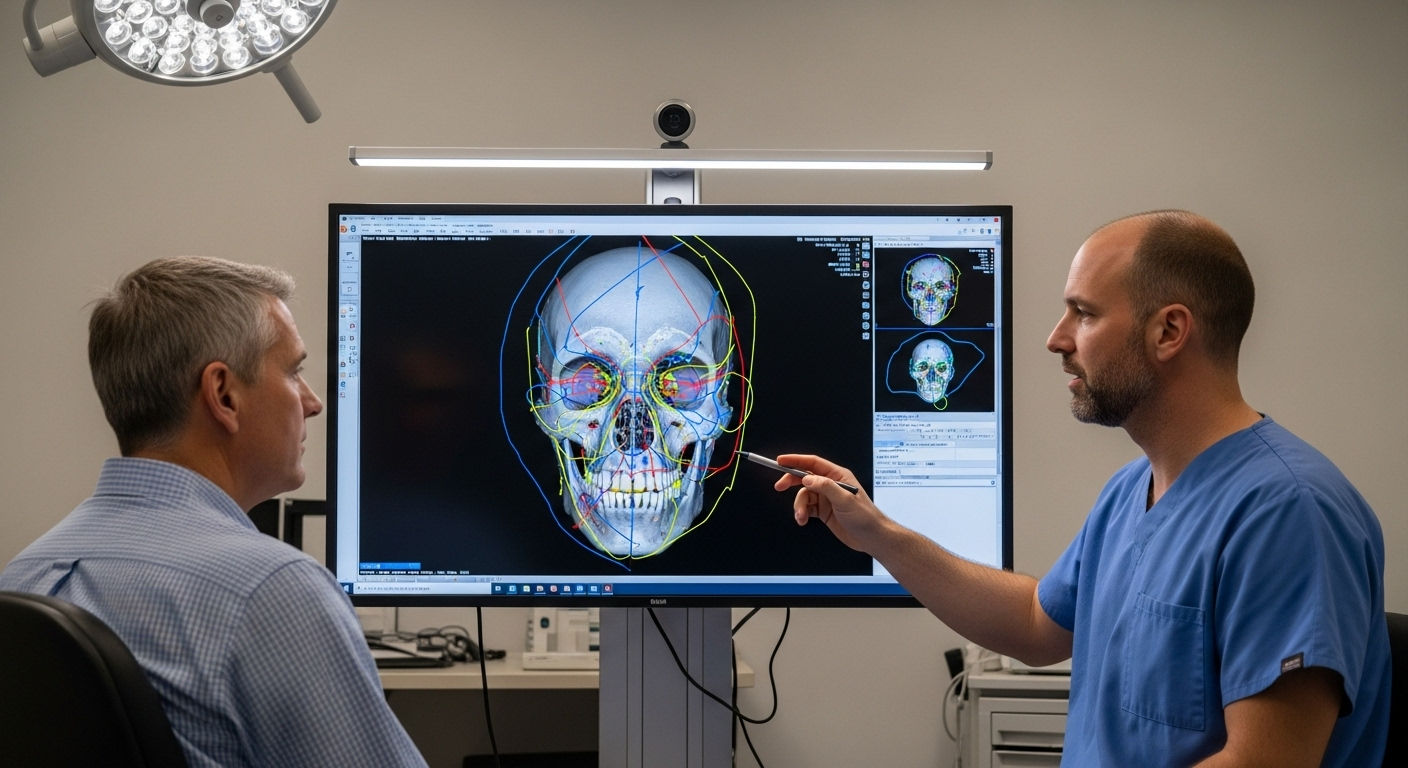
Furthermore, we will address the patient’s perspective, providing insights into what to expect during each stage of the process when piezoelectric surgery is incorporated. From the initial consultation and surgical planning, where 3D imaging often plays a crucial role in visualizing potential outcomes, to the post-operative period and long-term recovery, the benefits of this technique will be examined. Understanding these elements is vital for anyone considering or performing FFS, ensuring that decisions are informed and expectations are realistically managed within the context of advanced surgical possibilities.

Side profile portrait of a woman with smooth, glowing skin and perfectly styled hair, showcasing natural facial aesthetics.

The Scientific Principles of Piezoelectric Surgery

Piezoelectric surgery, also known as piezosurgery, operates on the principle of the piezoelectric effect, discovered by Pierre and Jacques Curie in 1880. This phenomenon describes the ability of certain materials, such as quartz crystals or specialized ceramics, to generate an electric charge in response to applied mechanical stress, and conversely, to undergo mechanical deformation when an electric field is applied. In surgical applications, an electrical current is passed through piezoelectric ceramics, causing them to vibrate at ultrasonic frequencies, typically between 25 and 30 kHz.

These high-frequency micro-vibrations are transferred to a working tip, which is precisely engineered to interact selectively with mineralized tissues like bone. The key to piezosurgery’s efficacy lies in its ability to differentiate between tissues based on their mechanical properties. Hard tissues, such as cortical and cancellous bone, possess a higher mineral content and thus respond effectively to these ultrasonic vibrations, leading to precise micro-osteotomies. In contrast, soft tissues, including nerves, blood vessels, and gingiva, have a lower mineral content and higher elasticity, rendering them largely unaffected by the same vibrations.

This differential cutting action is what defines the “micro-vibration and cavitation” mechanism of piezosurgery. When the ultrasonic tip makes contact with bone, the vibrations create microfractures and a localized cavitation effect, effectively eroding the bone structure layer by layer. Simultaneously, a cooling irrigation system is typically employed to prevent thermal damage to the bone and surrounding tissues, maintaining tissue viability and facilitating better healing. The precise amplitude and frequency of the vibrations can be adjusted by the surgeon, allowing for tailored control over the cutting process according to the specific bone density and surgical requirement.

Selective Cutting Mechanism and Tissue Preservation

The fundamental advantage of piezoelectric technology is its tissue-specific cutting. Unlike traditional rotary instruments (e.g., burs) or reciprocating saws, which cut indiscriminately through both hard and soft tissues, piezosurgery tips are designed to resonate at frequencies that primarily affect brittle, mineralized structures. This means that a surgeon can confidently perform bone cuts in close proximity to delicate nerves or vessels without fear of accidentally severing them. For instance, in FFS procedures involving the forehead or jaw, where cranial nerves and major blood vessels are in close proximity to the bone, this selectivity significantly enhances safety.

The protective effect on soft tissues is attributed to their elasticity and high water content, which allows them to vibrate harmonically with the ultrasonic waves without undergoing structural disruption at the applied frequencies and amplitudes. This dramatically reduces the risk of iatrogenic injuries, such as nerve paresthesia or hemorrhage, which are potential complications with conventional instruments. The preservation of nerve integrity is particularly important in FFS to maintain natural facial sensation and expression, contributing significantly to patient satisfaction and functional recovery.

Acoustic Cavitation and Biological Effects

Beyond the direct mechanical action, piezosurgery also induces a phenomenon known as acoustic cavitation. This involves the formation and collapse of microscopic bubbles in the irrigant solution due to the ultrasonic waves. The implosion of these bubbles generates localized pressure changes that contribute to the cutting efficiency, particularly by clearing debris and blood from the surgical field. This effect not only enhances visibility for the surgeon but also plays a role in the precise bone removal process.

Furthermore, studies suggest that the ultrasonic vibrations may have beneficial biological effects, potentially promoting bone regeneration and reducing inflammatory responses. The micro-trauma induced by piezoelectric instruments is different from the macro-trauma associated with high-speed drills. The smoother, more controlled cuts may preserve osteocytes and surrounding bone cells, contributing to faster and more predictable bone healing. While more research is ongoing, these biological advantages are hypothesized to contribute to the observed benefits in post-operative recovery, such as reduced swelling and pain.

A woman with long dark hair, wearing a light summer dress, standing in a lush garden during sunset and peacefully enjoying the warm light with her eyes closed.

FFS Applications: Where Piezoelectric Precision Shines

The inherent precision and soft tissue sparing capabilities of piezoelectric surgery make it exceptionally well-suited for several critical procedures within comprehensive FFS. These applications often involve complex anatomical areas where bone reduction and reshaping must be meticulously executed to achieve optimal feminization while protecting vital structures. The ability to perform delicate, controlled bone removal fundamentally elevates the safety and aesthetic potential of these surgeries.

Forehead Contouring (Type III Forehead Reduction)

One of the most impactful FFS procedures is forehead contouring, particularly Type III reduction, which involves the repositioning and reshaping of the frontal bone. Masculine foreheads typically exhibit a prominent brow ridge (supraorbital bossing) and a flatter forehead above it. Feminization requires reducing this bossing and creating a smoother, more rounded forehead profile. This often necessitates cutting and setting back a segment of the frontal bone, especially over the frontal sinuses.

Piezoelectric instruments are invaluable here. The frontal sinuses are delicate, and the inner wall of the frontal bone lies close to the brain’s dura mater. Traditional burs carry a risk of perforating the inner table, leading to potential complications. Piezosurgery allows for extremely thin, precise osteotomies of both the outer and inner tables of the frontal bone, minimizing the risk of accidental penetration into the sinus or intracranial cavity. Its soft tissue sparing effect is also crucial when working near the supraorbital nerves and vessels, which exit just above the brow and are essential for sensation in the forehead and scalp. This precision enables surgeons to achieve a natural, harmonious curvature without compromising patient safety or nerve function.

Jaw Contouring (Mandibular Angle Reduction)

A square, prominent jawline is a common masculine trait. Jaw contouring in FFS aims to soften this angularity by reducing the mandibular angles, creating a more tapered and oval or V-shaped lower face. This involves osteotomies (bone cuts) of the posterior angle of the mandible. The inferior alveolar nerve, which provides sensation to the lower lip and chin, runs within the mandible and is highly susceptible to injury during traditional jaw reduction techniques.

With piezoelectric surgery, surgeons can precisely shave or cut the outer cortical bone of the mandibular angle without risking damage to the inferior alveolar nerve. The ultrasonic tips can meticulously contour the bone, achieving a smooth, natural curve while leaving the nerve completely untouched. This significantly reduces the incidence of post-operative paresthesia (numbness or altered sensation) in the lower lip and chin, a common concern with traditional methods. The ability to achieve fine bone reduction while ensuring nerve integrity is a major advantage for both aesthetic and functional outcomes.

Genioplasty (Chin Reshaping)

The chin plays a crucial role in overall facial balance and can significantly contribute to a masculine or feminine appearance. Feminizing genioplasty often involves reducing chin height, narrowing its width, or advancing it for a more delicate profile. This procedure frequently requires horizontal osteotomies of the chin bone (mentum).

The mental nerves, which provide sensation to the chin and lower lip, exit the mandible on either side of the chin and are extremely vulnerable during osteotomies. Piezosurgery’s selective cutting action is invaluable in this area. Surgeons can perform precise bone cuts, separating the segment of bone for repositioning or reduction, while the ultrasonic vibrations simply push away the mental nerves without cutting them. This minimizes nerve injury and preserves sensation, contributing to a more comfortable and functionally intact outcome. The finely controlled bone cuts also allow for smoother transitions and more aesthetically pleasing chin contours, avoiding irregularities often seen with less precise tools.

Rhinoplasty (Nose Feminization)

While often associated with soft tissue and cartilage work, rhinoplasty for FFS can also involve bone reshaping, particularly for narrowing the nasal bones (osteotomies) or reducing a dorsal hump. Masculine noses often appear wider and more angular, sometimes with a prominent bridge.

Piezoelectric rhinoplasty, sometimes called ultrasonic rhinoplasty, utilizes specialized ultrasonic tips to precisely sculpt the nasal bones. This allows for very controlled removal of bone and shaping of the nasal bridge, leading to a more refined and delicate nasal contour without the need for traditional chisels and hammers. The gentle nature of ultrasonic vibrations reduces trauma to the surrounding soft tissues, minimizing post-operative swelling and bruising, which are common complaints after conventional rhinoplasty. This means patients often experience a faster and more comfortable recovery, with earlier visualization of their refined nasal aesthetics.

Benefits of Piezoelectric Surgery in FFS

The integration of piezoelectric surgery into FFS protocols offers a multitude of advantages that extend beyond mere technical precision. These benefits significantly impact patient safety, comfort, recovery trajectory, and ultimately, the quality and longevity of the surgical outcomes. Understanding these distinct advantages is crucial for both surgeons considering its adoption and patients evaluating their FFS options.

Enhanced Precision and Control

The most immediate and apparent benefit of piezoelectric surgery is the unparalleled level of precision and control it provides to the surgeon. The ultrasonic tips create clean, micro-osteotomies that are highly predictable and reproducible. This allows for meticulous bone reshaping, enabling the surgeon to remove precisely the desired amount of bone without over-resection or creating irregularities. In FFS, where subtle changes can have a profound impact on overall facial harmony and feminization, this fine-tuned control is indispensable. It facilitates the creation of smooth, natural contours in areas like the forehead, jaw, and chin, which are difficult to achieve with less precise instruments.

Minimized Soft Tissue Trauma and Nerve Protection

As previously discussed, the selective cutting action of piezoelectric instruments is a cornerstone benefit. By targeting only mineralized bone and sparing elastic soft tissues, the risk of damage to critical structures such as nerves (e.g., supraorbital, inferior alveolar, mental nerves), blood vessels, and adjacent mucosal or muscle tissues is dramatically reduced. This translates into several patient-centric advantages. Nerve integrity is paramount for preserving facial sensation and expression, which directly impacts quality of life post-surgery. Reduced vascular trauma minimizes bleeding during the procedure, leading to a clearer surgical field and potentially shorter operating times. This also contributes to less post-operative hematoma formation.

Reduced Post-Operative Swelling and Bruising

The gentle nature of ultrasonic bone cutting, coupled with minimal soft tissue disruption, leads to a significant reduction in post-operative inflammation. Patients undergoing FFS with piezoelectric techniques often experience less swelling (edema) and bruising (ecchymosis) compared to those treated with traditional mechanical instruments. This is due to less tissue trauma, less hemorrhage, and potentially favorable biological responses to ultrasonic energy. For patients, this means a more comfortable recovery period, with less discomfort and a quicker return to normal appearance. The ability to see preliminary results sooner can also have a positive psychological impact, reducing anxiety associated with prolonged swelling.

Improved Bone Healing and Integration

The clean, precise osteotomies created by piezosurgery are thought to promote superior bone healing. The lack of thermal necrosis (heat-induced tissue death) and mechanical crushing associated with traditional drills preserves the vitality of bone cells at the cut edges. This creates an optimal environment for osteogenesis (new bone formation) and faster integration of bone segments, if repositioned. While long-term studies are ongoing, clinical observations suggest that bone healing can be more predictable and robust, contributing to the stability and longevity of the FFS results.

Enhanced Surgical Visibility

The acoustic cavitation effect of piezosurgery, which helps to clear debris and blood, combined with reduced intraoperative bleeding due to minimized soft tissue trauma, contributes to a significantly clearer surgical field. Enhanced visibility allows the surgeon to operate with greater confidence and accuracy, especially in complex anatomical regions. This clear view of the bone structure and surrounding vital tissues further contributes to the precision and safety of the procedure, reducing the likelihood of complications and enabling the surgeon to achieve more refined aesthetic results.

Piezoelectric vs. Traditional Osteotomy Methods

To fully appreciate the advantages of piezoelectric surgery, it is essential to understand how it contrasts with conventional bone-cutting techniques. Traditional osteotomy methods, primarily involving burs, saws, and chisels, have been the mainstay of craniomaxillofacial and FFS for decades. While effective, they operate on different principles and carry inherent limitations that piezoelectric technology aims to overcome.

Mechanism of Action

Traditional instruments operate through mechanical rotation (burs, saws) or direct impact (chisels). Burs and saws cut bone by physical abrasion and shearing forces, requiring constant pressure and generating significant heat. Chisels remove bone segments by leveraging mechanical force against the bone structure. These methods are efficient at removing large volumes of bone but lack the fine selectivity and gentle action of ultrasonic vibrations.

Piezoelectric instruments, conversely, utilize high-frequency ultrasonic micro-vibrations. These vibrations specifically interact with the mineralized components of bone, causing precise cuts through a process of micro-fracture and cavitation. This distinction in the mechanism of action is fundamental to their differing safety and efficacy profiles.

Tissue Selectivity

One of the most critical differences is tissue selectivity. Traditional rotary instruments cut through any tissue they encounter, whether bone, nerve, blood vessel, or muscle. This necessitates extreme caution and often requires retracting soft tissues forcefully, which itself can cause trauma. Accidental injury to adjacent nerves or vessels is a known risk with these methods, particularly in areas with complex neurovascular anatomy.

Piezoelectric surgery’s hallmark is its ability to selectively cut bone while preserving soft tissues. The ultrasonic vibrations are tuned to frequencies that primarily affect brittle, mineralized structures. This “soft tissue sparing” effect dramatically reduces the risk of iatrogenic injuries, making it a safer option for intricate bone work in close proximity to vital anatomical structures, as is common in FFS.

Thermal Damage and Bone Healing

Traditional high-speed rotary instruments generate considerable heat due to friction. While irrigation is used, excessive heat can cause thermal necrosis (death of bone cells) at the cut edges. This can impair the healing process, delay bone union, and potentially lead to post-operative complications. The rougher cut surfaces produced by burs can also make bone integration less optimal.

Piezosurgery, with its micro-vibrations and continuous cooling irrigation, generates significantly less heat. This preserves the vitality of the bone cells at the osteotomy site, leading to cleaner cuts and theoretically superior bone healing. The precise and smooth bone surfaces created by piezoelectric instruments also provide a better interface for bone regeneration and integration, contributing to more predictable and robust long-term results.

Post-Operative Morbidity

The greater tissue trauma associated with traditional methods often results in more significant post-operative swelling, bruising, and pain. Increased bleeding during surgery can contribute to hematoma formation, further exacerbating swelling and discomfort. Recovery periods can be longer, and the visible signs of surgery (swelling, bruising) may persist for extended durations.

In contrast, piezoelectric surgery typically leads to reduced post-operative swelling, bruising, and pain due to minimal soft tissue trauma and less intraoperative bleeding. This translates into a more comfortable recovery for the patient, with a quicker resolution of visible surgical effects and an earlier return to social activities. The preservation of nerves also means a lower incidence of long-term paresthesia, enhancing the patient’s overall experience and satisfaction.

Aesthetic Outcomes

While skilled surgeons can achieve excellent results with traditional methods, the fine control offered by piezosurgery can lead to even more refined and precise aesthetic outcomes. The ability to perform micro-osteotomies allows for highly intricate sculpting of bone, resulting in smoother transitions and more natural-looking contours. This subtle refinement can be particularly impactful in FFS, where the goal is to create harmonious feminine features that appear unoperated.

Ideal Candidate Profiles for Piezoelectric FFS

While piezoelectric surgery offers significant advantages, determining the ideal candidate for its application in FFS involves a careful assessment of several factors. The technique is particularly beneficial for certain anatomical presentations and patient expectations, aligning with the principles of personalized gender-affirming care. Identifying who stands to benefit most from this advanced approach ensures optimal outcomes and patient satisfaction.

Complex Bone Reshaping Needs

Candidates requiring intricate and extensive bone reshaping, especially in areas where fine detail and smooth transitions are paramount, are excellent candidates for piezoelectric FFS. This includes individuals needing significant forehead setback (Type III forehead reduction), substantial jaw angle reduction, or precise chin reshaping (genioplasty) to achieve a nuanced feminine profile. The ability to perform micro-osteotomies with high accuracy is particularly valuable when transitioning from a more robust masculine bone structure to a delicate feminine one, avoiding an ‘over-operated’ or unnatural appearance.

High Priority on Nerve Preservation and Sensation

Patients who express a high priority for maintaining intact facial sensation and minimizing the risk of nerve damage are ideal candidates. The soft tissue sparing nature of piezoelectric surgery significantly reduces the likelihood of paresthesia (numbness or altered sensation) in areas such as the forehead, lower lip, and chin. For individuals for whom maintaining natural facial sensation is a crucial aspect of their quality of life and post-operative satisfaction, piezoelectric techniques offer a safer alternative compared to traditional methods that carry a higher risk of nerve injury.

Desire for Accelerated or Smoother Recovery

While all FFS procedures require a significant recovery period, patients desiring a smoother recovery with reduced immediate post-operative morbidity can benefit from piezoelectric surgery. The minimized soft tissue trauma and reduced intraoperative bleeding typically lead to less swelling, bruising, and pain in the immediate aftermath of the surgery. This can translate into a quicker reduction of visible signs of surgery and a more comfortable healing phase, allowing patients to return to their daily routines and social activities sooner. This is particularly appealing for those with demanding professional or personal commitments.

Revisional Cases and Delicate Anatomy

Piezoelectric surgery is also an excellent option for revisional FFS cases or situations involving delicate or compromised anatomy. In cases where previous surgeries have altered tissue planes or where bone structures are thinner than average, the precision and gentle action of piezoelectric instruments provide an added layer of safety. The ability to work meticulously in areas with scar tissue or in close proximity to previously operated structures minimizes further trauma and enhances the predictability of outcomes in these challenging scenarios.

Realistic Expectations and Understanding of Technology

As with any advanced surgical technique, ideal candidates are those who possess realistic expectations about the outcomes of FFS and have a thorough understanding of the specific benefits and limitations of piezoelectric surgery. A comprehensive consultation where the surgeon explains the technology, its advantages, and how it integrates into their personalized surgical plan is essential. Patients who are informed and engaged in the decision-making process are typically better prepared for their surgical journey and experience higher satisfaction with their results.

What to Expect: Procedure and Recovery with Piezosurgery

Embarking on FFS, especially with advanced techniques like piezoelectric surgery, involves a structured journey from initial consultation to full recovery. Understanding each phase—pre-operative preparation, the surgical procedure itself, and the post-operative recovery timeline—is crucial for setting realistic expectations and ensuring a smooth, successful experience. The integration of piezosurgery specifically impacts aspects of the procedure’s precision and the nuances of the recovery period.

Pre-Operative Planning and Consultation

The journey begins with a detailed consultation, often involving 3D CT scans of the facial skeleton. These scans are critical for precise surgical planning, allowing the surgeon to analyze bone structure, identify specific areas for feminization, and create a customized surgical roadmap. Advanced imaging software can simulate potential outcomes, giving the patient a visual preview of their feminized features. During this phase, the surgeon will discuss how piezoelectric technology will be utilized for specific bone reshaping tasks, highlighting its benefits in terms of precision and soft tissue preservation. Medical clearance, cessation of smoking, and optimization of hormone replacement therapy (HRT) are standard pre-operative requirements.

The Surgical Procedure

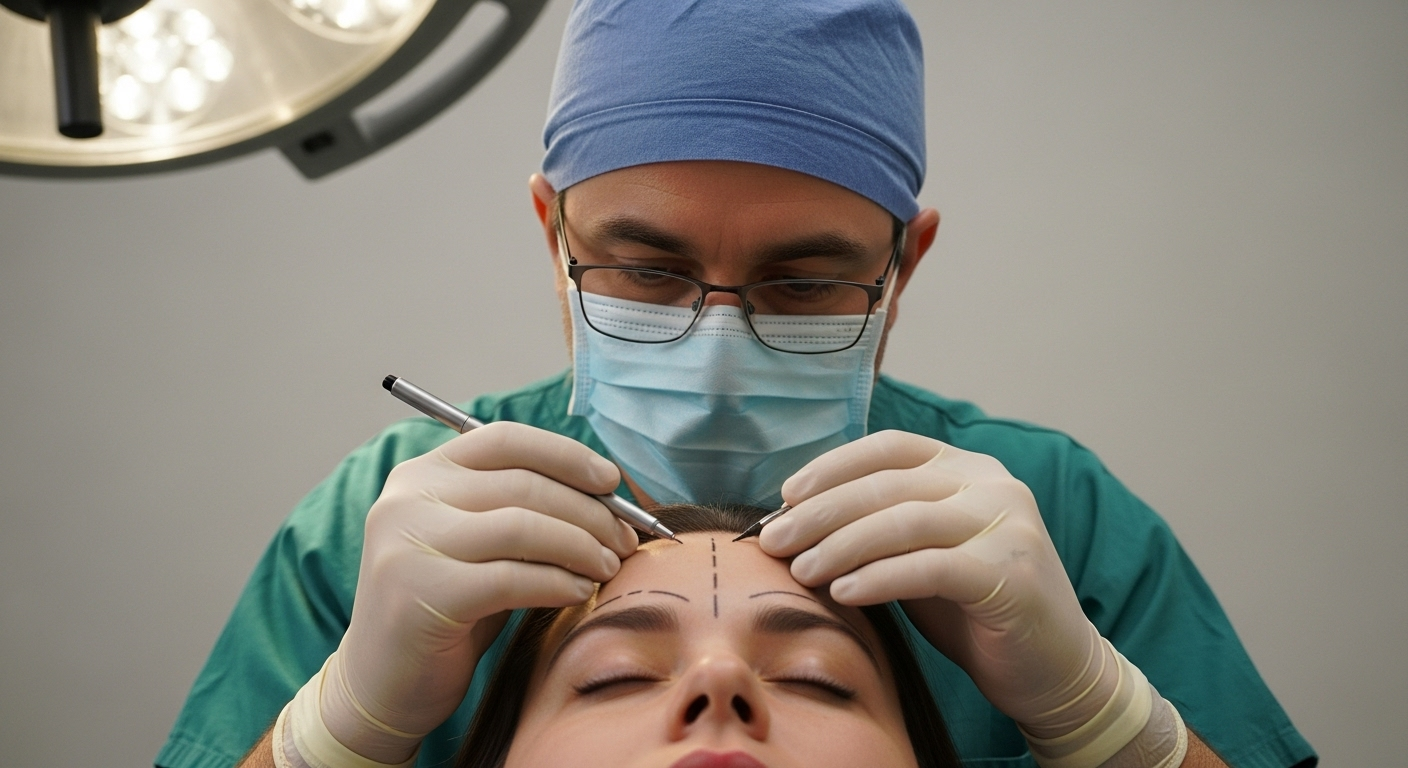
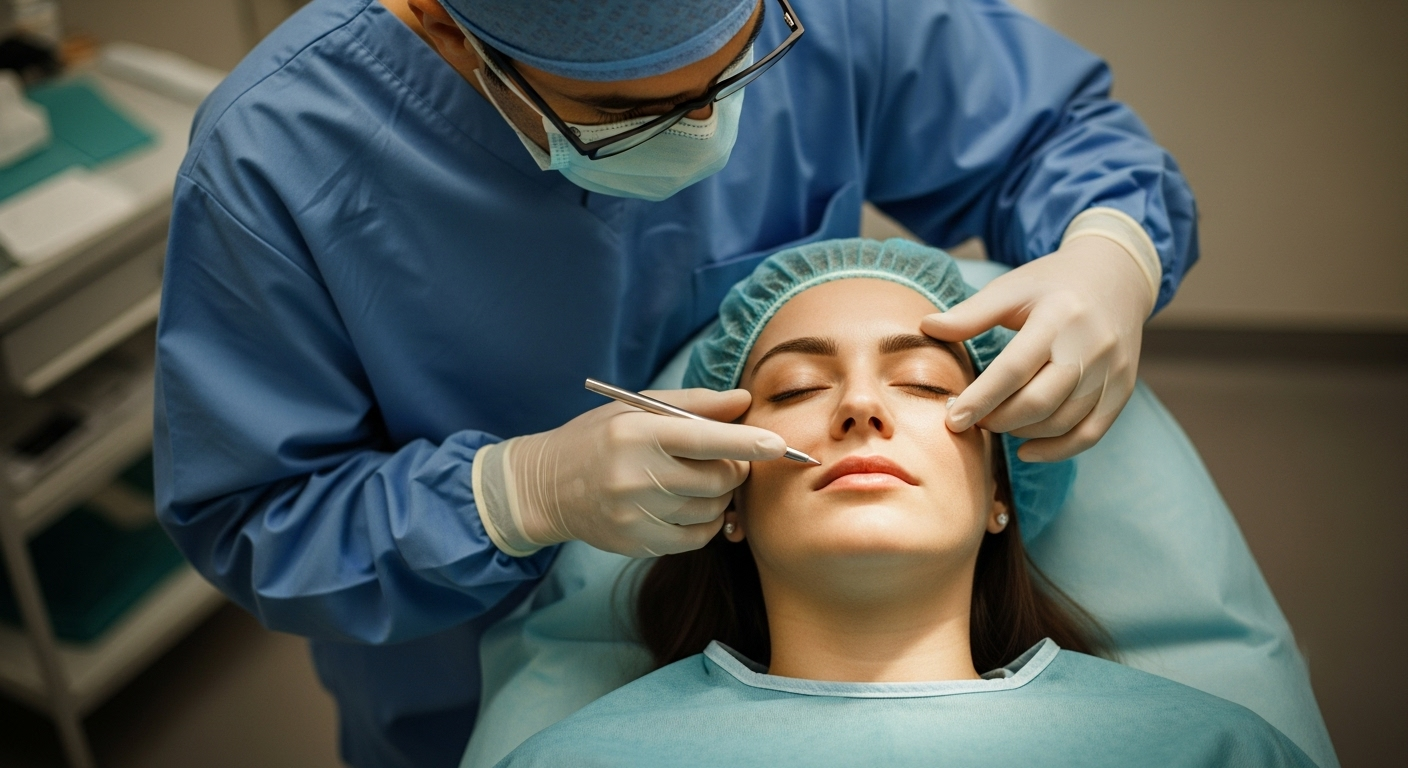
FFS with piezoelectric tools is performed under general anesthesia. The surgical approach (incisions) remains similar to traditional FFS, typically involving incisions within the hairline or inside the mouth to access the underlying bone structures, thereby minimizing visible scarring. Once the bone is exposed, the surgeon utilizes specialized piezoelectric handpieces with various tips tailored for cutting, shaving, or contouring different bone regions (e.g., forehead, jaw, chin, nose).

The ultrasonic vibrations precisely cut the bone, while continuous irrigation keeps the surgical field clear and cool. The surgeon meticulously reshapes and repositions bone segments, always mindful of the vital nerves and vessels that are protected by the selective cutting action of the piezoelectric device. The duration of the surgery depends on the number and complexity of the procedures being performed, often ranging from 4 to 8 hours for a comprehensive FFS.

Immediate Post-Operative Period

Immediately after surgery, patients will experience swelling and some discomfort, which is managed with pain medication. Drains may be placed temporarily to prevent fluid accumulation, and compression garments or bandages might be used to help reduce swelling. Hospital stays typically range from 1 to 3 days, depending on the extent of the surgery and the individual’s recovery. Due to the reduced soft tissue trauma with piezosurgery, patients often report less severe initial swelling and bruising compared to traditional FFS. This can make the immediate post-operative period slightly more comfortable and less visually distressing.

Recovery Timeline and Tips

The recovery from comprehensive FFS is a gradual process, but the benefits of piezosurgery can influence its trajectory:

  • Week 1-2: Swelling and bruising are most prominent but may be less severe with piezosurgery. Patients should rest, keep their head elevated, and apply cold compresses. Soft diet is usually recommended. Stitches (if external) are typically removed at the end of this period. Light walking is encouraged.
  • Weeks 3-4: Much of the initial swelling subsides, and bruising begins to fade significantly. Most patients can return to light work or daily activities. Continued avoidance of strenuous activity and sun exposure is advised. The improved soft tissue sparing of piezosurgery can lead to a quicker resolution of visible signs of surgery.
  • Months 1-3: Significant improvement in swelling and contour definition. Numbness in some areas is common but gradually resolves as nerves regenerate; piezosurgery aims to minimize this duration and severity. Patients can typically resume most normal activities, but contact sports are still restricted.
  • Months 6-12: The face continues to refine as residual swelling fully resolves and bone healing matures. Final contours become evident. Any subtle irregularities or asymmetry can be assessed at this stage. Long-term sensation typically returns fully, often with enhanced predictability due to nerve protection during surgery.

Tips for optimal recovery include adhering to post-operative instructions, maintaining good nutrition, gentle lymphatic massage (if recommended by the surgeon), and protecting incisions from sun exposure. While piezosurgery mitigates some risks, general surgical complications like infection or hematoma remain rare possibilities, underscoring the importance of choosing an experienced FFS surgeon.

Close-up portrait of a smiling woman with warm, glowing sunlight on her face.

Conclusion

The integration of piezoelectric surgery represents a significant leap forward in the field of Facial Feminization Surgery, offering a blend of unparalleled precision, enhanced safety, and improved recovery profiles. This ultrasonic bone-cutting technology has fundamentally reshaped how surgeons approach delicate bone remodeling, providing a highly selective and controlled method that prioritizes the preservation of vital soft tissues and nerves. For individuals undergoing MTF transition, the advent of piezosurgery translates into more refined aesthetic outcomes, reduced post-operative morbidity, and a faster, more comfortable journey towards their authentic self.

Throughout this detailed exploration, we have delved into the scientific mechanisms that underpin piezoelectric surgery, highlighting its unique ability to differentiate between hard and soft tissues. This selective cutting action, driven by high-frequency ultrasonic vibrations, stands in stark contrast to traditional mechanical osteotomy methods, which carry inherent risks of indiscriminate tissue damage. The implications for FFS are profound, particularly in complex anatomical regions such as the forehead, jaw, chin, and nose, where even millimeter-level precision and nerve protection are paramount for both functional integrity and aesthetic harmony.

The tangible benefits of incorporating piezoelectric techniques into FFS protocols are manifold. Patients can anticipate significantly reduced post-operative swelling and bruising, largely due to minimized soft tissue trauma and intraoperative bleeding. This translates into a more comfortable recovery phase, allowing for an earlier appreciation of the surgical results and a quicker return to daily life. Furthermore, the enhanced protection of critical facial nerves minimizes the risk of long-term paresthesia, ensuring that natural sensation and facial expressiveness are maintained, which is vital for overall quality of life and psychological well-being post-transition.

Moreover, the precision offered by piezosurgery empowers surgeons to achieve exceptionally smooth and natural-looking contours. The ability to perform micro-osteotomies with such fine control allows for intricate sculpting that creates seamless transitions between facial features, avoiding the abrupt or artificial appearances sometimes associated with less refined methods. This meticulous approach to bone reshaping is instrumental in crafting genuinely feminized facial structures that are both aesthetically pleasing and organically integrated with the individual’s overall features.

As FFS continues to evolve, the adoption of sophisticated tools like piezoelectric devices underscores a commitment to pushing the boundaries of what is surgically possible while simultaneously enhancing patient safety and experience. This technology is not merely an incremental improvement; it represents a qualitative leap in surgical precision, offering a superior method for achieving the delicate and impactful changes required for successful facial feminization. For surgeons, it provides an invaluable tool to perform complex procedures with greater confidence and accuracy. For patients, it offers the promise of a safer procedure, a smoother recovery, and ultimately, more satisfying and harmonious results that truly reflect their inner identity.

Key Takeaways

  • Piezoelectric surgery uses ultrasonic vibrations for precise bone cutting, selectively targeting bone while preserving soft tissues like nerves and vessels.
  • Key FFS applications include forehead contouring, jaw reduction, genioplasty, and rhinoplasty, where its precision minimizes complications.
  • Benefits include enhanced surgical control, reduced soft tissue trauma, less post-operative swelling and bruising, better bone healing, and nerve protection.
  • Compared to traditional osteotomy, piezosurgery offers superior tissue selectivity, reduced thermal damage, and a smoother, more predictable recovery.
  • Ideal candidates prioritize precise outcomes, nerve preservation, and a more comfortable recovery from complex bone reshaping procedures.

Next Steps

For those considering Facial Feminization Surgery, exploring the integration of advanced techniques like piezoelectric surgery with an experienced FFS surgeon is highly recommended. A detailed consultation can provide personalized insights into how this technology can optimize your surgical plan, ensuring the safest procedure and the most aesthetically pleasing outcomes tailored to your unique facial anatomy and feminization goals. Empower yourself with knowledge and choose a path that offers the highest standards of care and precision.

Frequently Asked Questions

What is piezoelectric surgery in FFS?

It’s an advanced ultrasonic bone-cutting technique used in FFS to precisely reshape facial bones while protecting surrounding soft tissues and nerves.

How does piezoelectric surgery differ from traditional methods?

Unlike traditional drills or saws that cut all tissues indiscriminately, piezosurgery selectively cuts only bone using ultrasonic vibrations, minimizing trauma to nerves and blood vessels.

What are the main benefits of using piezosurgery in FFS?

Benefits include enhanced precision, reduced risk of nerve damage, less post-operative swelling and bruising, and potentially faster, more comfortable recovery.

Which FFS procedures commonly use piezoelectric surgery?

It is particularly beneficial for forehead contouring (Type III reduction), jaw angle reduction, chin reshaping (genioplasty), and precise nasal bone sculpting in rhinoplasty.

Does piezoelectric surgery reduce recovery time?

While overall FFS recovery is still substantial, piezosurgery can lead to a quicker resolution of initial swelling and bruising, contributing to a smoother and potentially faster visible recovery.

Is piezoelectric FFS more expensive?

The cost of FFS can vary significantly based on the surgeon, location, and extent of procedures. While the technology is advanced, its cost integration into overall FFS pricing should be discussed during consultation.

What kind of results can I expect with piezoelectric FFS?

Patients can expect highly precise and refined feminine facial contours with a reduced risk of nerve damage and a potentially smoother recovery, leading to natural-looking and harmonious results.

Are there any risks associated with piezoelectric surgery?

While it reduces many risks associated with traditional methods, general surgical risks like infection, bleeding, or unexpected healing outcomes are always present with any surgery, though typically rare.

Surgical Anatomy for Facial Feminization: Layer-by-Layer FFS Guide

A close-up portrait of a woman with natural-looking makeup, glowing skin, and dark hair, looking directly at the camera.

Facial Feminization Surgery (FFS) is a transformative and highly personalized set of procedures designed to align the facial features of transgender women with their gender identity. This surgical approach addresses the anatomical differences between male and female facial structures, focusing on creating softer, more traditionally feminine contours. FFS is not merely a cosmetic intervention; it is a critical component of gender affirmation, significantly reducing gender dysphoria and enhancing psychological well-being. By modifying both the bony framework and soft tissue elements of the face, FFS helps individuals achieve a facial appearance that aligns with their internal sense of self.

The importance of understanding facial surgical anatomy in FFS cannot be overstated. Each layer of the face—skin, subcutaneous tissue, muscle, periosteum, and bone—plays a distinct role in defining facial features. This guide provides a detailed exploration of these layers, their surgical implications, and how they are addressed during FFS procedures. Whether you are a patient considering FFS or a medical professional seeking deeper insights, this resource aims to demystify the complexities of facial anatomy and its impact on feminization outcomes.

This guide is structured to provide a comprehensive understanding of the anatomical considerations involved in FFS. We will explore the upper, mid, and lower regions of the face, as well as the critical neurovascular structures that must be preserved during surgery. Additionally, we will discuss how individual anatomical variability influences surgical planning and the selection of specific FFS techniques. By the end of this guide, you will have a clear understanding of the intricate interplay between anatomy and surgical outcomes in FFS.

Close-up side profile of a woman with glowing skin at golden hour wearing a gold hoop earring.

Overview of Facial Layers

The face is composed of multiple layers, each contributing to its overall structure and appearance. Understanding these layers is essential for planning and executing FFS procedures effectively. The primary layers include:

  • Skin: The outermost layer, which varies in thickness and elasticity across different facial regions. It plays a crucial role in defining facial contours and texture.
  • Subcutaneous Tissue: This layer consists of fat and connective tissue, providing cushioning and support to the skin. It is often modified during FFS to enhance facial contours.
  • Muscle/SMAS (Superficial Musculoaponeurotic System): This layer includes the facial muscles responsible for expressions and the SMAS, a fibrous network that supports facial tissues. Surgical adjustments here can refine facial dynamics and contours.
  • Periosteum: A dense layer of connective tissue covering the bones of the face. It is crucial for bone contouring procedures, as it must be carefully managed to avoid complications.
  • Bone: The foundational layer, providing structural support. Bone reshaping is a key component of FFS, addressing features like the brow ridge, jawline, and chin.

Each of these layers is considered during FFS planning and execution. For example, bone contouring addresses the underlying skeletal structure, while soft tissue adjustments refine the overlying features. The interplay between these layers determines the final aesthetic outcome, making a thorough understanding of facial anatomy essential for achieving optimal results.

Upper Face: Forehead & Orbital Region

The upper face, particularly the forehead and orbital region, is a focal point in FFS due to its significant impact on gender perception. Masculine foreheads often feature a prominent supraorbital ridge (brow bossing) and a flatter, more angular contour. In contrast, feminine foreheads tend to be smoother, with a more convex shape and a higher, arched brow. Addressing these differences is critical for achieving a feminine appearance.

Anatomical Considerations

The forehead is composed of the frontal bone, which forms the brow ridge. The supraorbital ridge, a prominent feature in male anatomy, is often reduced or reshaped during FFS. The orbital rims, which encase the eyes, also play a role in defining the upper face’s femininity. The position and shape of the eyebrows, influenced by the frontalis and corrugator muscles, are additional factors in achieving a feminine look.

Key anatomical structures in this region include:

  • Frontal Bone: The bone forming the forehead and brow ridge. Reshaping this bone is a common procedure in FFS.
  • Supraorbital Ridge: The bony prominence above the eyes, often reduced to create a smoother forehead.
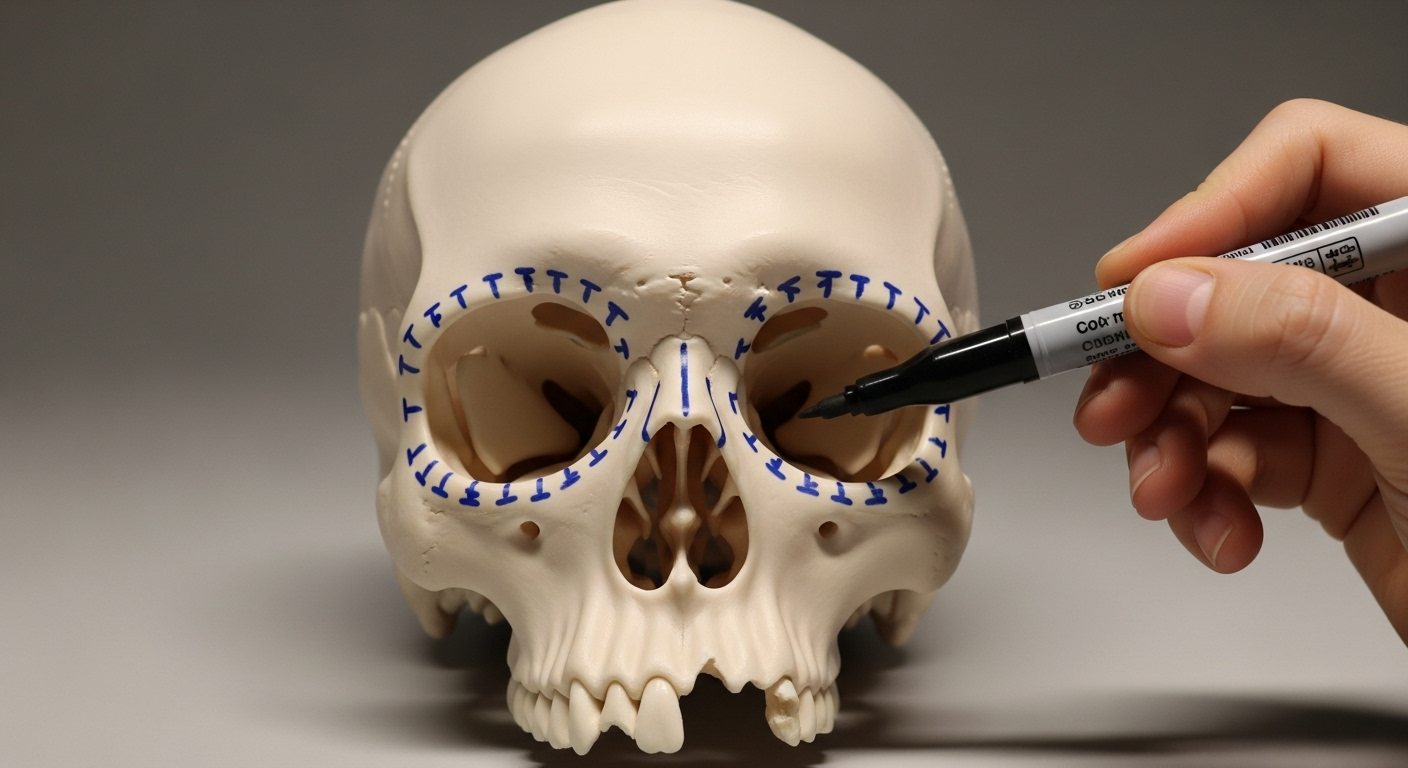
  • Orbital Rims: The bony structures surrounding the eyes, which can be contoured to enhance femininity.
  • Frontalis Muscle: The muscle responsible for raising the eyebrows, often adjusted during a brow lift.
  • Corrugator Muscles: Muscles between the eyebrows that contribute to frown lines, sometimes modified to soften the upper face.
  • Supraorbital and Supratrochlear Nerves: Nerves that provide sensation to the forehead and must be preserved during surgery.

Surgical Procedures

Several procedures target the upper face during FFS:

  • Forehead Contouring: This procedure involves reshaping the frontal bone to reduce the prominence of the brow ridge. Techniques include burring (shaving down the bone) or setting it back using osteotomies. The goal is to create a smoother, more feminine forehead contour. Forehead contouring is often combined with hairline advancement to further feminize the upper face.
  • Hairline Advancement: This procedure lowers the hairline to reduce forehead height, creating a more feminine proportion. It is particularly beneficial for individuals with a naturally high or receding hairline. The surgery involves excising a strip of scalp and advancing the hairline downward. Hairline advancement can be performed alone or in conjunction with forehead contouring.
  • Brow Lift: A brow lift elevates the eyebrows to create a more open and feminine gaze. This procedure can be performed endoscopically, using small incisions hidden within the hairline, or through a coronal incision for more extensive adjustments. The goal is to reposition the eyebrows into a higher, more arched position. Brow lifts are often combined with orbital rim contouring to enhance the overall feminization of the upper face.
  • Orbital Rim Contouring: This procedure involves reshaping the bony rims around the eyes to create a softer, more feminine appearance. It is often performed in conjunction with a brow lift to achieve a harmonious upper face. The orbital rims can be augmented with implants or reduced through bone reshaping, depending on the individual’s anatomy and goals.

Recovery and Considerations

Recovery from upper face procedures typically involves swelling and bruising, which peak within the first week and gradually subside over the following weeks. Patients are advised to keep their head elevated and avoid strenuous activities during the initial recovery period. The use of cold compresses can help reduce swelling, and pain management is typically achieved with prescribed medications. Most individuals can return to work and normal activities within 2-3 weeks, although full healing may take several months. Detailed recovery timelines can provide further guidance on what to expect during the healing process.

Potential risks include infection, nerve damage, and asymmetry. Choosing an experienced surgeon who specializes in FFS can minimize these risks and ensure optimal outcomes. It is also important to follow all post-operative care instructions to support healing and achieve the best possible results.

FFS Upper Face Procedures

Midface: Cheeks & Nose

The midface, encompassing the cheeks and nose, plays a pivotal role in defining facial femininity. Feminine midfaces are characterized by higher, more prominent cheekbones and a delicate, refined nose. In contrast, masculine midfaces often feature flatter cheekbones and a larger, more pronounced nasal structure. Addressing these differences is essential for achieving a harmonious and feminine appearance.

Anatomical Considerations

The midface is composed of several key structures:

  • Zygomatic Bones (Cheekbones): These bones form the prominence of the cheeks. In feminine faces, the zygomatic bones are typically higher and more anteriorly positioned, creating a more triangular facial shape. Augmenting or reshaping these bones can enhance femininity.
  • Maxilla: The upper jawbone, which supports the midface and influences the projection of the cheeks. Adjustments to the maxilla can refine midface contours.
  • Nasal Structures: The nose is composed of bone, cartilage, and soft tissue. Feminine noses tend to be smaller, with a concave dorsal profile and a refined tip. The nasal bones and cartilages are often reshaped during FFS to achieve these characteristics.
  • Fat Pads: The buccal fat pad and other fat deposits in the midface contribute to facial volume and contours. Adjusting these fat pads can enhance cheek prominence and overall facial harmony.
  • Infraorbital Nerve: A sensory nerve that runs along the lower edge of the orbit, providing sensation to the midface. Care must be taken to avoid damaging this nerve during surgery.

Surgical Procedures

The midface is addressed through several key procedures during FFS:

  • Cheek Augmentation: This procedure enhances the prominence of the cheekbones, creating a more feminine and youthful appearance. It can be achieved through the use of implants, fat grafting, or bone contouring. Cheek augmentation is particularly effective for individuals with flat or less defined cheekbones. Cheek augmentation can be tailored to achieve natural-looking results that complement the overall facial structure.
  • Rhinoplasty: Feminizing rhinoplasty focuses on refining the nasal structure to create a smaller, more delicate nose. This may involve reducing the dorsal hump, narrowing the nasal bridge, and refining the nasal tip. The procedure is highly individualized, with the goal of achieving a nose that harmonizes with the rest of the face. Nose feminization surgery is a common component of FFS, as the nose is a central feature that significantly influences gender perception.
  • Fat Grafting: Fat grafting involves harvesting fat from one area of the body and injecting it into the midface to enhance volume and contours. This technique is often used to augment the cheeks, create a smoother transition between the midface and lower face, and improve overall facial harmony. Fat grafting can be combined with other procedures, such as cheek augmentation, for comprehensive midface rejuvenation.
  • Buccal Fat Removal: In some cases, reducing the buccal fat pad can create a more sculpted and feminine midface. This procedure is particularly beneficial for individuals with a rounder or fuller face, as it helps to define the cheekbones and create a more angular appearance.

Recovery and Considerations

Recovery from midface procedures varies depending on the specific techniques used. Swelling and bruising are common in the first week, with most individuals able to return to work and normal activities within 2-3 weeks. Full healing and final results may take several months, as the tissues settle and contours refine. It is important to follow post-operative care instructions, including avoiding strenuous activities and protecting the face from sun exposure, to support healing and achieve optimal outcomes.

Potential risks include asymmetry, infection, and nerve damage. Choosing a skilled surgeon with experience in FFS can minimize these risks and ensure a successful recovery. Regular follow-up appointments are essential for monitoring progress and addressing any concerns that may arise during the healing process.

FFS Midface Procedures

Lower Face & Neck: Jaw, Chin, Lips & Trachea

The lower face and neck are critical regions in FFS, as they significantly influence gender perception. Masculine lower faces often feature a square jawline, a prominent chin, and a visible Adam’s apple. In contrast, feminine lower faces tend to have a softer, more tapered jawline, a smaller chin, and a smoother neck contour. Addressing these features is essential for achieving a harmonious and feminine appearance.

Anatomical Considerations

The lower face and neck are composed of several key structures:

  • Mandible (Jawbone): The mandible forms the lower jaw and influences the width and shape of the jawline. A square or wide jaw is a masculine trait, often addressed through jaw contouring procedures.
  • Chin: The chin’s size, shape, and projection contribute to the overall balance of the lower face. A prominent or square chin is often refined during FFS to create a softer appearance.
  • Masseter Muscle: This muscle is responsible for chewing and contributes to the width of the lower face. Reducing the masseter muscle can create a more tapered jawline.
  • Platysma Muscle: A muscle in the neck that can contribute to a less defined jawline if it is lax or prominent. Tightening the platysma can enhance neck contours.
  • Thyroid Cartilage (Adam’s Apple): The prominence of the thyroid cartilage is a masculine trait, often reduced through a tracheal shave procedure.
  • Mental Foramen: An opening in the mandible that houses nerves and blood vessels. Care must be taken to avoid damaging this structure during chin procedures.

Surgical Procedures

The lower face and neck are addressed through several key procedures during FFS:

  • Jaw Contouring: This procedure involves reshaping the mandible to reduce its width and create a more tapered, feminine jawline. Techniques include mandibular angle reduction, where the corners of the jaw are shaved down, and osteotomies, where the bone is cut and repositioned. Jaw contouring is often combined with chin reshaping to achieve a balanced lower face. Jaw contouring in FFS is a common procedure for individuals seeking a softer, more feminine jawline.
  • Chin Reshaping (Genioplasty): Genioplasty involves modifying the chin’s size, shape, or position to create a more feminine appearance. This can include reducing the chin’s projection, narrowing its width, or advancing it to improve balance with the jawline. Sliding genioplasty is a technique where the chin bone is moved forward or backward to achieve the desired contour. Chin reshaping is often performed in conjunction with jaw contouring for comprehensive lower face feminization.
  • Lip Lift and Augmentation: A lip lift shortens the distance between the upper lip and the base of the nose, creating a more defined and feminine lip shape. Lip augmentation, using fillers or fat grafting, can enhance lip volume and create a fuller, more youthful appearance. These procedures are often combined to achieve a balanced and harmonious lower face. Lip augmentation is a popular choice for individuals seeking to enhance their lip contours.
  • Tracheal Shave (Adam’s Apple Reduction): This procedure reduces the prominence of the thyroid cartilage, creating a smoother neck contour. It is performed through a small incision in the neck, and the cartilage is carefully shaved down to avoid damaging surrounding structures. A tracheal shave is a relatively quick procedure with minimal downtime, making it a popular choice for individuals seeking to feminize their neck. Adam’s apple reduction is often performed as part of a comprehensive FFS plan.
  • Neck Lift: A neck lift tightens the platysma muscle and removes excess skin to create a more defined jawline and smoother neck contour. This procedure is often combined with a tracheal shave for comprehensive neck feminization. A neck lift can enhance the overall harmony of the lower face and neck, contributing to a more feminine appearance.

Recovery and Considerations

Recovery from lower face and neck procedures varies depending on the specific techniques used. Swelling and bruising are common in the first week, with most individuals able to return to work and normal activities within 2-3 weeks. Full healing and final results may take several months, as the tissues settle and contours refine. It is important to follow post-operative care instructions, including avoiding strenuous activities and protecting the face and neck from sun exposure, to support healing and achieve optimal outcomes.

Potential risks include asymmetry, infection, and nerve damage. Choosing a skilled surgeon with experience in FFS can minimize these risks and ensure a successful recovery. Regular follow-up appointments are essential for monitoring progress and addressing any concerns that may arise during the healing process.

FFS Lower Face Procedures

Critical Neurovascular Structures

Preserving critical neurovascular structures is a paramount concern during FFS. These structures include major blood vessels and facial nerve branches, which are essential for facial function and sensation. Damage to these structures can result in complications such as numbness, weakness, or even paralysis of facial muscles. Therefore, a thorough understanding of their anatomy and careful surgical techniques are required to minimize risks.

Major Blood Vessels

The face is supplied by several major blood vessels, including:

  • Facial Artery: A branch of the external carotid artery, the facial artery supplies blood to the face. It runs along the side of the nose and branches out to supply the lips and chin. Care must be taken to avoid damaging this artery during procedures such as rhinoplasty and lip augmentation.
  • Superficial Temporal Artery: This artery supplies blood to the forehead and scalp. It is particularly relevant during forehead contouring and hairline advancement procedures, where it must be preserved to maintain blood flow to the scalp.
  • Maxillary Artery: A branch of the external carotid artery, the maxillary artery supplies blood to the midface, including the cheeks and upper jaw. It is relevant during procedures such as cheek augmentation and jaw contouring.
  • Infraorbital Artery: This artery supplies blood to the midface and is particularly relevant during procedures involving the orbital rim and cheekbones. Care must be taken to avoid damaging this artery during orbital rim contouring and cheek augmentation.

Facial Nerve Branches

The facial nerve (cranial nerve VII) controls the muscles of facial expression. Its branches include:

  • Temporal Branch: Innervates the frontalis muscle, which raises the eyebrows. Damage to this branch can result in an inability to raise the eyebrows, affecting facial expressions. It is particularly relevant during forehead contouring and brow lift procedures.
  • Zygomatic Branch: Innervates the muscles around the eyes and cheeks, including the orbicularis oculi and zygomaticus major. Damage to this branch can affect smiling and eye closure. It is relevant during procedures such as cheek augmentation and midface lifts.
  • Buccal Branch: Innervates the muscles of the mouth and cheeks, including the buccinator and orbicularis oris. Damage to this branch can affect smiling and puckering the lips. It is relevant during procedures such as lip lifts and jaw contouring.
  • Mandibular Branch: Innervates the muscles of the lower face, including the masseter and mentalis. Damage to this branch can affect chewing and lower lip movement. It is relevant during procedures such as chin reshaping and neck lifts.
  • Cervical Branch: Innervates the platysma muscle in the neck. Damage to this branch can affect neck movements and contours. It is relevant during procedures such as tracheal shaves and neck lifts.

Surgical Strategies for Preservation

To minimize the risk of damaging neurovascular structures, surgeons employ several strategies:

  • Preoperative Planning: Detailed imaging, such as CT scans, helps map out the location of critical structures. Virtual surgical planning allows surgeons to visualize the procedure and avoid high-risk areas.
  • Intraoperative Monitoring: Techniques such as nerve monitoring can help identify and protect facial nerve branches during surgery. This is particularly useful in procedures involving the jaw and chin, where nerve damage is a significant risk.
  • Precise Surgical Techniques: Using minimally invasive approaches, such as endoscopic techniques, can reduce the risk of damaging neurovascular structures. These techniques allow for smaller incisions and more targeted adjustments.
  • Postoperative Care: Monitoring for signs of nerve or vascular damage, such as numbness or weakness, is essential. Early intervention can help mitigate complications and support recovery.

By prioritizing the preservation of neurovascular structures, surgeons can ensure safer procedures and better outcomes for individuals undergoing FFS.

Individual Anatomical Variability

Individual anatomical variability plays a significant role in FFS planning and execution. Each person’s facial structure is unique, influenced by factors such as genetics, ethnicity, and age. These variations must be carefully considered to achieve personalized and harmonious results. A one-size-fits-all approach is ineffective in FFS; instead, procedures must be tailored to the individual’s specific anatomy and aesthetic goals.

Factors Influencing Anatomical Variability

Several factors contribute to anatomical variability in the face:

  • Genetics: Genetic factors determine the basic structure of the face, including bone density, muscle distribution, and fat deposits. These factors influence the overall shape and proportions of the face, which must be considered during FFS planning.
  • Ethnicity: Ethnic background can influence facial features, such as the shape of the nose, the prominence of the cheekbones, and the width of the jawline. For example, individuals of East Asian descent may have flatter nasal bridges and wider cheekbones, while those of African descent may have more pronounced jawlines. These ethnic variations must be respected and incorporated into the surgical plan to achieve natural-looking results.
  • Age: Age-related changes, such as bone resorption and skin laxity, can affect facial contours. Older individuals may require additional procedures, such as facelifts or skin tightening, to achieve optimal results. The aging process must be considered when planning FFS, as it can influence the long-term outcomes of the surgery.
  • Hormonal Influences: Hormone therapy can affect the distribution of fat and muscle in the face, influencing facial contours. For example, estrogen therapy may lead to a softer, rounder face, while testosterone can create a more angular appearance. The effects of hormone therapy must be taken into account when planning FFS procedures.
  • Previous Surgeries or Trauma: Previous facial surgeries or traumatic injuries can alter the anatomy of the face, creating scar tissue or asymmetries. These factors must be carefully evaluated during the preoperative assessment to ensure that the surgical plan addresses any existing irregularities.

Personalized Surgical Planning

Personalized surgical planning is essential for addressing individual anatomical variability. This process involves several key steps:

  • Comprehensive Consultation: A thorough consultation with a qualified FFS surgeon is the first step in personalized planning. During this consultation, the surgeon will evaluate the patient’s facial anatomy, discuss their aesthetic goals, and recommend procedures tailored to their unique features. This may include a detailed analysis of facial proportions, bone structure, and soft tissue distribution.
  • 3D Imaging and Virtual Planning: Advanced imaging techniques, such as 3D scans and virtual surgical planning, allow surgeons to visualize the patient’s facial structure and simulate potential outcomes. This technology enables precise adjustments and helps patients understand the expected results of their procedures. Virtual planning is particularly useful for complex procedures, such as forehead contouring and jaw reshaping, where precision is critical.
  • Customized Procedure Selection: Based on the consultation and imaging results, the surgeon will select procedures that address the patient’s specific anatomical features and goals. This may involve combining multiple techniques, such as forehead contouring with cheek augmentation, to achieve a balanced and harmonious result. The selection of procedures is guided by the principle of enhancing femininity while respecting the patient’s unique facial structure.
  • Preoperative Preparation: Preparing for FFS involves several steps, including medical evaluations, hormone therapy adjustments, and lifestyle modifications. Patients may be advised to stop smoking, avoid certain medications, and follow a specific skincare regimen to optimize healing. Preoperative preparation is essential for minimizing risks and ensuring a smooth recovery.
  • Postoperative Care and Follow-Up: Personalized postoperative care is crucial for achieving optimal results. This includes detailed instructions on wound care, activity restrictions, and follow-up appointments to monitor progress. Regular follow-ups allow the surgeon to address any concerns, assess healing, and make adjustments as needed to ensure the best possible outcome.

By addressing individual anatomical variability through personalized planning, surgeons can achieve natural-looking and satisfying results that align with the patient’s gender identity and aesthetic goals.

Conclusion

Facial Feminization Surgery (FFS) is a complex and highly personalized process that requires a deep understanding of facial anatomy and surgical techniques. This guide has explored the layer-by-layer breakdown of the facial structures addressed during FFS, highlighting the importance of anatomical knowledge in achieving optimal outcomes. From the upper face to the lower face and neck, each region presents unique challenges and opportunities for feminization.

The critical neurovascular structures discussed underscore the importance of precision and care in FFS. Preserving these structures is essential for maintaining facial function and sensation, as well as minimizing risks. Individual anatomical variability further emphasizes the need for personalized surgical planning, ensuring that each patient’s unique features and goals are respected and addressed.

For individuals considering FFS, this guide serves as a comprehensive resource for understanding the procedures, recovery processes, and potential outcomes. It is essential to consult with a qualified and experienced FFS surgeon who can provide personalized recommendations and support throughout the journey. By combining advanced surgical techniques with a thorough understanding of facial anatomy, FFS can achieve transformative and affirming results, helping individuals align their external appearance with their gender identity.

Key Takeaways

  • FFS addresses the anatomical differences between male and female facial structures, focusing on creating softer, more feminine contours.
  • Understanding the layers of the face—skin, subcutaneous tissue, muscle, periosteum, and bone—is essential for planning and executing FFS procedures.
  • Procedures such as forehead contouring, cheek augmentation, and jaw reshaping are tailored to the individual’s unique anatomy and aesthetic goals.
  • Preserving critical neurovascular structures is paramount for maintaining facial function and minimizing risks during FFS.
  • Individual anatomical variability, influenced by genetics, ethnicity, age, and hormonal factors, must be considered for personalized surgical planning.
  • Consulting with an experienced FFS surgeon and following a personalized surgical plan are essential for achieving natural-looking and satisfying results.

Next Steps

If you are considering Facial Feminization Surgery, the next step is to schedule a consultation with a qualified FFS surgeon. During this consultation, you can discuss your goals, evaluate your facial anatomy, and develop a personalized surgical plan. Many clinics, such as Dr. MFO’s clinic and Gender Confirmation Center, offer virtual consultations, making it easier to connect with experienced professionals from anywhere in the world.

Additionally, exploring resources such as TransHealthCare can provide valuable information on finding qualified surgeons and understanding the FFS process. By taking the time to research and consult with experts, you can make informed decisions and embark on your FFS journey with confidence.

Frequently Asked Questions

What is Facial Feminization Surgery (FFS)?

Facial Feminization Surgery (FFS) is a set of surgical procedures designed to modify masculine facial features to create a more feminine appearance. It addresses anatomical differences between male and female facial structures, focusing on creating softer, more traditionally feminine contours.

What are the key procedures involved in FFS?

Key procedures in FFS include forehead contouring, brow lift, rhinoplasty, cheek augmentation, jaw and chin reshaping, lip lift and augmentation, and tracheal shave (Adam’s apple reduction). Each procedure is tailored to the individual’s unique anatomy and aesthetic goals.

How long is the recovery period for FFS?

Recovery from FFS varies depending on the procedures performed. Initial swelling and bruising typically subside within 2-3 weeks, with most individuals able to return to work and normal activities during this time. Full healing and final results may take several months, as tissues settle and contours refine.

What are the risks associated with FFS?

Potential risks of FFS include infection, nerve damage, asymmetry, and scarring. Choosing an experienced surgeon and following post-operative care instructions can minimize these risks and ensure a successful recovery.

How do I choose the right surgeon for FFS?

When choosing a surgeon for FFS, look for board certification, extensive experience in FFS procedures, positive patient reviews, and a thorough understanding of transgender healthcare. A consultation with the surgeon can help you assess their approach and communication style.

Is FFS covered by insurance?

Insurance coverage for FFS varies by provider and policy. Some insurance plans may cover portions of FFS if deemed medically necessary. It is important to verify coverage with your insurance provider and discuss payment options with your surgeon.

Can FFS be combined with other procedures?

Yes, FFS can be combined with other gender-affirming procedures, such as breast augmentation or body contouring. However, it is important to discuss your goals with your surgeon to ensure that procedures are staged appropriately for safety and optimal results.

What is the cost of FFS?

The cost of FFS varies depending on the procedures performed, surgeon expertise, and geographic location. On average, FFS can range from $20,000 to $50,000 or more. It is important to discuss pricing and payment options with your surgeon during the consultation.

For more information and personalized guidance, consider scheduling a consultation with a qualified FFS surgeon. They can provide detailed insights tailored to your unique needs and goals, helping you achieve the best possible outcomes from your FFS journey.

Bibliography

  • Dr. MFO. (2025). MTF Facial Evolution: Comprehensive FFS Guide 2025. Retrieved from
  • Barnett, S. L., Choe, J., Aiello, C., & Bradley, J. P. (2023). Facial Feminization Surgery: Anatomical Differences, Preoperative Planning, Techniques, and Ethical Considerations. Medicina, 59(12), 2070. Retrieved from
  • Cayra Clinic. (2025). Facial Feminization Surgery (FFS) in 2025: Cost, Procedures, Recovery & Benefits. Retrieved from
  • Futyma, K. (2025). Facial Feminization Surgery (FFS): Why It’s More Than Cosmetic. ClinicHunter. Retrieved from
  • AB Plastic Surgery Korea. (2025). Facial Feminization Surgery in Korea: A Comprehensive Guide for Transgender Individuals. Retrieved from
  • The Trans Center. (2025). Understanding Facial Feminization Surgery (FFS): What Trans Women Should Know. Retrieved from
  • Saxon, S. (2025). Facial Feminization Surgery on Female Faces. Saxon MD. Retrieved from
  • Gender Confirmation Center. (2025). Facial Feminization Surgery Timeline. Retrieved from
  • TransHealthCare. (2025). Facial Feminization. Retrieved from

These sources provide a comprehensive overview of FFS, including anatomical considerations, surgical techniques, recovery processes, and patient experiences. They serve as valuable resources for individuals considering FFS and healthcare professionals seeking to deepen their understanding of this transformative procedure.

FFS Cost Comparison 2025: USA vs. Turkey & Value Analysis

Close-up portrait of a woman with curly black hair and glowing skin against a plain grey background.

For many transgender women and non-binary individuals, facial feminization surgery (FFS) is far more than a cosmetic procedure; it is a profound journey toward aligning their outward appearance with their inner identity. This transformative step can significantly alleviate gender dysphoria, fostering a sense of authenticity and well-being. However, the path to FFS often presents a formidable challenge: the substantial financial investment required. The cost of these life-affirming procedures can vary dramatically, creating a complex decision-making process for those seeking care.

In the pursuit of facial congruence, individuals frequently weigh their options between high-cost, domestically available treatments and more affordable, internationally recognized alternatives. The United States, while offering world-class medical expertise, often comes with a price tag that can be prohibitive for many. This reality leads countless individuals to explore medical tourism destinations, with Turkey emerging as a prominent and increasingly popular choice for FFS.

This comprehensive guide delves into a critical comparison of FFS costs between the USA and Turkey in 2025. We will meticulously break down the financial aspects, explore the underlying factors that influence pricing, and analyze the quality of care available in both regions. Our aim is to provide a clear, actionable understanding of the value proposition each destination offers, empowering you to make an informed decision that balances financial prudence with the pursuit of exceptional surgical outcomes. From detailed procedure costs to recovery expectations and the profound psychological benefits, this article will serve as your definitive resource for navigating the complexities of FFS and securing your authentic self.

Understanding the nuances of FFS pricing is crucial. It is not merely about the surgical fee; it encompasses a spectrum of expenses, including consultations, anesthesia, facility charges, post-operative care, and even travel and accommodation. By examining these elements in detail, we can uncover where true value lies and how to approach this significant investment with confidence. The journey to facial feminization is deeply personal, and having a clear financial roadmap is an essential component of a successful and fulfilling transformation.

This article will guide you through the intricacies of FFS costs, highlighting the potential for significant savings without compromising on safety or results. We will draw upon recent data and expert insights to present a balanced perspective, ensuring you are equipped with all the necessary information to embark on your gender-affirming surgical journey with clarity and peace of mind. The goal is not just to find a procedure, but to find the right procedure, in the right place, at a value that makes your dreams of self-recognition a tangible reality.


A close-up profile portrait of a smiling woman with smooth, radiant skin and natural makeup, showcasing a youthful and healthy complexion.

The Financial Landscape of FFS: USA vs. Global Averages

The cost of facial feminization surgery in the United States can be a significant barrier for many, often ranging from $30,000 to over $100,000 for comprehensive procedures (Dr. MFO, n.d.). The average cost for FFS in the USA is approximately $38,674 (Bookimed, 2025). This wide price range is influenced by several critical factors that contribute to the overall expense.

Firstly, the surgeon’s experience and reputation play a substantial role. Highly sought-after surgeons with extensive expertise in FFS often command premium fees, reflecting their specialized skills and the demand for their services. Secondly, the complexity and number of procedures included in a patient’s FFS plan directly impact the final cost. A comprehensive FFS might involve multiple surgeries, such as forehead contouring, rhinoplasty, chin augmentation, and fat grafting, each adding to the total expense (Dr. MFO, n.d.).

Geographic location within the USA also significantly affects costs. Major metropolitan areas with higher living expenses typically have higher FFS prices compared to smaller cities or rural regions. This disparity reflects the increased overhead costs associated with operating in expensive locations. Furthermore, insurance coverage for FFS in the USA remains a complex issue. While some providers may offer partial coverage for medically necessary aspects of FFS, many still classify it as an elective cosmetic procedure, leaving patients with substantial out-of-pocket expenses (Dr. MFO, n.d.; CureMeAbroad, 2025).

Beyond the direct surgical fees, patients must also consider additional expenses. These often include the type of anesthesia used, facility fees for the surgical center or hospital, and the length of the hospital stay. Private facilities and specialized surgical centers generally charge more than public hospitals. Pre-operative consultations, post-operative follow-up appointments, and any potential revision surgeries further contribute to the overall financial burden (Dr. MFO, n.d.).

Indirect costs, such as travel, accommodation, and time off from work, can also be substantial, especially for those traveling long distances for their procedures. It is crucial to factor in these “hidden” costs when budgeting for FFS in the USA. Transparency regarding all associated costs is paramount, and patients should always request a detailed breakdown of all charges to avoid unexpected expenses (Dr. MFO, n.d.; CureMeAbroad, 2025).

Globally, the average cost of FFS ranges from $20,000 to $50,000 (Bookimed, 2025). This broad range highlights the significant cost disparities between countries. While the USA represents the higher end of this spectrum, other destinations offer more budget-friendly options without necessarily compromising on quality. This global perspective is essential for individuals exploring all avenues for their gender-affirming care.


Unpacking the Value Proposition: Why Turkey Stands Out

In stark contrast to the United States, the cost of FFS in Turkey is considerably lower, often representing a fraction of the price. The estimated cost for FFS in Turkey typically ranges from $10,000 to $25,000 (Dr. MFO, n.d.), with an average reported cost of $10,841 (Bookimed, 2025). This significant difference is primarily attributed to the lower cost of living and healthcare expenses in Turkey, coupled with intense competition among surgical clinics.

The affordability in Turkey does not, however, equate to a compromise in the quality of care. Turkey has rapidly developed a strong reputation as a leading destination for medical tourism, attracting patients globally who seek high-quality surgical procedures at competitive prices. Many clinics in Turkey are equipped with state-of-the-art facilities and employ experienced surgeons who have received training in international medical standards (Dr. MFO, n.d.). This combination of accessibility and quality makes Turkey an increasingly attractive option for FFS.

A key advantage of choosing Turkey for FFS is the prevalence of all-inclusive packages. These packages often bundle together the surgery, anesthesia, hospital stay, and comprehensive post-operative care, providing patients with a more predictable and transparent budgeting experience. Many even include additional amenities such as airport transfers and accommodation, further simplifying the logistical aspects for international patients (Dr. MFO, n.d.; Bookimed, 2025).

Despite the clear financial benefits, thorough research and due diligence are paramount. It is crucial to carefully vet clinics and surgeons, verifying their certifications, experience levels, and patient reviews. While numerous reputable clinics exist, selecting a provider based solely on price without proper investigation can lead to unsatisfactory outcomes or unforeseen complications (Dr. MFO, n.d.). Resources like Bookimed, which has facilitated over 185,712 patient requests for FFS in Turkey, can be valuable in identifying verified clinics and experienced surgeons.

Communication is another vital consideration. While many Turkish clinics employ English-speaking staff, potential language barriers can still arise during consultations or post-operative follow-ups. Opting for a clinic with robust multilingual support is advisable to ensure clear and effective communication throughout the entire process. Additionally, patients should factor in their travel costs to and from Turkey, as these expenses, while often offset by the surgical savings, must be included in the total budget (Dr. MFO, n.d.).

The availability of post-operative support is also a crucial aspect. While Turkish clinics typically provide excellent immediate aftercare, long-term follow-up might necessitate additional travel or finding a qualified local surgeon upon returning home. A comprehensive understanding of what is included in the package and what might require separate arrangements is essential for a smooth and successful recovery journey (Dr. MFO, n.d.; CureMeAbroad, 2025).


A woman with glowing skin enjoying the sunlight on a terrace overlooking a city and sea view.

Procedure-Specific Cost Breakdown: A Granular View

Facial feminization surgery is not a single procedure but a customized combination of various interventions designed to soften masculine features and create a more feminine facial appearance. The total cost of FFS is heavily dependent on the specific procedures chosen. Below is a detailed comparison of individual FFS procedure costs in the USA versus Turkey, providing a granular view of potential savings.

FFS ProcedureUSA Estimated Cost (USD)Turkey Estimated Cost (USD)Potential Savings in Turkey
Forehead Contouring / Brow Bone Reduction$8,000 – $9,000 (Bookimed) / $3,000 – $8,000 (CureMeAbroad)$1,400 – $5,000 (Bookimed)Up to 80%
Brow Lift$7,727 – $20,900 (Bookimed) / $3,700 – $7,500 (CureMeAbroad – UK)$1,300 – $4,000 (Bookimed)Up to 85%
Hairline Advancement$8,975 – $13,900 (Bookimed) / $2,000 – $5,000 (CureMeAbroad)$4,900 – $7,000 (Bookimed)Up to 65%
Rhinoplasty (Nose Feminization)$8,000 – $18,000 (Bookimed) / $3,000 – $7,000 (CureMeAbroad)$2,675 – $6,500 (Bookimed)Up to 70%
Cheek Augmentation$5,500 – $19,200 (Bookimed) / $2,500 – $5,000 (CureMeAbroad)$2,500 – $4,500 (Bookimed)Up to 75%
Upper Lip Lift$3,600 – $8,000 (Bookimed) / $1,000 – $3,000 (CureMeAbroad)$1,000 – $3,000 (Bookimed)Up to 80%
Jaw Contouring / Reduction$9,900 – $17,000 (Bookimed) / $4,000 – $9,000 (CureMeAbroad)$2,000 – $4,000 (Bookimed)Up to 85%
Genioplasty (Chin Contouring)$7,200 – $11,000 (Bookimed) / $3,700 – $10,000 (CureMeAbroad – UK)$1,500 – $2,500 (Bookimed)Up to 85%
Tracheal Shave$3,000 – $5,000 (Bookimed) / $1,500 – $3,000 (CureMeAbroad)(Not specified by Bookimed for Turkey, but generally lower)Significant

As the table illustrates, the cost differentials for individual FFS procedures are substantial. For instance, a brow bone shave, a common FFS procedure, can cost up to 80% less in Turkey compared to the USA. Similarly, jaw contouring and genioplasty show potential savings of up to 85% when performed in Turkey. These figures underscore the significant financial advantages of considering medical tourism for FFS.

It is important to note that a comprehensive full facial feminization surgery package abroad can start from $12,000 to $18,000, whereas the same set of procedures in the U.S. can easily exceed $50,000–$70,000 (CureMeAbroad, 2025). This stark contrast highlights the economic efficiency offered by destinations like Turkey, where lower operational costs and competitive pricing structures allow for more accessible, all-encompassing surgical solutions.

When evaluating these costs, patients should consider not just the individual procedure prices but also the overall package value. Many Turkish clinics offer bundled services that include not only the surgical fees but also pre-operative assessments, anesthesia, hospital stays, and post-operative care, which are often billed separately in the USA. This integrated approach can lead to greater financial predictability and fewer unexpected expenses, making the entire process more manageable for patients.


Beyond the Price Tag: Factors Influencing Your FFS Investment

While cost is a primary consideration for facial feminization surgery, it is crucial to look beyond the initial price tag and understand the various factors that influence the overall investment. These elements collectively determine the quality of care, safety, and ultimately, the success of your transformative journey.

Surgeon’s Expertise and Specialization

The choice of surgeon is perhaps the most critical factor. A board-certified plastic surgeon with extensive experience specifically in gender-affirming facial surgery, particularly craniofacial or maxillofacial procedures, is invaluable. Such specialists often command higher fees, but their proven track record, refined techniques, and artistic vision can lead to more natural, harmonious, and satisfying results. Investing in a highly skilled surgeon minimizes the risk of complications and the potential need for costly revision surgeries down the line (Bookimed, 2025).

Clinic Accreditation and Technology

The quality of the surgical facility is equally important. Clinics with international accreditations, such as JCI or ISO certifications, adhere to global standards of patient safety and care. These facilities often utilize advanced technologies like 3D facial imaging and endoscopic techniques, which enhance surgical precision and predictability of outcomes. While such advanced infrastructure might contribute to higher fees, it ensures a safer and more effective surgical experience (CureMeAbroad, 2025).

Scope and Complexity of Procedures

The number and complexity of FFS procedures tailored to an individual’s aesthetic goals directly impact the total cost. A patient opting for a full facial reconstruction involving multiple bone and soft tissue modifications will naturally incur higher expenses than someone undergoing only a few targeted procedures. While combining multiple procedures into a single operation can sometimes offer cost efficiencies, extensive surgeries may necessitate longer operating times and potentially an overnight hospital stay, which can increase overall expenses (Bookimed, 2025).

Type of Anesthesia

Most comprehensive FFS procedures are performed under general anesthesia, which requires the presence of a qualified anesthesiologist or nurse anesthetist for continuous monitoring. This type of anesthesia incurs higher costs compared to local anesthesia with sedation, which might be suitable for less invasive procedures. The safety and expertise of the anesthesia team are non-negotiable aspects of any surgical plan (Bookimed, 2025).

Post-Operative Care and Stay

The duration and quality of post-operative care significantly influence the total investment. This includes hospital stays, nursing care, medications, and follow-up appointments. Longer hospital stays or the choice of luxury accommodations during recovery will increase the overall expenditure. In medical tourism, all-inclusive packages often cover these aspects, but it is vital to understand the specifics of what is included and for how long (Dr. MFO, n.d.; CureMeAbroad, 2025).

Potential Hidden Costs and Revision Surgeries

Patients must be aware of potential hidden costs that may not be explicitly included in initial quotes. These can encompass travel and visa expenses, accommodation outside of package deals, post-discharge medications, and the possibility of revision or touch-up surgeries. While most FFS procedures are successful, revision rates can range from 22.6% to 44.1%, often due to undercorrection rather than complications (Bookimed, 2025). It is prudent to inquire about the clinic’s policy regarding revision surgery costs upfront to be fully prepared for every eventuality.

Ultimately, a holistic approach to evaluating FFS costs involves considering all these factors. Prioritizing quality, safety, and comprehensive care, even if it means a slightly higher initial investment, can lead to more satisfying and long-lasting results, making the journey truly worthwhile.


Navigating Insurance and Financing Options

The financial burden of facial feminization surgery can be substantial, making it essential for prospective patients to explore all available insurance and financing options. Historically, securing insurance coverage for FFS has been challenging, as many insurers classified it as an elective cosmetic procedure rather than a medically necessary one (Bookimed, 2025).

Insurance Coverage: A Shifting Landscape

Recent developments, however, indicate a positive shift in insurance policies. The World Professional Association for Transgender Health (WPATH) Standards of Care Version 8, published in 2022, now explicitly classifies facial gender-affirming surgery as medically necessary. This crucial update is expected to significantly improve insurance coverage over time (Bookimed, 2025). A 2020 study revealed that approximately 24.7% of major insurance companies provide some level of coverage for FFS procedures, with specialized centers like UCLA Medical Center achieving approval rates as high as 90% with proper documentation (Bookimed, 2025).

Requirements for coverage typically include a documented diagnosis of gender dysphoria, a letter from a qualified mental health professional (often referred to as a WPATH letter), completion of hormone therapy (with duration varying by insurer), and living in one’s preferred gender role for a specified period. The approval process can be lengthy, often requiring appeals, but success rates are improving as the medical necessity of FFS gains wider recognition (Bookimed, 2025).

Alternative Payment Methods

For those whose insurance does not cover FFS, or for those seeking to supplement their coverage, several alternative financing options are available:

  • Payment Plans: Many transgender healthcare providers and medical tourism facilitators, such as Bookimed, offer flexible payment plans. These plans allow patients to spread the cost of surgery over time, often with interest-free installment options, making the financial burden more manageable (Bookimed, 2025; CureMeAbroad, 2025).
  • Personal Loans: Personal loans provide a lump sum that can be used for various expenses, including medical bills. Loan amounts can range significantly based on credit score and income. While they offer flexibility, it is important to compare interest rates and terms from different lenders (Bookimed, 2025).
  • Credit Cards: Using a credit card can provide immediate access to funds for medical expenses. Patients should be mindful of interest rates and aim to pay off the balance within any interest-free promotional periods to avoid accumulating high debt (Bookimed, 2025).
  • Medical Credit Cards: Specialized medical credit cards, such as CareCredit, are designed specifically for healthcare expenses. They often offer no-interest financing plans for specific periods, but it is crucial to understand the terms, as steep retroactive interest rates can apply if the balance is not paid in full by the deadline (Bookimed, 2025).
  • Home Equity Loans or Lines of Credit: Homeowners may consider tapping into their home’s equity. These options typically come with lower interest rates but are secured by the home, meaning there is a higher risk if payments cannot be met (Bookimed, 2025).
  • Health Savings Accounts (HSAs) and Flexible Spending Accounts (FSAs): These tax-advantaged accounts allow individuals to set aside pre-tax funds for qualified medical expenses. Utilizing an HSA or FSA can significantly reduce the out-of-pocket cost of FFS by leveraging tax benefits (Bookimed, 2025).
  • Crowdfunding: Platforms like GoFundMe or Fundly enable individuals to raise funds by sharing their personal stories. Crowdfunding can transform the journey into a collective effort of support, with many patients successfully funding their surgeries through community contributions (Bookimed, 2025; CureMeAbroad, 2025).
  • Employer Healthcare Benefits: Some progressive employers now include gender-affirming care, including FFS, in their employee insurance packages. It is worth checking with your employer’s HR department to understand available benefits (CureMeAbroad, 2025).

Careful planning and exploration of these options can significantly ease the financial burden of FFS, making this life-changing surgery more accessible. It is always advisable to consult with financial advisors and healthcare providers to determine the best approach for your individual circumstances.


The Recovery Journey: What to Expect Post-FFS

Understanding the recovery process after facial feminization surgery is crucial for proper preparation and managing expectations. The healing journey is gradual, with most significant recovery occurring within the first few weeks, but full results often take up to a year to become completely visible (Bookimed, 2025).

Immediate Post-Surgery (Days 1–7)

In the immediate aftermath of FFS, patients should anticipate significant swelling and bruising across the face. This is a normal physiological response to surgery and typically peaks around two to three days post-procedure. Pain medication is usually prescribed for the first four to six days, though many patients find over-the-counter pain relievers sufficient after the initial discomfort subsides. It is essential to keep the head elevated for at least two weeks to help reduce swelling. Patients are generally advised to avoid lifting anything over 20 pounds and can typically shower after two days with gentle care around incision sites (Bookimed, 2025).

Early Recovery (Weeks 1–2)

By the end of the first week, many patients will have their non-absorbable stitches removed, or dissolvable stitches will begin to disappear. The majority of bruising typically resolves within two weeks. Most individuals can return to light work or daily activities within 10 to 14 days, though strenuous exercise should still be avoided. Light walking is encouraged to promote circulation and aid in the healing process (Bookimed, 2025; CureMeAbroad, 2025).

Intermediate Recovery (Months 1–3)

During this phase, approximately 80% of the initial swelling will have subsided, and any numbness experienced will gradually begin to improve. Patients can typically resume normal activities and more vigorous exercise after four weeks, depending on their surgeon’s specific instructions. Scars will start to mature and fade, becoming less noticeable over time. This period marks a significant visual improvement, allowing patients to see more of their feminized features (Bookimed, 2025).

Long-Term Recovery (6–12 Months)

The final results of FFS become fully visible between nine and twelve months post-surgery. Complete scar maturation also takes this long, with all wounds fully healing within a year. Some patients may require minor touch-up procedures during this period to refine their results. The long-term recovery emphasizes patience, as the tissues continue to settle and the final contours emerge. For international patients, it is often recommended to stay abroad for at least two to three weeks post-surgery for initial recovery and follow-up appointments before returning home (Bookimed, 2025; CureMeAbroad, 2025).

The recovery timeline can vary significantly based on the number and type of procedures performed. Patients undergoing more extensive FFS typically require longer healing periods. Adhering strictly to post-operative care instructions, including wound care, medication schedules, and activity restrictions, is paramount for achieving optimal results and minimizing complications. A strong support system during this period can also greatly aid in the physical and emotional aspects of recovery.


Risks and Rewards: Is FFS Truly Worth the Investment?

Embarking on facial feminization surgery is a significant decision, involving both potential risks and profound rewards. Understanding these aspects is crucial for anyone considering this transformative journey, especially when weighing the substantial financial investment.

Potential Complications and Risks

While FFS is generally considered safe, particularly when performed by experienced, board-certified surgeons in accredited facilities, it is not without potential complications. A systematic review of over 1,300 patients across 22 studies indicated that over 94% of procedures proceed without complications (Bookimed, 2025). Common, usually temporary, issues include swelling and bruising, which are expected and peak within a few days post-surgery. Temporary numbness in treated areas is also common and typically improves over several months (Bookimed, 2025).

Less common complications can include delayed wound healing or dehiscence, reported in about 5.1% of cases where complications occur. Rare but more serious risks include orbital hematoma requiring drainage (less than 1% of cases), permanent facial nerve palsy (extremely rare), and infection requiring implant removal (reported in 3.8% of cases in specialized studies) (Bookimed, 2025). Hypertrophic scarring is also a rare possibility. Choosing a reputable surgeon and clinic with strict safety protocols significantly minimizes these risks.

Profound Patient Satisfaction and Quality of Life Improvements

Despite the inherent risks, the rewards of FFS are overwhelmingly positive for most patients. Multiple studies consistently demonstrate significant improvements in quality of life and gender recognition following FFS. An international multicenter study found that facial feminization outcome scores improved dramatically from 47.2 before surgery to 80.6 at six months post-surgery, with mean patient satisfaction rated as excellent (Bookimed, 2025; Plastic and Reconstructive Surgery, 2020).

The impact extends beyond personal perception to how individuals are recognized by others. Studies using both artificial intelligence and human observers show remarkable improvements in objective gender recognition. Before FFS, only 54.5% of patients were identified as female by AI, which surged to 93.7% after surgery. Similarly, human observers identified 57.3% as female before FFS, increasing to 94.3% post-surgery (Bookimed, 2025; Plastic and Reconstructive Surgery, 2019). These statistics underscore the profound effect FFS has on social acceptance and reducing misgendering, which are critical for mental health and well-being.

For many, FFS is not merely about aesthetic changes but about alleviating deep-seated gender dysphoria. The ability to look in the mirror and see a reflection that aligns with one’s true gender identity is often described as priceless. This congruence fosters increased self-esteem, confidence, and overall psychological comfort, leading to a more fulfilling and authentic life (CureMeAbroad, 2025).

Understanding Revision Rates

It is also important to be prepared for the possibility of revision procedures. Studies indicate overall revision rates ranging from 22.6% to 44.1%, though most revisions are due to undercorrection rather than severe complications (Bookimed, 2025). Genioplasty, for example, has one of the lowest revision rates at 2.67%. Patients should discuss this possibility with their surgeon and understand the associated costs and policies for revision surgeries.

Ultimately, for the vast majority of individuals, the psychological and social benefits derived from FFS far outweigh the financial costs and potential risks. It is an investment in one’s authentic self, leading to significant improvements in quality of life, self-perception, and social interactions. The journey is transformative, offering a path to live more comfortably and confidently in one’s own skin.


A young woman smiling brightly, framed by sunlit green foliage, with natural light filtering through the leaves onto her face.

Conclusion: Making an Informed Decision for Your FFS Journey

The decision to undergo facial feminization surgery is a deeply personal and life-altering one, representing a significant step towards living authentically. As we have explored, the financial aspect of this transformative journey is a major consideration, with substantial differences in cost and value between destinations like the United States and Turkey. Understanding these nuances is paramount for making an informed choice that aligns with both your aesthetic goals and financial realities.

Our comprehensive analysis reveals that while the United States offers advanced medical care, the costs associated with FFS can be prohibitively high, often ranging from $30,000 to over $100,000 for extensive procedures. These expenses are driven by factors such as surgeon reputation, the complexity of surgeries, geographic location, and often limited insurance coverage. Patients in the USA frequently face additional, separately billed fees for anesthesia, facility use, and post-operative care, making the total investment unpredictable.

In contrast, Turkey emerges as a compelling and increasingly popular destination for FFS, offering significant financial advantages. With average costs ranging from $10,000 to $25,000, Turkey provides a more accessible pathway to facial feminization. This affordability is largely due to a lower cost of living and healthcare, coupled with a highly competitive medical tourism market. Crucially, this cost-effectiveness does not come at the expense of quality. Turkish clinics boast state-of-the-art facilities and experienced surgeons trained to international standards, often providing all-inclusive packages that cover surgery, anesthesia, hospital stays, and even accommodation and transfers.

The granular breakdown of procedure-specific costs further highlights these disparities, with potential savings of up to 85% for individual surgeries like brow bone reduction or jaw contouring when performed in Turkey. This economic efficiency allows many individuals to pursue a more comprehensive set of procedures than might be feasible domestically, maximizing their transformative outcomes within a manageable budget.

Beyond the direct financial comparison, a holistic decision-making process requires careful consideration of several other critical factors. The expertise and specialization of your chosen surgeon are paramount, as their skill directly impacts the safety and aesthetic success of your results. Similarly, the accreditation and technological capabilities of the surgical facility play a vital role in ensuring high standards of care. Understanding the scope of procedures, the type of anesthesia, and the specifics of post-operative care, including potential hidden costs and policies for revision surgeries, are all essential components of a well-planned journey.

Navigating insurance coverage, while historically challenging, is becoming more favorable with evolving medical guidelines that recognize FFS as medically necessary. For those without comprehensive coverage, a range of alternative financing options, from payment plans and personal loans to crowdfunding and health savings accounts, can help make FFS financially attainable. Exploring these avenues thoroughly can significantly alleviate the financial burden.

The recovery journey, though gradual and demanding patience, is a critical phase that contributes to the final outcome. Adhering to post-operative instructions and having a robust support system are vital for optimal healing. While potential risks exist, the overwhelming evidence points to profound patient satisfaction and significant improvements in quality of life, self-esteem, and gender recognition. For most, FFS is a deeply worthwhile investment in their authentic self, offering psychological and social benefits that are truly invaluable.

Ultimately, your FFS journey is unique. It demands meticulous research, thoughtful consideration, and open communication with healthcare providers. Do not rush the process. Consult with both facial feminization surgeons and financial advisors to create a personalized plan that prioritizes your safety, desired aesthetic outcomes, and financial comfort. Whether you choose the USA or Turkey, the goal remains the same: to achieve a reflection that truly resonates with who you are. This investment in self-authenticity is not just about changing a face; it’s about affirming a life.

Your journey to self-recognition is a testament to your strength and resilience. Make every decision count.

Frequently Asked Questions

What is the average cost of FFS in the USA?

The average cost of facial feminization surgery (FFS) in the USA is approximately $38,674, but comprehensive procedures can range from $30,000 to over $100,000, depending on the surgeon, location, and number of procedures.

How much does FFS typically cost in Turkey?

FFS in Turkey is significantly more affordable, with average costs around $10,841. Comprehensive packages typically range from $10,000 to $25,000, often including surgery, anesthesia, hospital stay, and post-operative care.

Why is FFS generally cheaper in Turkey than in the USA?

FFS is cheaper in Turkey primarily due to a lower cost of living, reduced healthcare operational expenses, and competitive pricing among clinics. Many Turkish clinics offer all-inclusive packages that streamline costs.

Does insurance cover FFS?

Historically, insurance coverage for FFS has been inconsistent, often classifying it as cosmetic. However, with WPATH Standards of Care Version 8 (2022) recognizing FFS as medically necessary, coverage is improving. Requirements typically include a gender dysphoria diagnosis and supporting documentation.

What factors influence the total cost of FFS?

Key factors include the surgeon’s expertise, the number and complexity of procedures, the geographical location of the clinic, the type of anesthesia used, the duration and quality of post-operative care, and potential hidden costs like travel and accommodation.

What is included in an FFS package in medical tourism destinations like Turkey?

All-inclusive FFS packages in Turkey often cover surgical fees, anesthesia, hospital stay, medications during hospitalization, nursing care, post-operative follow-up, and sometimes even airport transfers and accommodation. It’s crucial to verify specific inclusions with the clinic.

How long is the recovery period for FFS?

Most significant healing occurs within the first two to six weeks, with bruising resolving by two weeks and 80% of swelling by three months. However, full results and complete scar maturation can take up to 9-12 months. Strict adherence to post-operative care is essential.

Is FFS worth the investment?

For most patients, FFS is profoundly worth the investment. Studies show significant improvements in quality of life, self-esteem, and objective gender recognition, leading to a reduction in gender dysphoria and a more authentic sense of self.

Bibliography

  • Bookimed. (2025, October 20). How Much Does Facial Feminization Surgery (FFS) Cost in 2025? Retrieved from https://us-uk.bookimed.com/article/facial-feminization-surgery-cost/
  • CureMeAbroad. (2025, November 10). How Much Does Facial Feminization Surgery Cost in 2025? Retrieved from https://curemeabroad.com/blogs/facial-feminization-surgery-cost-2025
  • Dr. MFO. (n.d.). FFS Cost USA vs Turkey: Significant Savings? Retrieved from https://www.dr-mfo.com/ffs-cost-usa-vs-turkey-significant-savings/
  • Johns Hopkins Medicine. (2018). Facial Feminization Surgery (FFS). Retrieved from https://www.hopkinsmedicine.org/health/wellness-and-prevention/facial-feminization-surgery
  • Plastic and Reconstructive Surgery. (2019). Evaluating the Success of Facial Feminization Surgery Through Artificial and Human Intelligence. Retrieved from https://journals.lww.com/prsgo/fulltext/2019/08001/evaluating_the_success_of_facial_feminization.70.aspx
  • Plastic and Reconstructive Surgery. (2020). Prospective Quality-of-Life Outcomes after Facial Feminization Surgery: An International Multicenter Study. Retrieved from https://journals.lww.com/plasreconsurg/Fulltext/2020/06000/Prospective_Quality_of_Life_Outcomes_after_Facial.28.aspx

Type 3 Forehead Cranioplasty: The Gold Standard for FFS Forehead Contouring

A woman with her eyes closed and a gentle smile, wearing a cream-colored blazer, standing on a terrace overlooking the sea at sunset.

The human face is a canvas of identity, and among its many features, the forehead stands as a profound determinant of perceived gender. For many, the journey toward aligning their outer appearance with their inner self involves meticulous attention to these subtle yet powerful markers. A prominent brow ridge, often referred to as brow bossing, and a flatter, more sloped forehead are typically associated with masculine features. In stark contrast, a smoother, gently rounded, and more vertically oriented forehead is a hallmark of femininity. This fundamental difference in cranial architecture is not merely aesthetic; it deeply influences how an individual is perceived and, crucially, how they perceive themselves.

Facial Feminization Surgery (FFS) encompasses a suite of procedures designed to soften and balance facial contours, with forehead feminization being a cornerstone of this transformative process. Within the realm of forehead contouring, various techniques exist, each suited to different anatomical presentations. However, for individuals seeking the most comprehensive and impactful change, Type 3 Forehead Cranioplasty emerges as the definitive solution. This advanced surgical approach goes beyond superficial modifications, delving into the underlying bone structure to achieve a profound and harmonious feminization of the upper face.

The significance of the forehead in gender perception cannot be overstated. It is often the first feature noticed, subtly communicating gender cues before a single word is spoken. For transgender women, addressing a prominent brow bone can be a pivotal step in alleviating gender dysphoria, fostering a sense of congruence and confidence. The goal is not to erase individuality but to sculpt a forehead that naturally integrates with other feminine facial features, creating an overall softer and more harmonious appearance. This procedure is not exclusive to transgender individuals; cisgender men and women dissatisfied with their forehead’s appearance also seek these transformative techniques.

The classification of forehead types, particularly Type 1, Type 2, and Type 3, provides a critical framework for surgeons to determine the most appropriate and effective surgical strategy. This classification, largely attributed to the pioneering work of Dr. Douglas Ousterhout, is based on the intricate relationship between the brow ridge projection and the underlying frontal sinus. Understanding these distinctions is paramount, as an incorrect approach can lead to suboptimal results or even complications. While Type 1 involves simple shaving and Type 2 focuses on augmentation, Type 3 is a reconstructive procedure that directly addresses significant bony projections by repositioning the frontal bone itself.

This article will delve into the intricacies of Type 3 Forehead Cranioplasty, exploring why it is widely considered the gold standard for achieving optimal forehead feminization. We will dissect the anatomical considerations that necessitate this advanced technique, detail the precise surgical steps involved, and compare it rigorously with its Type 1 and Type 2 counterparts. Furthermore, we will examine the crucial role of advanced pre-operative planning, the integration of Type 3 with other feminizing procedures like brow lifts and hairline lowering, and what patients can expect regarding recovery and long-term outcomes. Our aim is to provide a deep, actionable analysis, offering foresight into the transformative potential of this procedure and solidifying its position as the preferred choice for comprehensive forehead contouring in FFS.


Side-by-side portrait of a woman with clean, radiant skin and natural makeup against a neutral grey background.

The Anatomical Blueprint: Understanding the Forehead’s Gender Markers

To truly appreciate the nuances of forehead feminization, one must first understand the underlying anatomy that dictates its shape and gendered perception. The frontal bone, which forms the forehead, is not a uniform, solid structure. A key feature within this bone, located just above the eyebrows and behind the lower part of the forehead, is the frontal sinus. This air-filled cavity plays a pivotal role in determining the prominence of the brow ridge and, consequently, the perceived masculinity or femininity of the upper face (Dr. MFO, 2025).

The Frontal Sinus: A Critical Determinant

The anterior wall of the frontal sinus—the front plate of bone palpable beneath the skin of the brow—significantly contributes to the projection of the brow ridge. The thickness of this wall and the depth of the sinus cavity behind it vary considerably among individuals. In masculine foreheads, this anterior wall is often thicker and projects further forward, creating a more pronounced brow bossing. Conversely, feminine foreheads typically exhibit a smoother, less prominent brow ridge due to a different configuration of the frontal sinus and surrounding bone (Dr. MFO, 2025).

The degree of brow bossing is influenced by several factors:

  • The thickness and projection of the frontal bone located above the frontal sinus.
  • The thickness and forward projection of the anterior wall of the frontal sinus itself.
  • The thickness and projection of the bone directly below the frontal sinus, known as the supraorbital rims, which are the bony structures immediately above the eyes (Dr. MFO, 2025).

These anatomical variations are precisely why a standardized classification system is essential. Dr. Douglas Ousterhout’s original research identified three primary types of foreheads based on the frontal bossing and sinus configuration, guiding surgeons in selecting the most effective modification technique (Mittermiller, n.d.).

The Spectrum of Forehead Feminization Techniques: Type 1, 2, and 3

Forehead feminization is not a one-size-fits-all procedure. Surgeons employ different techniques tailored to the individual’s unique facial structure and the degree of change required. These techniques are categorized into Type 1, Type 2, and Type 3, each with distinct mechanisms, indications, and outcomes (Facialteam, 2025; Dr. MFO, 2025).

Type 1 Forehead Contouring: The Simple Shave

Type 1 forehead contouring, also known as brow bone shaving or burring, is the least invasive of the bone reduction techniques. It is suitable for individuals with minimal brow bossing where the underlying bone is relatively solid. This means the frontal sinus is either absent or very small and positioned well behind the area requiring reduction (Dr. MFO, 2025).

Indications and Technique

This technique is indicated for minimal brow bossing where the frontal bone anterior to a small or absent frontal sinus is thick. The desired reduction can be achieved by simply shaving down the outer layer of bone without exposing the frontal sinus cavity (Dr. MFO, 2025). The procedure typically involves an incision, often placed along the hairline (pretrichial incision) or within the hair (coronal incision), to access the frontal bone. Specialized surgical burrs are used to carefully shave down the prominent areas, creating a smoother, more rounded contour. The reduction is limited by the bone’s thickness and the need to avoid entering the frontal sinus (Mittermiller, n.d.; Dr. MFO, 2025).

Pros and Cons of Type 1

  • **Pros:** Less invasive, shorter surgical time, generally faster recovery with less swelling and bruising compared to Type 3. It avoids entering or manipulating the frontal sinus, potentially reducing certain risks (Dr. MFO, 2025).
  • **Cons:** Limited degree of reduction. If brow bossing is significant or the frontal sinus is large and close to the surface, sufficient reduction cannot be achieved without risking a hole in the sinus. It cannot significantly change the overall projection or slope of the forehead (Dr. MFO, 2025).

Type 2 Forehead Contouring: The Augmentation Approach

Type 2 forehead contouring is less common. It is considered for individuals with minimal brow bossing but a relative recession of the forehead bone above the brow ridge, creating a concave or flattened appearance. This technique focuses on augmenting the recessed area to create a smoother, more convex contour (Facialteam, 2025; Dr. MFO, 2025).

Indications and Technique

This method is ideal for patients whose primary concern is a depression in the forehead rather than a protruding brow ridge. Access is gained through a scalp incision. Biocompatible materials, such as polymethyl methacrylate (PMMA) or hydroxyapatite cement, are meticulously sculpted and applied to the bone in the recessed area. This builds up the forehead and creates a smooth, convex contour that blends harmoniously with the brow ridge (Facialteam, 2025; Dr. MFO, 2025).

Pros and Cons of Type 2

  • **Pros:** Avoids entering or significantly manipulating the frontal sinus. It can effectively address forehead recession and create a smoother contour without extensive bone reduction. It is relatively less invasive than Type 3 (Dr. MFO, 2025).
  • **Cons:** Does not reduce prominent brow bossing; it only camouflages it by building up the surrounding area. The use of artificial material introduces a low risk of infection or extrusion. It may not be suitable for significant brow bossing, as augmentation alone could create an unnatural or overly prominent forehead (Facialteam, 2025; Dr. MFO, 2025).

Type 3 Forehead Contouring: The Gold Standard Osteotomy and Setback

Type 3 forehead contouring, also known as frontal bone setback or forehead reconstruction, is the most complex and frequently performed technique in FFS for individuals with significant brow bossing. This technique involves surgically removing the anterior wall of the frontal sinus, reshaping it, and setting it back to a more feminine position (Mittermiller, n.d.; Dr. MFO, 2025; Costa, n.d.). It is considered the gold standard because it directly addresses the bony projection that most significantly contributes to a masculine forehead shape, allowing for the most dramatic and natural-looking feminization.

Indications for Type 3 Cranioplasty

Type 3 cranioplasty is indicated for patients with significant brow bossing where shaving alone would be insufficient or would risk exposing the frontal sinus. It is necessary when there is a large or prominently projected frontal sinus and a need for substantial reduction in the brow ridge’s projection, along with a change in the overall slope and contour of the forehead. This is often required when the globe position (how far forward the eyeball sits) is significantly posterior to the brow ridge, as identified on pre-operative imaging (Dr. MFO, 2025; Keojampa, 2017).

The Mechanistic Details: Surgical Technique of Type 3

The Type 3 procedure is a meticulous and highly skilled operation. Access is gained through a coronal or pretrichial incision, providing wide exposure of the frontal bone. The soft tissues are elevated, typically in a subperiosteal plane, down to the orbital rims. Precise osteotomies (bone cuts) are carefully made around the anterior wall of the frontal sinus, allowing this piece of bone, often referred to as a bone flap, to be surgically removed (Mittermiller, n.d.; Keojampa, 2017; Dr. MFO, 2025).

Once removed, this bone flap is meticulously reshaped on a sterile tray using specialized burrs to reduce its convexity and thickness. Simultaneously, the supraorbital rims (the bone directly above the eyes) are carefully burred down to a more feminine contour. The sinus cavity behind where the bone flap was removed is often treated, for example, by removing internal mucosa, to reduce the risk of complications (Dr. MFO, 2025).

The reshaped anterior bone wall is then set back to the desired, more feminine position and secured in place using small, often resorbable, plates and screws. These plates and screws hold the bone segment securely and have the benefit of dissolving over time, typically after about 12 to 18 months, leaving no permanent hardware (Keojampa, 2017; Mittermiller, n.d.; Costa, n.d.). The periosteum is then meticulously closed over the reconstructed area, soft tissues are repositioned, and the incision is closed. A brow lift is almost always performed concurrently (Dr. MFO, 2025; Costa, n.d.).

Pre-operative Planning: Precision Through Technology

The success of a Type 3 cranioplasty relies heavily on advanced pre-operative planning. Surgeons utilize three-dimensional imaging, such as CT scans, to virtually plan the reconstruction. These scans provide detailed cross-sectional images of the frontal bone and sinus, allowing the surgeon to precisely measure the thickness of the anterior sinus wall, the depth of the sinus cavity, and the degree of brow ridge projection. This data is crucial for determining the exact amount of setback possible and for planning the precise bone cuts (Keojampa, 2017; Costa, n.d.; Dr. MFO, 2025).

Some surgeons even use real-time stereotactic imaging navigation during surgery. This technology, similar to what neurosurgeons use, helps pinpoint the exact location of critical areas of the brain and skull base, ensuring pinpoint accuracy during bone cuts and placement of the reshaped bone flap (Keojampa, 2017; Costa, n.d.). This individualized and customized approach ensures remarkable and predictable results.

Integration with Other Procedures: A Holistic Approach

Forehead contouring is almost always performed in conjunction with a brow lift in FFS. The same incision used for forehead contouring (coronal or pretrichial) provides access for the brow lift, allowing the surgeon to elevate and reshape the eyebrows for a more feminine appearance. This simultaneous approach ensures a harmonious transition between the newly contoured forehead and the eyebrows (Dr. MFO, 2025; Costa, n.d.).

Furthermore, if a patient has a high hairline that contributes to a larger-appearing forehead, hairline lowering (scalp advancement) can be performed simultaneously with forehead contouring and brow lift, particularly when a pretrichial incision is used. This allows for a comprehensive reshaping of the upper face through a single incision, optimizing both the bony contour and the hairline position for a more feminine aesthetic (Keojampa, 2017; Dr. MFO, 2025; Costa, n.d.).

Recovery Expectations and Potential Complications of Type 3

As the most invasive of the forehead contouring techniques, Type 3 cranioplasty generally involves a more involved recovery period compared to Type 1 or 2. Patients can expect more significant swelling and bruising of the forehead and eyelids, which may take longer to fully resolve. Discomfort is typically managed with stronger pain relief initially. Numbness of the forehead and scalp is common due to nerve manipulation during flap elevation and can take many months to resolve (Dr. MFO, 2025).

While all surgeries carry inherent risks, Type 3 cranioplasty has specific potential complications due to the manipulation of the frontal sinus and bone. These include sinus infection, mucocele formation (a rare accumulation of mucus within the sinus), or, exceptionally rarely, a cerebrospinal fluid leak. Issues with the plates and screws used for fixation, such as infection or palpability, are also possible, though uncommon. Non-union of the bone flap is very rare. Contour irregularities or asymmetries can occur if the procedure is not performed meticulously (Mittermiller, n.d.; Dr. MFO, 2025).

Long-Term Outcomes and Stability

The long-term outcome of Type 3 forehead contouring is typically permanent, as it involves reshaping the underlying bone structure. Once the bone has healed in its new contour, the changes are structurally stable. While the face will continue to age, and changes in soft tissues like skin elasticity will occur over time, the surgically altered bony framework remains stable. Scarring along the incision line will mature and fade over many months, eventually becoming less noticeable. Sensation may gradually return over a year or more, though some areas of altered sensation may persist (Dr. MFO, 2025).


A close-up profile view of a woman's face with natural, glowing skin and neatly groomed eyebrows, illuminated by soft sunlight.

Direct Comparison: Why Type 3 Stands Apart

Understanding the fundamental differences between Type 1, Type 2, and Type 3 forehead contouring techniques is crucial for appreciating why a particular method is chosen for a patient’s forehead. The key distinctions lie in the underlying anatomy, the invasiveness of the procedure, the surgical steps, the degree of reduction possible, and the associated risks and recovery (Dr. MFO, 2025).

FeatureType 1 Forehead Contouring (Shaving)Type 2 Forehead Contouring (Augmentation)Type 3 Forehead Contouring (Osteotomy & Setback)
Underlying AnatomyMinimal bossing, thick bone anterior to sinusMinimal bossing, forehead recession superior to browSignificant bossing, often large/projecting frontal sinus
Surgical ApproachBurring (shaving) of bone onlyAugmentation of recession area with materialOsteotomy (cutting bone), reshaping, setback, fixation
InvasivenessLeast invasiveModerately invasiveMost invasive (bone cutting/reconstruction)
Degree of ReductionLimitedDoes not reduce bossing; camouflages recessionAllows for significant reduction of bossing
Frontal Sinus InvolvementAvoidedAvoidedAnterior wall is removed and replaced; sinus cavity manipulated
Recovery (Initial)Generally fasterGenerally fasterGenerally slower and more involved

It is critical to understand that the forehead type is determined by the underlying anatomy, not by patient preference. A surgeon’s assessment, often utilizing CT scans to visualize the frontal sinus and bone thickness, is essential to determine the appropriate technique. Attempting a Type 1 procedure on a forehead that requires a Type 3 would result in an inadequate reduction or a complication, such as entering the sinus. Similarly, performing a Type 3 when a Type 1 would suffice is unnecessarily invasive (Dr. MFO, 2025).


Close-up portrait of a woman with natural, glowing skin and professional makeup against a neutral background.

Conclusion: Embracing the Transformative Power of Type 3 Cranioplasty

The journey of facial feminization is deeply personal and profoundly impactful, with the forehead playing an undeniable role in shaping perceived gender identity. For those seeking to harmonize their outer appearance with their inner self, the choice of forehead contouring technique is paramount. As we have explored, Type 3 Forehead Cranioplasty stands as the gold standard, offering an unparalleled level of precision and transformative potential for individuals with significant brow bossing and prominent frontal sinuses.

Unlike the more conservative Type 1 shaving or the augmentation-focused Type 2, Type 3 directly addresses the core anatomical structures that define masculine forehead features. By meticulously removing, reshaping, and setting back the anterior wall of the frontal sinus, surgeons can achieve a dramatic yet natural-looking reduction in brow bossing, creating a smooth, convex, and appropriately sloped feminine forehead contour. This comprehensive approach is not merely about reducing a bump; it’s about sculpting a new foundation for the upper face, allowing for a more authentic and congruent self-expression.

The advanced nature of Type 3 cranioplasty, supported by cutting-edge pre-operative planning with CT scans and 3D imaging, ensures a highly individualized and predictable outcome. The ability to integrate this procedure with a brow lift and hairline lowering further enhances its efficacy, allowing for a holistic feminization of the entire upper face through a single surgical access point. This integrated approach minimizes surgical burden while maximizing aesthetic harmony, a testament to the evolving sophistication of FFS.

While the recovery from Type 3 cranioplasty is more involved than less invasive techniques, the long-term stability and high patient satisfaction rates underscore its value. The changes to the underlying bone structure are permanent, providing a lasting foundation for a feminized appearance. The potential risks, though present as with any surgery, are meticulously managed by experienced craniofacial surgeons specializing in FFS, who prioritize patient safety and optimal aesthetic results.

Ultimately, the decision to undergo Type 3 Forehead Cranioplasty is a profound step towards self-actualization. It is a testament to the power of modern surgical artistry to facilitate a deeper connection between one’s internal identity and external presentation. For those who have long felt a disconnect, this procedure offers not just a physical transformation but a profound sense of relief, confidence, and congruence. It is an investment in authenticity, a commitment to living fully and openly as one’s true self. Consult with a highly specialized FFS surgeon to determine if Type 3 Forehead Cranioplasty is the right path for your unique journey, and embrace the future with a forehead that truly reflects who you are.

Frequently Asked Questions

What is Type 3 Forehead Cranioplasty?

Type 3 Forehead Cranioplasty is the most comprehensive forehead feminization technique. It involves surgically removing the anterior wall of the frontal sinus, reshaping it, and setting it back to a more feminine position to reduce a prominent brow ridge and create a smoother, more rounded forehead contour.

How does Type 3 differ from Type 1 and Type 2 forehead contouring?

Type 3 involves bone cutting and setback for significant brow bossing. Type 1 uses simple shaving for minimal bossing, and Type 2 uses augmentation to fill in recession above the brow. Type 3 offers the most significant reduction and reshaping.

Is Type 3 Forehead Cranioplasty a permanent procedure?

Yes, the results of Type 3 Forehead Cranioplasty are generally considered permanent. The procedure reshapes the underlying frontal bone structure, and these changes are long-lasting. While soft tissues will age, the bony contour remains stable.

What are the main benefits of choosing Type 3 Forehead Cranioplasty?

The main benefits include the most significant reduction of brow bossing, the ability to create a smooth and appropriately sloped feminine forehead contour, high patient satisfaction, and long-term stability of results. It directly addresses the primary masculine feature of the forehead.

What are the typical recovery expectations for Type 3 Forehead Cranioplasty?

Recovery from Type 3 cranioplasty is more involved than other types, with significant swelling and bruising of the forehead and eyelids. Discomfort is managed with pain relief, and numbness of the forehead and scalp is common, gradually resolving over several months.

Can other procedures like a brow lift or hairline lowering be done with Type 3 Cranioplasty?

Yes, Type 3 Forehead Cranioplasty is almost always performed concurrently with a brow lift. Hairline lowering (scalp advancement) can also be done simultaneously, especially with a pretrichial incision, allowing for comprehensive upper face feminization through a single surgical access point.

Bibliography

  • Costa, M. A. (n.d.). Forehead Feminization. Melinda A. Costa, M.D. Retrieved from https://costamd.com/forehead-reduction-cranioplasty/
  • Dr. MFO. (2025, May 10). FFS Forehead Contouring: Type 1, 2 & 3 Compared. Dr. MFO – FFS Surgeon in Turkey. Retrieved from https://www.dr-mfo.com/ffs-forehead-contouring-type-1-2-3-difference/

  • Facialteam. (2025, February 6). Type 3 Forehead Feminization Surgery: FOREContour® by Facialteam. Facialteam. Retrieved from https://facialteam.eu/blog/type-3-forehead-feminization-surgery-forecontour-by-facialteam/

  • Keojampa, M. D. (2017, June 9). Facial Feminization Surgery | Forehead Reduction Cranioplasty Type 3 | Los Angeles | California | Dr Keojampa. Keojampa MD Facial Plastic Surgery. Retrieved from https://www.drkeojampa.com/facial-feminization-forehead-reduction-cranioplasty-type-3-los-angeles-california-dr-keojampa/
  • Mittermiller, P. (n.d.). Type 3 Forehead Reduction for Forehead Feminization. Paul Mittermiller, MD. Retrieved from https://paulmittermillermd.com/blog/how-is-a-type-3-cranioplasty-performed

Mastering Jawline & Chin Feminization: 7 Essential Surgical Insights

Close-up portrait of a young woman with natural skin and blue eyes, showcasing clear, healthy facial features.

Facial Feminization Surgery (FFS) represents a deeply intricate and profoundly personal journey, offering a transformative pathway for individuals seeking to align their external appearance with their affirmed feminine identity. This highly specialized field within craniofacial and plastic surgery transcends mere aesthetic enhancements, demanding a meticulous, individualized approach that acknowledges the profound and inherent variations in human facial anatomy.

The fundamental principle guiding successful facial feminization is the understanding that no two faces are identical, nor do they present the same set of masculine characteristics to be addressed. Therefore, a “one-size-fits-all” methodology is inherently inadequate for achieving optimal, natural-looking, and deeply satisfying results (Barnett et al., 2023).

Instead, the process necessitates a bespoke surgical strategy meticulously tailored to each patient’s unique underlying skeletal and soft tissue architecture. This is a complex interplay of genetic predisposition, developmental factors, and the effects of hormonal influences.

This comprehensive guide will delve into the critical role of distinctive facial anatomy in shaping the precise surgical interventions and techniques employed during jawline and chin feminization. We will underscore how a nuanced appreciation of individual features culminates in a truly personalized and effective transformation.

We explore how expert surgeons navigate the complex landscape of craniofacial differences between sexes, ranging from subtle contours to pronounced angles, and how these anatomical nuances directly inform the selection and execution of feminizing procedures (Barnett et al., 2023).

The objective is not merely to soften overtly masculine traits in the lower face. Instead, it aims to sculpt a cohesive and balanced facial appearance that authentically reflects the individual’s gender identity, thereby enhancing psychological well-being, alleviating gender dysphoria, and facilitating social affirmation (Barnett et al., 2023).

This exploration highlights advanced diagnostic tools like high-resolution 3D imaging and sophisticated virtual surgical planning systems. These empower surgeons to create a detailed, three-dimensional blueprint of the patient’s face.

This technological integration enables an unprecedented level of precision in preoperative strategizing. It allows for simulated outcomes and customized surgical guides. Furthermore, we examine how various surgical techniques, encompassing both osseous (bone) modifications and soft tissue refinements, are synergistically integrated to produce a harmonious outcome (Barnett et al., 2023).

The discussion extends to critical considerations involved in managing patient expectations, ensuring they are grounded in surgical realism. It also covers understanding the unique challenges posed by significant anatomical variations. We emphasize the paramount importance of selecting a highly experienced specialist (Dr. MFO, 2025a).

This expert should possess a deep understanding of both aesthetic principles and complex craniofacial reconstruction. Ultimately, this detailed analysis aims to illuminate the profound interplay between individual facial anatomy and surgical artistry. It reveals how a deeply personalized approach is the cornerstone of transformative, durable, and profoundly impactful jawline and chin feminization outcomes.

Close-up profile view of a young woman with glowing, clear skin, illuminated by soft sunlight.

Understanding the Blueprint: Foundational Anatomy for Jawline & Chin Feminization

Before any surgical intervention commences, a profound understanding of the patient’s foundational facial anatomy is paramount. A skilled facial feminization surgeon meticulously assesses the intricate interplay of underlying bone and overlying soft tissue structures (Paul Mittermiller, n.d.).

This comprehensive evaluation is critical because inherent differences in skeletal proportions and soft tissue distribution are key determinants of perceived gender. Typically, masculine lower facial features often involve a broader and squarer jawline and a larger and more anteriorly projected chin.

In contrast, feminine jawlines are generally narrower, more tapered, and often exhibit a graceful V-shape or oval contour with softer angles (Dr. MFO, 2025c). The chin in feminine faces is typically more delicate, with less width and projection, contributing to a refined lower facial profile (Barnett et al., 2023).

However, the degree of expression of these features varies significantly among individuals due to genetic, ethnic, and developmental factors (Alraddadi, 2021). Recognizing these individual anatomical nuances is not merely an observational step; it is the foundational prerequisite for crafting a truly tailored and effective surgical plan.

To acquire this detailed anatomical blueprint, advanced diagnostic imaging plays an indispensable role. Three-dimensional computed tomography (3D CT) scans are frequently employed, providing a high-resolution, three-dimensional reconstruction of the patient’s unique skeletal and soft tissue architecture (Barnett et al., 2023).

These scans offer an unparalleled view of bone density, sinus pneumatization, nerve pathways, and the precise contours of the facial skeleton. This data is then utilized in conjunction with virtual surgical planning (VSP) software, allowing surgeons to precisely measure existing structures and simulate potential surgical modifications (Barnett et al., 2023).

Beyond static images, dynamic assessments of soft tissue mobility, skin elasticity, and muscle activity are also incorporated. Understanding the variations in tissue thickness and elasticity, for instance, is crucial for anticipating how overlying soft tissues will redrape following bone reductions or augmentations.

The combination of comprehensive physical examination and advanced imaging provides the surgeon with a holistic understanding of the patient’s facial landscape. This enables them to formulate a feminization strategy that is both anatomically sound and aesthetically harmonious, moving beyond generic ideals to achieve results authentic to the individual.

Core Surgical Techniques for Jawline & Chin Feminization

The lower third of the face, particularly the jawline and chin, are primary indicators of sexual dimorphism and significantly contribute to perceived gender (Dr. MFO, 2025c).

Masculine jawlines are typically broader, squarer, and more angular, often presenting with prominent mandibular angles and a thicker external oblique ridge. The chin in masculine faces can be wider, squarer, or excessively prominent, contributing to a strong, sometimes blunt, lower facial appearance (Paul Mittermiller, n.d.).

Conversely, feminine jawlines are generally narrower, more tapered, and often exhibit a graceful V-shape or oval contour with softer angles. The chin in feminine faces is typically more delicate, with less width and projection, contributing to a refined lower facial profile (Barnett et al., 2023).

Mandibular Angle Reduction (Jaw Shaving)

Mandibular angle reduction is a key procedure designed to soften the posterior jawline. It involves carefully shaving or resecting a portion of the bone at the prominent jaw angles (Paul Mittermiller, n.d.).

This transforms a square contour into a smoother, more tapered transition from the ear to the chin. This procedure is often performed through intraoral incisions (inside the mouth) to avoid visible external scarring, allowing for precise osteotomy and contouring while mitigating damage to vital structures such as the inferior alveolar nerve (Barnett et al., 2023).

Jaw contouring generally refers to shaping the jaw through shaving alone, without making cuts (Paul Mittermiller, n.d.). The commonly addressed areas include the mandibular angles and the body of the mandible. Shaving the mandibular angles decreases the jaw’s width towards the lower back part, while shaving the mandibular body narrows the jaw midway between the chin and the back of the jaw (Paul Mittermiller, n.d.).

However, jaw contouring through shaving is not effective for reducing jowls, which result from increased laxity of soft tissues with age and typically require a facelift for improvement. In some cases, jaw contouring can even worsen the appearance of jowls (Paul Mittermiller, n.d.).

Genioplasty (Chin Contouring)

Chin reshaping, or genioplasty, addresses the size, projection, and shape of the chin (Paul Mittermiller, n.d.). In facial feminization, the goal is often to reduce chin width, shorten its vertical height if it is excessively long, and/or reshape it to a more pointed or rounded form, depending on the patient’s desired outcome and existing anatomy (Dr. MFO, 2025c).

A common technique is the sliding genioplasty. Here, the chin bone is carefully cut horizontally, and the distal segment is repositioned. This segment can be moved backward for reduction, advanced for increased projection, vertically shortened, or narrowed to achieve the desired delicate, feminine contour (Barnett et al., 2023).

The repositioned bone segment is then secured with small plates and screws to ensure stability and predictable healing (Barnett et al., 2023). For chins primarily requiring width or projection reduction without significant repositioning, direct bone shaving or burring can be performed (Dr. MFO, 2025c).

Chin implants are generally avoided in feminization, as they add volume which is typically contrary to the goal of reduction and can create a more masculine appearance. Reshaping the patient’s own bone offers a more natural and stable result (Dr. MFO, 2025b).

Jawline Shaving and Osteotomies

Jawline shaving is often used in conjunction with other lower face procedures to refine the jawline further, smoothing out any remaining sharp edges or irregularities along the mandible’s lower border (Dr. MFO, 2025d).

Mandibular angle resections, also known as mandibular angle osteotomies, involve removing specific angles of the jaw at the lower back part. This effectively narrows that portion of the jaw and creates a less square shape (Paul Mittermiller, n.d.).

These osteotomies are most commonly performed through an intraoral approach, though some surgeons use facelift incisions or a retroauricular (behind the ear) approach (Porcheray et al., 2020; Daurade et al., 2022; Becking et al., 2007). Virtual surgical planning is instrumental here, allowing surgeons to visualize and plan precise bone cuts for optimal results (Paul Mittermiller, n.d.).

Advanced Considerations for Lower Face Feminization

V-Line Surgery: Achieving a Tapered Silhouette

V-line jaw surgery is another name for jaw reduction surgery or jaw feminization surgery, describing the desired final shape of the lower jaw. Its purpose is to transform a square or “U”-shaped jaw into a “V”-shape by altering the jaw and chin contours (Paul Mittermiller, n.d.).

The integration of mandibular angle reduction and genioplasty often culminates in a “V-line” surgery. This creates a significantly more tapered and feminine lower facial silhouette (Dr. MFO, 2025c). Such a combined approach allows for a cohesive and harmonious feminization of the entire lower third of the face.

Masseter Muscle Reduction

In some cases, hypertrophied (enlarged) masseter muscles can contribute to excessive lower facial width, giving a masculine appearance. For such individuals, masseter muscle reduction may be considered (Dr. MFO, 2025c).

This can be achieved either surgically or through botulinum toxin injections, such as Botox (Paul Mittermiller, n.d.). Botulinum toxin weakens the muscle, causing it to decrease in size over time. This is a temporary solution, requiring repeated injections every 4-6 months to maintain the effect (Paul Mittermiller, n.d.).

While nonsurgical, Botox can offer subtle changes for those not seeking surgical intervention or as a complement to surgical jaw contouring (Dr. MFO, 2025d). However, injectable fillers are generally not suitable for jaw feminization, as they add volume, which is usually contrary to the goal of reduction (Paul Mittermiller, n.d.).

Preoperative Planning and Technological Advancements for Precision

The success of advanced facial feminization surgery, particularly for jawline and chin modifications, hinges critically on comprehensive and precise preoperative planning. This crucial phase has undergone a profound revolution with the integration of cutting-edge imaging modalities and virtual technologies (Barnett et al., 2023).

High-resolution imaging, such as Cone-Beam Computed Tomography (CBCT) and standard Computed Tomography (CT) scans, provides detailed three-dimensional anatomical data of the patient’s skull and overlying soft tissues. This granular data is essential for an accurate diagnosis of existing skeletal differences, including bone volume deficits, subtle asymmetries, and precise assessment of critical underlying structures (Barnett et al., 2023).

Building upon this rich imaging data, three-dimensional virtual surgical planning (VSP) systems have become indispensable tools. VSP involves importing the patient’s CT or CBCT data into specialized software, generating a precise 3D digital model of the face and skull. Within this virtual environment, surgeons meticulously plan every osteotomy, bone graft placement, and custom implant positioning (Barnett et al., 2023).

This digital platform allows for the simulation of various surgical scenarios, enabling surgeons to virtually adjust bone segment movements, refine contours, and visualize potential aesthetic and functional outcomes before making any physical incisions. This iterative planning process ensures precise measurement of bone reductions or augmentations (Barnett et al., 2023).

Customized cutting guides and drilling templates can be virtually designed and subsequently 3D printed. These are then used intraoperatively to execute the planned osteotomies with remarkable accuracy, minimizing human error and enhancing surgical precision (Barnett et al., 2023).

Beyond virtual planning, the emerging role of artificial intelligence (AI) in preoperative morphing offers further advancements. AI-based software can generate three-dimensional morphs of the patient’s face, adjustable in real-time to demonstrate potential surgical outcomes. While evolving, this technology holds immense potential for aligning patient expectations with realistic surgical possibilities (Barnett et al., 2023).

Moreover, intraoperative navigation systems further enhance precision during surgery. These systems track the exact position of surgical instruments in real-time relative to the patient’s anatomy and the pre-planned virtual model (Barnett et al., 2023). This continuous validation ensures the surgery adheres precisely to the virtual plan, even in complex cases. The amalgamation of these technologies significantly improves accuracy, safety, and efficiency, enhancing the predictability of outcomes and leading to natural-looking results.

Intraoperative Challenges & Safeguards in Jawline & Chin Feminization

The execution of complex facial feminization surgery, particularly for patients with significant jawline and chin variations, presents unique intraoperative challenges. These circumstances demand exceptional surgical skill, adaptability, and a deep understanding of anatomical nuances (Dr. MFO, 2025c).

One of the most critical challenges lies in the meticulous management and preservation of vital neurovascular structures. The mental nerve, which provides sensation to the lower lip and chin, is particularly vulnerable during extensive soft tissue dissection and bone reshaping in the jawline (Paul Mittermiller, n.d.).

Precise knowledge of anatomical variations in nerve pathways, which can occur, coupled with meticulous surgical technique, is crucial to preserve nerve function and minimize the risks of facial paralysis or sensory deficits (Alraddadi, 2021). The judicious use of intraoperative nerve monitoring can serve as an invaluable tool, providing real-time feedback to help identify and protect these delicate structures.

Vascular concerns are also heightened. Tissues scarred from previous surgeries or trauma may have compromised blood supply, increasing the risk of delayed wound healing or excessive intraoperative bleeding. Careful, controlled dissection and meticulous hemostasis are paramount to preserve the delicate vascular network.

Managing inherent anatomical variations is another significant hurdle. As emphasized, anatomical variations are normal but greatly influence clinical outcomes (Alraddadi, 2021). No two cases of facial skeletal dimorphism are identical, requiring surgeons to adapt techniques dynamically to the unique presentation.

While advanced virtual surgical planning provides a robust roadmap, the reality of the operating field can still present unforeseen anatomical deviations. This necessitates a surgeon with extensive experience in craniofacial and reconstructive surgery who can make informed, rapid decisions without compromising safety or aesthetic objectives.

Factors such as unexpected bone density, fibrous scar tissue, or unusual sinus anatomy can influence the precise execution of osteotomies and plate fixation strategies. Achieving precise symmetry and harmonious contours in an already potentially asymmetric face requires continuous intraoperative assessment, often involving repeated visual inspection and palpation (Barnett et al., 2023).

The sheer volume and intricacy of combined bone and soft tissue work can lead to prolonged operative times, increasing risks associated with general anesthesia and overall patient recovery. Therefore, a highly coordinated surgical team, efficient instrumentation, and judicious patient selection are essential for successfully navigating these complexities and achieving optimal results.

Post-Operative Recovery & Long-Term Management

The post-operative phase following comprehensive jawline and chin feminization surgery is a critical period demanding meticulous care, patience, and a well-structured management plan (Dr. MFO, 2025b). Recovery is typically protracted and more intense than standard aesthetic interventions.

Patients must be thoroughly prepared for this journey, understanding that the immediate post-operative appearance will evolve considerably over weeks and months (Dr. MFO, 2025b). Immediately after surgery, expect substantial facial swelling, bruising, and discomfort. Swelling is most pronounced in the first few days to a week, gradually subsiding over several weeks to months. Full resolution can take up to a year (Paul Mittermiller, n.d.).

Bruising will resolve, usually within 2 to 4 weeks. Pain management is crucial, achieved through prescribed analgesia, anti-inflammatory medications, and diligent application of cold compresses. Hospitalization may extend for several days, allowing for close monitoring and effective pain control (Barnett et al., 2023).

Specific post-operative care includes a soft or liquid diet for several weeks to prevent stress on healing bone segments and intraoral incisions (Paul Mittermiller, n.d.). Meticulous oral hygiene, often with antimicrobial mouth rinses, is paramount to prevent infection. Activity restrictions are stringent initially, advising against strenuous activities that elevate blood pressure (Paul Mittermiller, n.d.).

Head elevation during sleep is strongly recommended for weeks to optimize lymphatic drainage and reduce swelling. Physical therapy or gentle lymphatic drainage massages may expedite swelling resolution (Dr. MFO, 2025d).

Potential complications include graft resorption, implant exposure or infection, and non-union or malunion of osteotomies, which can lead to asymmetry or functional issues (Barnett et al., 2023). Nerve damage, despite careful intraoperative efforts, can cause persistent numbness or altered sensation (Paul Mittermiller, n.d.).

Long-term stability expectations are crucial. While extensive bone reshaping provides a lasting foundation, natural aging processes continue. Soft tissue changes may necessitate minor revisions years later. Regular follow-up appointments are essential for monitoring long-term integrity and ensuring sustained satisfaction (Barnett et al., 2023).

Functional and Aesthetic Restoration: Comprehensive Outcomes

The overarching goal of advanced facial feminization surgery, particularly when addressing jawline and chin deficiencies, extends far beyond mere aesthetic transformation. While aligning external features with gender identity is paramount, equally significant is the comprehensive restoration of optimal facial function (Barnett et al., 2023).

For patients with pre-existing functional impairments, feminization surgery offers a profound opportunity to simultaneously regain or improve vital physiological capabilities. This enhances their overall quality of life and facilitates more seamless social interaction.

Functional impairments can be diverse, significantly impacting daily life. Difficulties with mastication (chewing) due to severe jaw misalignment or temporomandibular joint (TMJ) dysfunction can be addressed through precise mandibular osteotomies (Barnett et al., 2023).

These osteotomies not only feminize the jawline but also restore proper dental occlusion. Therefore, a truly successful facial feminization outcome is defined by the synergistic achievement of both highly feminine aesthetics and robust, enduring functional recovery.

The intricate bone work, encompassing complex osteotomies and strategic use of autologous bone grafts, plays a direct and foundational role in re-establishing proper skeletal support for these critical facial structures (Dr. MFO, 2025a). For instance, correcting mandibular discrepancies not only sculpts a softer, more tapered jawline but critically restores proper dental occlusion and chewing efficiency.

The integration of precise soft tissue management techniques further refines both outcomes. Accurate redraping of the skin, muscle, and fat over the newly contoured skeletal framework ensures natural-looking transitions and minimizes visible surgical evidence (Barnett et al., 2023). Autologous fat grafting, beyond its aesthetic benefits, can also significantly improve local tissue quality and camouflage minor irregularities.

Meticulous preoperative planning, utilizing high-resolution 3D virtual surgical planning and intraoperative navigation, contributes profoundly to this dual objective. By precisely defining bone movements and mapping graft placements, surgeons optimize both the feminizing aesthetic and the structural integrity necessary for restored function.

Patient-reported outcome measures consistently demonstrate that individuals undergoing comprehensive facial feminization experience significant psychological benefits, including a profound reduction in gender dysphoria, improved self-esteem, and enhanced body image (Barnett et al., 2023). These psychological gains are often compounded by the transformative impact of regaining lost functions, which further enhances overall quality of life and fosters greater independence.

The remarkable ability of modern reconstructive feminization surgery to simultaneously sculpt a face that is aesthetically feminine and fully functional represents the pinnacle of contemporary craniofacial and gender-affirming surgical practice.

Selecting a Specialist: The Critical Choice for Jawline & Chin Feminization

The decision to undergo advanced reconstructive facial feminization surgery for severe jawline and chin deficiencies is one of monumental significance. It necessitates the selection of a highly specialized and exceptionally experienced surgeon (Dr. MFO, 2025a).

The inherent complexity of these cases demands expertise far beyond the scope of a general plastic surgeon. Therefore, choosing a surgeon with dual proficiency in both routine facial feminization and intricate maxillofacial reconstruction is paramount.

Such a specialist possesses an unparalleled understanding of complex craniofacial anatomy, the biomechanics of bone remodeling, and advanced reconstructive techniques (Dr. MFO, 2025a). This dual expertise means the surgeon not only understands how to create aesthetically pleasing feminine contours but also possesses the foundational knowledge to rebuild a stable and functional facial framework.

This includes profound proficiency in performing complex osteotomies, implementing advanced bone grafting techniques, and deploying custom implants to restore lost volume. Their training often encompasses a blend of plastic surgery, oral and maxillofacial surgery, and dedicated craniofacial fellowship training (FacialFeminization.net, n.d.).

Furthermore, an ideal reconstructive feminization surgeon will be exceptionally well-versed in utilizing cutting-edge technologies that enhance precision and safety (Dr. MFO, 2025d). This includes mastery of high-resolution 3D virtual surgical planning (VSP) systems, the ability to design and utilize custom surgical guides, and proficiency with intraoperative navigation systems (Barnett et al., 2023).

Their capacity to leverage these advanced tools ensures optimal surgical accuracy, minimizes potential risks, and maximizes the predictability of outcomes, particularly in scenarios characterized by distorted or atypical anatomy.

Beyond technical skill, the most effective specialist demonstrates a profoundly patient-centered approach. This involves engaging in thorough and empathetic consultations to fully understand the individual’s unique goals and psychological needs (Dr. MFO, 2025c).

They are committed to providing realistic expectations regarding the surgical process, recovery, and long-term outcomes (Dr. MFO, 2025b). Verifying the surgeon’s credentials, including board certification and a comprehensive portfolio demonstrating successful outcomes in challenging reconstructive cases, is an essential step (Dr. MFO, 2025c).

Consulting with a surgeon who collaborates with a multidisciplinary team further ensures a holistic approach to care. Ultimately, selecting such a highly experienced surgeon is the single most critical factor in achieving safe, functional, aesthetically transformative, and enduring results in advanced jawline and chin feminization surgery.

Integrating Techniques for Holistic Feminization: The Art of Synergy

True facial feminization rarely involves a singular procedure. Instead, it is an intricate symphony of coordinated surgical interventions, each meticulously planned to complement the others and holistically address the patient’s unique anatomy (Dr. MFO, 2025d).

The skilled surgeon acts as an architect, orchestrating a series of modifications—from fundamental bone restructuring to subtle soft tissue refinements—to achieve a balanced, harmonious, and naturally feminine outcome. This integrated approach ensures the overall result is cohesive, rather than a collection of isolated changes (Barnett et al., 2023).

The synergy between procedures is paramount, as altering one facial component inevitably influences the perception and aesthetics of adjacent features. For instance, jawline and chin reshaping procedures provide a narrower foundation, over which soft tissues drape more delicately, enhancing the effect of other procedures (Barnett et al., 2023).

The thoughtful sequencing and combination of these techniques elevate facial feminization from mere surgical alteration to a sophisticated art form. The decision for a comprehensive, single-stage facial feminization surgery versus a staged approach is heavily influenced by anatomical complexity, patient health, and personal preferences (Barnett et al., 2023).

While a single-stage procedure offers convenience and potential cost savings, patient safety remains the ultimate priority. Studies indicate that an increased number of procedures performed per anesthetic event does not necessarily predict higher complication rates, suggesting that well-planned, comprehensive single-stage approaches can be safely undertaken (Barnett et al., 2023).

However, for individuals with extensive surgical needs or significant medical comorbidities, a staged approach may be more appropriate. In such cases, structural hard tissue procedures like jawline tapering and genioplasty are often prioritized, followed by subsequent soft tissue procedures (Barnett et al., 2023).

This strategic sequencing ensures that foundational skeletal changes are established before refining overlying soft tissues, optimizing both aesthetic and functional outcomes. Regardless of the staging strategy, the overarching goal is to achieve seamless integration, where each surgical modification contributes harmoniously to the final feminine facial contour.

Conclusion: The Critical Role of Individualized Anatomical Strategy

The journey through facial feminization surgery is a profoundly personal and meticulously orchestrated process, uniquely shaped by each individual’s distinct facial anatomy. As this comprehensive exploration has underscored, achieving natural, harmonious, and enduring results in jawline and chin feminization requires far more than a generalized approach (Paul Mittermiller, n.d.).

It demands an intricate understanding of the subtle and overt differences in skeletal and soft tissue structures that define facial gender. The ability to precisely assess, plan, and execute surgical modifications based on a patient’s unique biological blueprint is the hallmark of truly transformative and successful outcomes.

We have delved into how the diverse forms of the mandible and chin necessitate highly individualized jawline and chin reshaping. Each of these regional modifications, when viewed in isolation, contributes to feminization, but their true power emerges from their synergistic integration.

The advancements in preoperative planning, particularly the integration of high-resolution 3D imaging and virtual surgical planning systems, have revolutionized the field. They allow surgeons to create highly detailed blueprints of the desired transformation. This technological synergy enhances precision, minimizes risks, and optimizes predictability (Barnett et al., 2023).

It transitions complex cases from challenging guesswork to precisely engineered solutions. Intraoperative challenges, such as the meticulous preservation of neurovascular structures and the dynamic adaptation to anatomical variations, underscore the demanding nature of these procedures and highlight the critical role of profound surgical experience (Alraddadi, 2021).

Furthermore, the post-operative recovery, often protracted and intensive, requires a comprehensive and patient-centered management plan to ensure optimal healing and long-term stability (Dr. MFO, 2025b). Beyond the aesthetic alterations, successful facial feminization inherently encompasses the restoration or improvement of vital facial functions, addressing potential impairments related to mastication and breathing (Barnett et al., 2023).

This dual emphasis on form and function ensures that the patient not only achieves an external appearance congruent with their identity but also experiences a significant enhancement in overall quality of life. The selection of a highly specialized surgeon, one possessing deep expertise in both facial feminization and complex maxillofacial reconstruction, stands as the single most critical decision for individuals embarking on this journey (Dr. MFO, 2025a).

Their unique skill set, combining artistic vision with a profound anatomical understanding, is indispensable for navigating the intricacies of advanced cases and delivering results that are both safe and aesthetically profound. Ultimately, jawline and chin feminization surgery, particularly when tailored to the individual’s unique anatomy, is a powerful affirmation of identity. It fosters self-confidence and provides a deeper sense of authenticity. It is a testament to the continuous evolution of surgical science and artistry, offering life-changing possibilities for those seeking harmony between their inner self and outer presentation. The ongoing commitment to precision, personalized care, and comprehensive outcomes will continue to define this vital and transformative field, providing hope and tangible results for countless individuals.

Frequently Asked Questions

Why is individual jawline and chin anatomy so important in planning feminization surgery?

Individual jawline and chin anatomy is crucial because every face is unique, with varying bone structures and soft tissue distributions. A personalized surgical strategy, tailored to these specific anatomical nuances, ensures the most natural, harmonious, and effective feminization outcomes, as opposed to a generic approach.

What role do 3D imaging and virtual surgical planning play in customizing jawline and chin feminization?

3D imaging, such as CT scans, provides a detailed blueprint of the patient’s skeletal and soft tissue architecture. Virtual surgical planning software allows surgeons to simulate procedures, precisely measure modifications, and design custom guides, significantly enhancing surgical precision, safety, and predictability for jawline and chin feminization.

How do mandibular angle reduction and genioplasty procedures interact synergistically?

Mandibular angle reduction softens the posterior jawline, transforming a square contour into a more tapered one. Genioplasty reshapes the chin to be narrower, shorter, or more pointed. Their synergistic combination creates a cohesive, balanced, and naturally feminine lower facial appearance, often resulting in a V-line profile.

What are some of the critical challenges faced during complex jawline and chin feminization surgeries?

Challenges include meticulous preservation of vital neurovascular structures, like the mental nerve, managing compromised blood supply in scarred tissues, adapting to unexpected anatomical variations, and ensuring precise symmetry. These demand exceptional surgical skill and adaptability from the surgeon.

What kind of recovery can be expected after extensive jawline and chin feminization surgery?

Recovery typically involves significant swelling, bruising, and discomfort, which gradually subside over weeks to months. Full resolution of swelling and bone healing can take up to a year or more. Adherence to post-operative care, including rest, head elevation, and a soft diet, is crucial for optimal healing.

Beyond aesthetics, what other benefits does jawline and chin feminization surgery offer?

Beyond aesthetic alignment, these procedures can significantly improve or restore vital facial functions such as mastication (chewing) and speech, especially in cases of pre-existing skeletal deficiencies. This dual focus enhances overall quality of life, reduces psychological distress, and fosters greater social confidence.

What qualifications should one look for in a surgeon for complex jawline and chin feminization?

For complex cases, seek a surgeon with dual proficiency in both routine facial feminization and intricate maxillofacial reconstruction. This specialist should have extensive experience, board certification in relevant specialties, a strong portfolio of results, and expertise in advanced technologies like 3D virtual surgical planning.

Bibliography

  • Alraddadi, A. (2021). Literature Review of Anatomical Variations: Clinical Significance, Identification Approach, and Teaching Strategies. Cureus, 13(4), e14451. https://pmc.ncbi.nlm.nih.gov/articles/PMC8117423/
  • Barnett, S. L., Choe, J., Aiello, C., & Bradley, J. P. (2023). Facial Feminization Surgery: Anatomical Differences, Preoperative Planning, Techniques, and Ethical Considerations. Medicina (Kaunas), 59(12), 2070. https://pmc.ncbi.nlm.nih.gov/articles/PMC10744788/
  • Becking, A. G., Tuinzing, D. B., Hage, J. J., & Gooren, L. J. (2007). Transgender feminization of the facial skeleton. Clin Plast Surg, 34(3), 557-564. https://pubmed.ncbi.nlm.nih.gov/37048723/
  • Daurade, M., Brosset, S., Chauvel-Picard, J., Sigaux, N., Mojallal, A., & Boucher, F. (2022). Trans-oral versus cervico-facial lift approach for mandibular angle resection in facial feminization: A retrospective study. J Stomatol Oral Maxillofac Surg, 123(2), 257-261. https://pubmed.ncbi.nlm.nih.gov/33798771/
  • Dr. MFO. (2025a, October 13). Advanced Reconstructive FFS: Surgical Techniques for Severe Facial Skeletal Deficiencies. https://www.dr-mfo.com/advanced-reconstructive-ffs-surgical-techniques/
  • Dr. MFO. (2025b, July 4). Key Anatomical Considerations for Combined Nose and Cheek Procedures in Transgender FFS. https://www.dr-mfo.com/combined-nose-cheek-ffs-anatomical-considerations/
  • Dr. MFO. (2025c, March 23). Feminine Jaw with FFS: How To. https://www.dr-mfo.com/feminine-jaw-ffs/
  • Dr. MFO. (2025d, August 30). Jaw Contouring & Mandible Reshaping in FFS: Ultimate Guide. https://www.dr-mfo.com/jaw-contouring-mandible-reshaping-ffs-surgery-guide/
  • FacialFeminization.net. (n.d.). Facial Feminization Surgery Procedures Explained. https://www.facialfeminization.net/procedures/
  • Paul Mittermiller, MD. (n.d.). Jaw Feminization Surgery (FFS Jaw) – Los Angeles. https://paulmittermillermd.com/jaw-feminization-surgery-ffs-jaw
  • Porcheray, M., Bachelet, J. T., Brosset, S., Daurade, M., Mojallal, A., & Boucher, F. (2020). Mandibular angle resection using cervicofacial lifting surgical approach: Technical note. J Stomatol Oral Maxillofac Surg, 121(4), 434-438. https://pubmed.ncbi.nlm.nih.gov/31866412/

7 Steps to a Feminine Profile: Chin Reduction & Reshaping in the UK

A close-up side profile of a person's face, focusing on the nose and lips, with smooth skin and a neutral expression against a plain background.

The journey towards aligning one’s outward appearance with an inner sense of self is deeply personal and profoundly impactful. For many individuals, particularly those seeking to feminize their facial features, the chin plays a pivotal role in achieving overall facial harmony and balance. A prominent or overly strong chin can often contribute to a more masculine appearance, subtly yet significantly influencing how one is perceived. Consequently, chin reduction and reshaping, medically known as genioplasty, has emerged as a transformative procedure within the broader scope of facial feminization surgery (FFS).

In the United Kingdom, the demand for specialized facial contouring procedures, including genioplasty for feminization, is steadily growing. This reflects a broader societal understanding and acceptance of gender-affirming care, alongside advancements in surgical techniques that deliver increasingly natural and satisfying results. For those considering this life-changing step, navigating the options available in the UK requires a comprehensive understanding of the procedure, its benefits, the surgical process, recovery expectations, and the critical factors involved in selecting a highly skilled surgeon and reputable clinic.

This definitive guide aims to demystify chin reduction and reshaping for feminization in the UK. We will delve into the core principles behind genioplasty, explaining how it meticulously alters the chin’s size and shape to create a softer, more tapered, and aesthetically feminine profile. Beyond the fundamental explanations, we will explore the mechanistic details of the surgical approaches, including the precise techniques used to achieve desired outcomes while minimizing visible scarring. Understanding these intricate details is crucial for prospective patients to make informed decisions and set realistic expectations for their transformative journey.

Furthermore, this article will provide insights into the real-world applications and the profound impact of chin reduction. We will discuss the tangible benefits, such as enhanced jawline contours, an improved overall facial appearance, and a more youthful look, all contributing to a significant boost in self-confidence and a reduction in gender dysphoria. The long-term stability of the results, coupled with a detailed overview of the recovery process and essential aftercare, will also be thoroughly examined. We will also address financial planning, offering a transparent look at the costs involved and potential financing options available in the UK private sector.

Ultimately, the decision to undergo chin reduction for feminization is an investment in one’s well-being and authentic self-expression. By providing a deep-dive analysis into every facet of this procedure, from initial consultation to long-term outcomes, this guide seeks to empower individuals with the knowledge necessary to confidently embark on their journey. Our goal is to serve as an authoritative resource, ensuring that every reader is well-equipped to make choices that resonate with their personal aesthetic goals and contribute to a deeper sense of self-congruence and satisfaction.

A close-up portrait of a woman with striking green eyes and smooth, clear skin, looking off to the side with a slight smile.

Understanding Chin Reduction (Genioplasty) for Feminization

Chin reduction, or reduction genioplasty, is a specialized surgical procedure designed to modify the chin’s size and shape. The primary goal, especially in the context of feminization, is to transform typically masculine chin features into those perceived as softer, more delicate, and distinctly feminine. A prominent or overly large chin can disrupt facial balance, making other features appear disproportionate (Centre for Surgery, 2025).

Masculine chins often present as broader, squarer, or more projecting. Feminine chins, in contrast, are typically narrower, more tapered, and less prominent, often contributing to a heart-shaped or V-shaped lower face. Genioplasty meticulously targets the underlying bone structure to achieve this aesthetic shift, ensuring the chin harmonizes with the nose, lips, and overall facial contours (Frati Cosmetic Surgery, 2025; Ivo Gwanmesia, 2025).

This procedure goes beyond simple cosmetic enhancement. It addresses the skeletal framework that significantly influences gender perception. By carefully reshaping the chin bone, surgeons can create a profile that not only looks more feminine but also helps alleviate gender dysphoria, fostering a deeper sense of self-acceptance and confidence for the individual (Cadogan Clinic, 2025).

The Core Principles of Feminine Chin Contouring

Achieving a feminine chin profile involves several key aesthetic principles. The ideal feminine chin is often characterized by a subtle projection, a narrower width, and a softer, more rounded or slightly pointed contour. It should seamlessly integrate with the jawline, creating a smooth transition rather than a sharp, angular appearance (Centre for Surgery, 2025).

Surgeons consider the “nose/upper lip/chin line” as a crucial guide. In women, the most anterior part of the chin typically sits about 2mm behind this vertical line drawn from the midpoint of the nose through the upper lip. This subtle recession, combined with reduced width, contributes to a more delicate and balanced profile (Ivo Gwanmesia, 2025).

The goal is not merely to make the chin smaller but to ensure it is in complete harmony with other facial features. This holistic approach prevents the chin from standing out for the wrong reasons and instead allows it to complement the eyes, nose, and lips, enhancing the overall attractiveness and femininity of the face (Centre for Surgery, 2025).

A woman smiling while standing on a balcony overlooking a city with various buildings in the background.

Mechanistic Details: How Chin Reduction is Performed

Chin reduction genioplasty is a precise surgical procedure that involves carefully reshaping the mandibular bone. The operation is typically performed under general anaesthesia, ensuring the patient’s comfort throughout the process. The surgeon’s expertise in craniofacial surgery is paramount to achieving optimal and natural-looking results (BAOMS, 2025; Centre for Surgery, 2025).

Incision Placement and Access

One of the key advantages of chin reduction for feminization is the strategic placement of incisions to minimize visible scarring. The most common approach involves an incision made inside the mouth, along the gum line of the lower lip. This intraoral incision provides direct access to the lower jawbone and chin without creating external scars on the face (BAOMS, 2025; Ivo Gwanmesia, 2025).

In some cases, a small incision may be made under the chin, carefully positioned to blend with natural skin creases, making it less noticeable. The choice of incision depends on the specific surgical plan and the extent of reduction required. Once the incision is made, the surgeon carefully dissects the tissues to expose the mandibular bone, which is the primary area for reshaping (Centre for Surgery, 2025; Cadogan Clinic, 2025).

Bone Reshaping Techniques

The core of chin reduction involves carefully removing and reshaping a portion of the chin bone. Using specialized surgical instruments, such as an oscillating saw, the surgeon makes precise cuts in the mandibular bone. This allows the lower portion of the chin bone to be broken in a controlled manner (BAOMS, 2025; Ivo Gwanmesia, 2025).

For reduction, excess bone is carefully shaved, trimmed, or removed to achieve the desired smaller, narrower, and more tapered shape. The remaining bone is then contoured to create a smooth, feminine curve. This process requires immense precision, as even small changes can significantly alter the overall facial appearance (Cadogan Clinic, 2025).

Once the bone is reshaped and repositioned, it is secured in its new, more feminine position using small metal plates and screws, typically made of titanium. These plates and screws are usually left in place permanently and do not trigger metal detectors. The gum inside the mouth is then stitched back into place with dissolvable stitches, which typically fall out over a couple of weeks (BAOMS, 2025; Ivo Gwanmesia, 2025).

Adjusting Soft Tissues and Achieving Harmony

Beyond bone reshaping, the surgeon may also adjust surrounding soft tissues, including muscles and fat, to ensure a harmonious contour. This comprehensive approach helps to prevent issues like jowls or a “turkey neck” appearance, which can sometimes be more pronounced with a less defined chin (Frati Cosmetic Surgery, 2025).

The goal is to create a seamless transition from the chin to the jawline and neck, contributing to an overall refined and feminine lower face. The entire procedure typically takes between 1 to 3 hours, depending on the complexity and the extent of the desired changes (Cadogan Clinic, 2025; Frati Cosmetic Surgery, 2025).

The Transformative Benefits of Chin Reduction for Feminization

Chin reduction genioplasty offers a multitude of benefits for individuals seeking to feminize their facial features. These advantages extend beyond mere aesthetics, profoundly impacting self-perception and overall well-being. The procedure is a powerful tool for achieving a more harmonious and authentic self-image (Centre for Surgery, 2025).

Enhanced Jawline Contours

One of the most significant benefits of chin reduction is the creation of a more defined and aesthetically pleasing jawline. A prominent or broad chin can often make the jawline appear heavy or masculine. By reducing and reshaping the chin, surgeons can create a softer, more tapered line that flows gracefully into the neck, enhancing the overall elegance of the lower face (Centre for Surgery, 2025).

This refinement of the jawline contributes to a more delicate and feminine profile, which is a key objective for many individuals undergoing facial feminization. The subtle changes can make a dramatic difference in how the face is framed and perceived (Frati Cosmetic Surgery, 2025).

Improved Overall Facial Appearance and Balance

The chin is a central feature that significantly influences the balance of the entire face. An overly large or projecting chin can make other features, such as the nose or lips, appear disproportionate. Chin reduction brings the lower third of the face into better harmony with the middle and upper thirds, creating a more balanced and aesthetically pleasing overall appearance (Centre for Surgery, 2025; Ivo Gwanmesia, 2025).

By achieving this facial equilibrium, the procedure can subtly enhance the perceived beauty of other features, allowing them to stand out more effectively. The goal is a cohesive and natural-looking result where no single feature dominates, but rather all elements work together to create a harmonious feminine aesthetic (Cadogan Clinic, 2025).

A More Youthful and Refined Look

As individuals age, the chin and jawline can sometimes lose definition or appear heavier. Chin reduction can contribute to a more youthful and rejuvenated appearance by refining these contours. A softer, more tapered chin is often associated with youthfulness and femininity, helping to reverse some of the visual effects of aging (Centre for Surgery, 2025).

Furthermore, by addressing a prominent chin, the procedure can help prevent or reduce the likelihood of developing unflattering jowls or a “double chin” effect, which can be more pronounced in individuals with certain chin structures. This contributes to a long-term refined and elegant facial profile (Frati Cosmetic Surgery, 2025).

Boosting Self-Confidence and Alleviating Dysphoria

Perhaps the most profound benefit of chin reduction for feminization is the significant boost in self-confidence and the alleviation of gender dysphoria. For transgender women and non-binary individuals, aligning their physical appearance with their gender identity is crucial for psychological well-being. A chin that feels incongruent with their affirmed gender can be a source of considerable distress (Ivo Gwanmesia, 2025).

By achieving a chin profile that is authentically feminine, patients often experience a profound sense of congruence and self-acceptance. This transformation can lead to enhanced self-esteem, greater comfort in social interactions, and an overall improvement in quality of life. The ability to look in the mirror and see one’s true self reflected is an invaluable outcome of this transformative surgery (Ivo Gwanmesia, 2025).

The FFS Journey: From Consultation to Long-Term Outcomes

Embarking on chin reduction for feminization is a journey that involves several distinct phases, each crucial for a successful outcome. From the initial consultation to the long-term stability of the results, understanding each step helps prepare patients for this transformative experience.

Initial Consultation and Personalized Planning

The journey begins with a thorough initial consultation with a specialist plastic surgeon. This meeting is vital for the patient to articulate their aesthetic goals and for the surgeon to assess their facial anatomy, overall health, and psychological readiness. The surgeon will examine the chin’s projection, width, and how it relates to other facial features (Centre for Surgery, 2025; Cadogan Clinic, 2025).

Advanced imaging technologies, such as 3D scans, are often utilized to create a detailed digital model of the patient’s face. This allows for virtual surgical planning, where different scenarios can be simulated to provide a realistic preview of potential post-surgery outcomes. This collaborative planning process is essential for setting realistic expectations and tailoring a surgical approach that achieves a harmonious and natural feminine appearance (Ivo Gwanmesia, 2025).

During this phase, the surgeon will also discuss the specific techniques to be used, the expected recovery timeline, potential risks, and the comprehensive cost breakdown. This transparency ensures that patients are fully informed and comfortable with every aspect of their treatment plan (Centre for Surgery, 2025).

The Surgical Experience

On the day of the procedure, patients typically arrive at the surgical facility a few hours before their scheduled surgery. Chin reduction genioplasty is performed under general anaesthesia, ensuring the patient is completely unconscious and pain-free throughout the operation. The duration of the surgery usually ranges from 1 to 3 hours, depending on the complexity of the reshaping required (BAOMS, 2025; Cadogan Clinic, 2025).

The surgical team, comprising the surgeon, anaesthetist, and nurses, works meticulously to execute the pre-planned procedures. After the bone reshaping and fixation with plates and screws, the incisions are carefully closed with dissolvable sutures. Patients are then moved to a recovery room for close monitoring as they gradually wake up from anaesthesia (BAOMS, 2025).

Post-Operative Recovery and Aftercare

Recovery is a critical phase that requires patience and adherence to post-operative instructions. Immediately after surgery, patients can expect some swelling, bruising, and discomfort in the chin and jaw area. Pain is typically managed with prescribed oral pain medication, and discomfort is usually most pronounced during the first 3-5 days (Cadogan Clinic, 2025; Ivo Gwanmesia, 2025).

A special bandage or support garment may be applied around the jaw and chin to help control swelling and support the healing tissues. Patients are advised to keep their head elevated, even while sleeping, for several weeks to minimize swelling. Applying cold compresses can also help reduce swelling and bruising (BAOMS, 2025; Cadogan Clinic, 2025).

Dietary restrictions are common in the initial recovery period. Patients typically start with a liquid diet, gradually progressing to soft, pureed foods for up to a week, and then slowly reintroducing solid foods as comfort permits. Oral hygiene is crucial, especially with intraoral incisions; regular use of mouthwash is often recommended to prevent infection (Ivo Gwanmesia, 2025).

Most patients can return to light daily activities within one week, but strenuous physical activity, including heavy exercise, should be avoided for at least 4-6 weeks to ensure proper bone healing and prevent complications. Smoking should be strictly avoided as it can impair wound healing (Cadogan Clinic, 2025; Centre for Surgery, 2025).

Swelling and bruising typically reduce significantly within the first two weeks, allowing patients to begin appreciating the initial changes. However, subtle swelling can persist for several weeks to months, and the full, final results may not be evident for 3-6 months or even longer. Temporary numbness or tightness in the lower lip and chin area is common and usually resolves within a few months, though in a minority of cases, some numbness may be permanent (BAOMS, 2025; Ivo Gwanmesia, 2025).

Long-Term Stability and Management

The structural changes made to the chin bone during genioplasty are generally permanent. The repositioned bone heals in its new, feminized contour, providing a stable and lasting result. Regular follow-up appointments with the surgeon are essential to monitor the healing process, address any concerns, and ensure optimal long-term outcomes (Ivo Gwanmesia, 2025).

While the bone structure remains permanent, natural aging processes will continue to affect the soft tissues of the face over time. This may, in some cases, lead to the need for minor revisions or non-surgical touch-ups years after the initial surgery to maintain the desired aesthetic. However, the fundamental feminization achieved through chin reduction is enduring (Ivo Gwanmesia, 2025).

Patients are advised to maintain a healthy lifestyle to support the longevity of their results. This includes a balanced diet, regular exercise (once cleared by the surgeon), and avoiding habits like smoking that can negatively impact skin elasticity and overall facial health. A commitment to ongoing care and realistic long-term expectations are vital for sustained satisfaction with the transformative effects of genioplasty (Centre for Surgery, 2025).

Financial Planning and Accessibility of Chin Reduction in the UK

The financial aspect of undergoing chin reduction for feminization in the UK private sector is a significant consideration for many individuals. Understanding the costs involved and exploring available financing options is crucial for effective planning and making this transformative procedure accessible.

Cost Breakdown and Influencing Factors

The cost of chin reduction surgery (genioplasty) in the UK can vary widely, typically ranging from approximately £1,500 to £6,000 or more. This range is an average, and the final price depends on several key factors (Cadogan Clinic, 2025).

  • Extent and Complexity of Surgery: More extensive reshaping or complex cases will naturally incur higher costs due to increased surgical time and resources.
  • Desired Results: The specific aesthetic goals of the patient and the intricacy of achieving those results play a role in determining the overall price.
  • Surgeon’s Fees: The experience, reputation, and specialization of the plastic surgeon significantly influence their fees. Highly skilled and renowned surgeons often command higher rates.
  • Anaesthetist Fees: The cost for the anaesthesia administered during the procedure is a separate component of the total bill.
  • Facility Fees: These cover the expenses associated with using the surgical facility, including operating theatre time, equipment, and nursing staff.
  • Pre-operative Tests: Any necessary medical tests or imaging (e.g., 3D scans) conducted before surgery will add to the cost.
  • Post-operative Care and Support: Comprehensive aftercare, including follow-up appointments, dressings, and any necessary medications, is usually included in the total package.
  • Clinic Location: Prices can vary based on the clinic’s location, with procedures in major cities like London often being at the higher end of the spectrum (Centre for Surgery, 2025; Cadogan Clinic, 2025).

A reputable clinic will provide a transparent and detailed cost breakdown during the initial consultation, ensuring there are no hidden fees and allowing patients to plan their finances effectively (Centre for Surgery, 2025).

Financing Options and Accessibility

Recognizing that the financial investment for chin reduction can be substantial, many private clinics in the UK offer various financing options to make the procedure more accessible. These can include:

  • Payment Plans: Some clinics provide in-house payment plans, allowing patients to spread the cost of their surgery over several months or years, often with interest-free options (e.g., 0% APR with partners like Chrysalis Finance, as mentioned by Centre for Surgery).
  • Medical Loan Providers: Partnerships with specialized medical loan companies can offer tailored financing solutions with competitive interest rates.
  • Personal Savings: Many patients utilize personal savings accumulated over time to fund their surgery.
  • Crowdfunding: Online crowdfunding platforms have become a popular avenue for individuals to raise funds, often supported by friends, family, and community networks.

While private health insurance rarely covers purely cosmetic procedures like chin reduction, it is always advisable to check with your provider for any potential coverage of related medical expenses or complications. The National Health Service (NHS) in the UK does offer gender-affirming surgeries, but the pathway for FFS, including genioplasty, is often characterized by extended waiting times and strict eligibility criteria, leading many to explore the private sector for more timely intervention (Centre for Surgery, 2025).

Creating a detailed financial plan that accounts for both direct surgical costs and associated expenses (such as travel, accommodation, and time off work) is crucial. This proactive approach helps alleviate financial stress and supports a smoother journey towards achieving authentic self-expression through chin feminization (Centre for Surgery, 2025).

Choosing the Right Surgeon and Clinic in the UK

Selecting the right surgeon and clinic for chin reduction genioplasty is arguably the most critical decision in the feminization journey. This choice directly impacts the safety of the procedure, the quality of the aesthetic outcome, and the overall patient experience. In the UK, a discerning approach is essential to ensure optimal results.

Surgeon Expertise and Specialization

It is paramount to choose a surgeon with deep expertise in both plastic and craniofacial surgery, coupled with a nuanced understanding of gender-affirming facial procedures. Look for surgeons who dedicate a substantial portion of their practice to facial feminization, indicating a high level of specialization and experience in achieving feminine contours (Centre for Surgery, 2025).

Board certification is a fundamental benchmark for competence and ethical practice, ensuring the surgeon has met rigorous standards. Many leading FFS surgeons in the UK have international training and affiliations with prestigious surgical societies, which often translates into innovative techniques and a commitment to the highest quality of patient care (Centre for Surgery, 2025).

During consultations, a skilled surgeon will meticulously analyze your facial anatomy using advanced imaging, openly discuss realistic outcomes, and ensure your aesthetic goals are aligned with what can be safely and effectively achieved. They should possess a holistic view of facial aesthetics, understanding how chin reduction integrates with other features to create overall balance (Cadogan Clinic, 2025).

Clinic Reputation and Regulatory Compliance

The reputation of the clinic is as important as the surgeon’s credentials. In England, the Care Quality Commission (CQC) is the independent regulator of all health and social care services. A clinic’s CQC rating is a critical indicator of its safety, effectiveness, care, responsiveness, and leadership. Choosing a clinic with a “Good” or “Outstanding” CQC rating provides assurance that the facility adheres to high standards of patient safety and care quality (Centre for Surgery, 2025).

Regulatory compliance extends to proper licensing, adherence to medical ethics, and transparent operational practices. Verify that the clinic and its surgeons are registered with relevant professional bodies, such as the General Medical Council (GMC) and the British Association of Oral and Maxillofacial Surgeons (BAOMS). This commitment to stringent regulatory standards is vital for mitigating risks and ensuring a secure and reputable surgical environment (BAOMS, 2025).

Patient Reviews and Comprehensive Care

Patient reviews and testimonials offer invaluable insights into a clinic’s quality of care, a surgeon’s bedside manner, and the overall patient experience. These firsthand accounts can provide a realistic perspective on what to expect, from the initial consultation to post-operative recovery. Look for consistent positive feedback regarding surgical results, communication, and the support provided by the clinic staff (Centre for Surgery, 2025).

A leading clinic should offer a holistic approach to patient care, extending from detailed pre-operative assessments to robust post-operative support. This includes access to advanced diagnostic tools, state-of-the-art operating facilities, and comfortable recovery areas. A multidisciplinary team, including specialized nurses and patient coordinators, ensures that both the physical and emotional aspects of the journey are adequately addressed (Centre for Surgery, 2025).

A woman with brown hair and gold earrings poses for a portrait with her hand under her chin.

Conclusion: Embracing Authentic Self-Expression Through Informed Choice

The decision to undergo chin reduction and reshaping (genioplasty) for feminization in the UK private sector represents a profound commitment to authentic self-expression and personal well-being. As this comprehensive guide has detailed, the journey is multifaceted, requiring careful consideration, meticulous planning, and an unwavering dedication to informed choice. We have underscored that successful and satisfying outcomes are not merely a matter of surgical technique but are deeply rooted in a nuanced understanding of individual facial anatomy and the pursuit of a tailored aesthetic strategy designed to achieve natural, harmonious, and profoundly feminizing results.

Our exploration has highlighted the indispensable factors for selecting a private clinic and surgeon in the UK. The unparalleled importance of a surgeon’s specialized expertise in gender-affirming facial procedures cannot be overstated, as their skill directly translates into the artistry and precision required for delicate facial contouring. The value of genuine patient testimonials and transparent before-and-after portfolios offers invaluable real-world perspectives, guiding prospective patients through the experiences of others. Crucially, the regulatory oversight provided by the Care Quality Commission (CQC) in England serves as a foundational assurance, signifying a clinic’s adherence to stringent safety and quality standards, a factor that should heavily influence any patient’s decision-making process.

Furthermore, we have emphasized the significance of comprehensive care, which extends far beyond the operating theatre. This encompasses detailed pre-operative planning, often utilizing advanced 3D imaging to visualize and refine desired outcomes, through to state-of-the-art surgical facilities and empathetic post-operative support. A clinic that prioritizes a multidisciplinary team approach, clear communication, and personalized aftercare demonstrates a profound commitment to the holistic well-being of its patients, addressing not only the physical transformation but also the emotional and psychological aspects of this significant journey.

We have also provided a transparent overview of the financial considerations, acknowledging that while the investment is substantial, various financing mechanisms and payment plans are often available to make genioplasty more accessible. Understanding these financial aspects upfront is crucial for a stress-free experience, allowing individuals to focus on the transformative potential of the procedure rather than unforeseen costs. The recovery process, though demanding patience and diligent adherence to aftercare instructions, is a temporary phase leading to permanent and life-affirming changes.

Ultimately, chin reduction for feminization is a powerful affirmation of identity, yielding immense psychological benefits. These include a profound reduction in gender dysphoria, a significant enhancement in self-esteem, and a greater sense of social confidence. The ability to perceive one’s true self reflected in their outward appearance is an invaluable outcome, fostering a deeper sense of personal harmony. By prioritizing thorough research, diligent vetting of clinics and surgeons, and a commitment to understanding all aspects of the process, individuals can embark on their genioplasty journey with confidence and optimism. The evolving landscape of private facial feminization surgery in the UK stands ready to support those seeking to embrace their most authentic selves, offering not just surgical excellence but a pathway to profound personal congruence and lasting satisfaction.

Frequently Asked Questions

What is chin reduction (genioplasty) for feminization?

Chin reduction (genioplasty) for feminization is a surgical procedure that reshapes and reduces the size of a prominent or masculine chin to create a softer, narrower, and more tapered profile, aligning it with feminine aesthetic ideals.

How long does recovery from chin reduction surgery take?

Initial recovery, with significant swelling and bruising, typically lasts 1-2 weeks. However, subtle swelling can persist for several months, and the final results may take 3-6 months or longer to become fully apparent. Strenuous activities should be avoided for 4-6 weeks.

Are the results of chin reduction permanent?

Yes, the structural changes made to the chin bone during genioplasty are generally permanent. While natural aging will continue to affect soft tissues, the fundamental feminization of the chin is long-lasting.

What are the typical costs for chin reduction in the UK?

The cost for chin reduction (genioplasty) in the UK private sector typically ranges from £1,500 to £6,000 or more. This price varies based on the complexity of the procedure, surgeon’s fees, facility costs, and aftercare.

How do surgeons ensure a natural-looking feminine chin?

Surgeons achieve natural results by meticulously analyzing facial anatomy, using advanced 3D imaging for precise planning, and carefully reshaping the bone to create a harmonious balance with other facial features, aiming for a softer, tapered contour.

Are there visible scars after chin reduction surgery?

In most cases, incisions for chin reduction are made inside the mouth, along the gum line, resulting in no visible external scars. If an external incision is necessary, it is strategically placed to blend with natural skin creases.

Bibliography

  • British Association of Oral and Maxillofacial Surgeons. (2025, November 29). Genioplasty (Chin Surgery). https://www.baoms.org.uk/patients/procedures/25/genioplasty_chin_surgery
  • Cadogan Clinic. (2025, November 29). Chin Reduction Surgery London: Treatment, Costs & Options. https://www.cadoganclinic.com/ask-the-expert/facial-treatments/what-is-chin-reduction-surgery
  • Centre for Surgery. (2025, November 29). Chin Surgery (Genioplasty) London & UK. https://centreforsurgery.com/services/chin-surgery-genioplasty/
  • Frati Cosmetic Surgery. (2025, November 29). Chin Implants (Genioplasty) London & Manchester, UK. https://fraticosmeticsurgery.com/plastic-surgery-london/face/chin-implants-genioplasty/
  • Ivo Gwanmesia. (2025, November 29). Genioplasty – Chin Surgery in London, UK. https://ivogwanmesia.com/procedures/genioplasty-chin-surgery/

FFS Procedures: Facial Contouring for Cisgender Women – Recommended Guide

A woman with her hair pulled back in a bun, wearing large diamond earrings, and looking to the side with a slight smile.

Facial Feminization Surgery (FFS), traditionally recognized for its profound impact on transgender women seeking to align their external appearance with their affirmed gender identity, has seen an expanding scope in recent years. This specialized field of craniofacial and plastic surgery is increasingly being considered by cisgender women who desire to refine, soften, or enhance their facial features. The fundamental premise of FFS—the meticulous reshaping of facial anatomy to achieve a more feminine aesthetic—is equally applicable to any individual, regardless of gender identity, who seeks to achieve a more harmonious and attractive facial contour (Dr. MFO, 2025). This evolving understanding underscores a broader acceptance that personal aesthetic goals, deeply rooted in self-perception and desired presentation, are valid across diverse populations.

For cisgender women, the motivations for considering FFS are nuanced and deeply personal. They often stem from a desire to address specific facial characteristics that may be perceived as overly prominent, angular, or simply not aligning with their internal sense of femininity. These features, whether inherited, influenced by ethnicity, or developed over time, can contribute to feelings of self-consciousness or misperception (SaxonMD, 2024). Unlike gender-affirming FFS, where the primary goal is to feminize features that are overtly masculine, FFS for cisgender women typically focuses on enhancing existing feminine traits or subtly softening features to achieve a more delicate and traditionally feminine appearance (PlasticSurgery.org, 2018). This comprehensive guide will explore the specific reasons why cisgender women pursue FFS, delve into the various procedures involved, and outline the critical considerations for anyone embarking on this transformative journey.

The human face is a complex interplay of skeletal structure, soft tissues, and dynamic expressions, all contributing to perceived gender. Subtle differences in bone density, angles, and proportions can significantly influence whether a face is perceived as masculine or feminine. For instance, a prominent brow ridge, a wider jawline, or a less upturned nasal tip are often associated with masculine features. Conversely, a smoother forehead, a more tapered jaw, and a refined nose are typically considered feminine (Barnett et al., 2023). Cisgender women, while biologically female, may exhibit some of these traits to varying degrees due to genetic predisposition, hormonal influences, or ethnic background (SaxonMD, 2024).

This article will illuminate how FFS techniques, originally developed with a focus on gender affirmation, are expertly adapted to meet the unique aesthetic aspirations of cisgender women. We will examine the core principles of facial feminization, detailing how advanced surgical interventions can reshape the forehead, refine the nose, sculpt the jawline, and enhance other facial contours to create a more balanced and softer appearance. Furthermore, we will address the critical importance of a highly individualized approach, emphasizing that successful FFS is not about imposing a generic ideal, but rather about enhancing an individual’s natural beauty and achieving a result that resonates with their personal vision of femininity and attractiveness (Dr. MFO, 2025). The discussion will also extend to the rigorous preoperative planning processes, the intricacies of surgical execution, and the essential post-operative care required to ensure safe, effective, and deeply satisfying outcomes, enabling cisgender women to feel more confident and authentic in their own skin.

The journey of facial contouring for cisgender women transcends mere cosmetic enhancement; it often represents a deeper quest for self-alignment and confidence. Many cisgender women report that certain facial features, perhaps a strong jaw or a prominent brow, lead to them being misperceived or feeling a disconnect with their internal self-image (SaxonMD, 2024). This misalignment can impact daily interactions and self-esteem. FFS procedures offer a precise and effective pathway to address these specific concerns, allowing women to achieve a facial aesthetic that better reflects their desired feminine presentation. The surgical interventions are designed to create subtle yet impactful changes that harmonize with the overall facial structure, ensuring the results are natural-looking and seamlessly integrated (Paul Mittermiller, 2025).

A woman with long brown hair and a white top looking to the side with a slight smile.

Motivations for Cisgender Women to Explore Facial Contouring

The decision for a cisgender woman to undergo facial contouring procedures, often termed FFS, is driven by a diverse set of personal and psychological motivations. These reasons typically center on enhancing their natural femininity and achieving a facial aesthetic that aligns more closely with their individual perception of beauty and self. It is a journey distinct from gender affirmation but equally rooted in the desire for profound self-improvement and confidence (Dr. MFO, 2025).

Enhancing Natural Femininity and Addressing Specific Features

Many cisgender women perceive certain aspects of their facial structure as more prominent or angular than they desire. These features might be inherited or developed over time. FFS procedures can subtly soften these traits, creating a more delicate and traditionally feminine appearance. For instance, a cisgender woman might feel her brow bone is too prominent, giving her a stern appearance. A brow bone reduction can reshape this area, resulting in a smoother, more feminine forehead (Dr. MFO, 2025; PlasticSurgery.org, 2018). Similarly, a strong or wide jawline can be refined for a softer, more oval facial shape through jaw contouring surgery (SaxonMD, 2024).

Beyond broad perceptions, specific features often cause dissatisfaction. Just as individuals seek rhinoplasty for nose shape concerns, cisgender women may have particular facial features that do not align with their personal aesthetic goals. A nose that feels too large, a less defined chin, or a lack of cheek fullness are common concerns (Dr. MFO, 2025). Rhinoplasty can reshape the nose for better balance, while cheek augmentation can add youthful volume (Dr. MFO, 2025).

Boosting Self-Confidence and Aligning Internal Identity

Facial appearance significantly influences self-perception and social interaction. For some cisgender women, feeling their features are not feminine enough can lead to self-consciousness and lower self-esteem (Dr. MFO, 2025). Undergoing FFS to address these concerns can profoundly impact their confidence and well-being. When a woman feels more comfortable with her facial appearance, her self-esteem can increase, leading to greater confidence in social and professional settings (Dr. MFO, 2025).

Even for cisgender women, their personal sense of femininity can vary. Some may feel their external appearance does not fully reflect their internal self as a woman. FFS can help bridge this gap, allowing their outward appearance to better align with their inner identity. This process is not about changing gender identity but refining and enhancing existing feminine features for a more congruent and authentic self-representation (Dr. MFO, 2025).

Addressing Age-Related Changes, Ethnic Traits, and Personal Preference

Aging can sometimes lead to a more angular or less feminine facial appearance as the jawline becomes more defined or cheeks lose volume. FFS techniques offer comprehensive solutions for restoring or enhancing feminine contours beyond traditional anti-aging procedures (Dr. MFO, 2025). Procedures like fat grafting or implants can restore youthful cheek volume, while chin reduction can address increased chin prominence with age.

Ethnic background and genetic factors also contribute to facial features that some may perceive as masculine. For example, some women of European descent may have prominent brow ridges, while Mediterranean women might have squarer jawlines (SaxonMD, 2024). FFS allows women to adjust features to align with their aesthetic goals, regardless of their genetic predispositions (SaxonMD, 2024). Hormonal influences, such as slightly higher testosterone levels, can also lead to traits like a more prominent brow or angular jawline, which FFS can address (SaxonMD, 2024).

Ultimately, the decision for any cosmetic surgery, including FFS, is a personal one driven by individual preferences. A cisgender woman may simply desire a more feminine face that aligns with her personal ideal of beauty (Dr. MFO, 2025). This desire to feel attractive and confident in one’s appearance is universal, and FFS offers a pathway to achieving these personal aesthetic goals (Dr. MFO, 2025).

A smiling woman with long brown hair, wearing a beige turtleneck sweater, holds a white cup of coffee while looking out a window with a city view in the background.

Core Principles and Anatomical Foundations of Facial Feminization

Understanding the anatomical differences between masculine and feminine faces is fundamental to effective facial feminization surgery. These distinctions are not merely aesthetic; they are rooted in the underlying skeletal structure and the distribution of soft tissues. Masculine faces typically exhibit a more prominent and often flatter forehead, a heavier brow ridge, a wider and squarer jawline, a larger chin, and a nasal profile that might feature a dorsal hump and less tip rotation. In contrast, feminine faces are generally characterized by a smoother, more rounded forehead, a less prominent brow, a more tapered and softer jawline, a delicate chin, and a refined nose with a slightly upturned tip (Barnett et al., 2023).

The goal of FFS is not to impose a standardized ideal, but rather to subtly or dramatically reshape these features to bring them into greater harmony with individual aesthetic goals of femininity. This involves a deep understanding of how even minor modifications to bone and soft tissue can significantly alter overall facial perception. Recognizing these nuances allows surgeons to create a personalized surgical plan that respects the patient’s unique features while achieving a harmonious feminine outcome (Alraddadi, 2021).

Upper Face: Forehead, Brow, and Hairline Refinement

The upper third of the face, encompassing the forehead, brow, and hairline, is crucial for gender perception. Masculine foreheads often present with a prominent brow bossing and a receding profile, while feminine foreheads are typically smoother and more vertically oriented (Barnett et al., 2023). Forehead contouring and brow bone reduction are primary FFS procedures for this area. Depending on the individual’s anatomy, surgeons may use Type 1 (shaving), Type 2 (combination), or Type 3 (setback) techniques to create a smoother, more rounded forehead. Type 3 cranioplasty, for instance, involves reshaping and repositioning the frontal sinus wall for a profound feminizing effect (Barnett et al., 2023). This is often combined with a brow lift to elevate and arch the eyebrows into a more feminine position (SaxonMD, 2024).

Hairline lowering, or frontal hairline advancement, is another common procedure. A higher hairline can lengthen the forehead, which is often perceived as a masculine trait. By surgically advancing the scalp forward, the hairline is lowered, creating a more balanced and feminine facial frame (Dr. MFO, 2025; Paul Mittermiller, 2025). This procedure, along with brow feminization, fundamentally alters the upper face to achieve a softer, more youthful appearance. The intricate relationship between these elements requires precise planning to ensure harmonious results (Barnett et al., 2023).

Midface: Nose and Cheek Sculpting

The midface, including the nose and cheekbones, significantly impacts overall facial balance and perceived femininity. Masculine noses often have a broader bridge, a prominent dorsal hump, and a less rotated tip, while feminine noses are typically smaller, narrower, with a softer dorsal profile and a slightly upturned tip (Barnett et al., 2023). Rhinoplasty in FFS focuses on reducing dorsal humps, narrowing the bridge, and refining the tip through careful cartilage and bone reshaping. The goal is a delicate nose that harmonizes with other feminized features (Dr. MFO, 2025; SaxonMD, 2024).

Cheek augmentation addresses the desire for fuller, more youthful cheeks, a hallmark of femininity. This can be achieved using dermal fillers, fat grafting from other body areas, or custom silicone implants. These methods add volume to the midface, creating a softer, more rounded contour and enhancing the “ogee curve”—a graceful S-curve from the temple to the cheek (Dr. MFO, 2025). For cisgender women, this procedure enhances natural beauty without creating an artificial look (SaxonMD, 2024).

Lower Face: Jawline, Chin, and Lips

The lower third of the face, particularly the jawline and chin, are key indicators of sexual dimorphism. Masculine jawlines are typically broader and squarer, with prominent angles, while feminine jawlines are narrower and more tapered, often forming a V-shape or oval contour (Barnett et al., 2023). Jaw contouring surgery reduces the width and angularity of the jawline, creating a softer, more feminine transition from ear to chin (Dr. MFO, 2025; SaxonMD, 2024).

Genioplasty, or chin reshaping, addresses chin size, projection, and shape. A wider or overly prominent chin is often perceived as masculine. FFS aims to narrow, shorten, or round the chin for a more delicate appearance (Dr. MFO, 2025). Sliding genioplasty is a common technique where the chin bone is repositioned and secured to achieve the desired feminine contour (Barnett et al., 2023). For chins requiring only width reduction, direct bone shaving can be performed (Dr. MFO, 2025).

Lip enhancement procedures, such as a lip lift or augmentation, further refine the lower face. A lip lift shortens the space between the upper lip and nose, exposing more of the upper teeth and creating a more youthful, feminine smile. Lip augmentation, typically with fillers, adds volume for fuller, more sensual lips (Dr. MFO, 2025). These procedures work synergistically with bone modifications to create overall facial harmony.

Neck and Laryngeal Prominence

While less common for cisgender women, a prominent Adam’s apple (laryngeal prominence) can be a source of self-consciousness for some. A tracheal shave, or chondrolaryngoplasty, reduces the size of the thyroid cartilage to create a smoother, more feminine neck contour (Dr. MFO, 2025). This procedure involves carefully shaving down the prominent cartilage while preserving vocal function (Barnett et al., 2023). It significantly impacts the neck’s profile, contributing to a more feminine silhouette.

Distinguishing FFS for Cisgender Women from Traditional Cosmetic Surgery

While both Facial Feminization Surgery and traditional cosmetic surgery aim to enhance appearance, their underlying philosophies and approaches, especially for cisgender women, present key distinctions. Traditional cosmetic surgery often focuses on reversing signs of aging, correcting perceived flaws, or augmenting features for generalized beauty ideals. Procedures like facelifts, standard rhinoplasty, or cheek fillers are common, targeting specific areas without a comprehensive understanding of gender-specific facial morphology.

FFS, even when performed on cisgender women, operates with a deeper understanding of sexually dimorphic facial characteristics. It involves a holistic approach to soften features that might inadvertently convey a masculine impression, even subtly, or to enhance feminine traits for a more harmonious overall appearance. The focus shifts from merely making features “prettier” to making them distinctly “feminine” in a way that resonates with the individual’s self-perception. This difference in objective informs the choice of techniques, the extent of bone work, and the artistic vision of the surgeon (Paul Mittermiller, 2025).

For example, a traditional rhinoplasty might reduce a hump or refine a tip, but an FFS rhinoplasty specifically considers the nasolabial angle, bridge width, and tip rotation in relation to overall feminization goals (Barnett et al., 2023). Similarly, while standard chin surgery might involve augmentation or reduction, FFS genioplasty focuses on tapering, shortening, and rounding the chin to create a delicate, feminine contour that balances with a refined jawline (Dr. MFO, 2025). The surgeon’s expertise in gender-specific craniofacial anatomy is paramount here, ensuring that modifications are integrated cohesively across the entire face rather than as isolated changes (PlasticSurgery.org, 2018).

Furthermore, FFS frequently involves more extensive bone work compared to many traditional cosmetic procedures. Forehead contouring, especially Type 3 setback cranioplasty, is a complex procedure that fundamentally alters the frontal bone, a key indicator of gender (Barnett et al., 2023). Jaw and chin reductions often involve reshaping the mandibular angles and symphysis through osteotomies, rather than just soft tissue adjustments. This deeper level of structural change requires a surgeon with specialized training in craniofacial and maxillofacial surgery, ensuring safety, stability, and predictable long-term results (PlasticSurgery.org, 2018).

The patient consultation process also differs. In FFS for cisgender women, discussions go beyond simple aesthetic preferences to explore the psychological impact of their current facial features and their desired self-perception. The surgeon acts not just as a technician but as a guide, helping the patient articulate how specific features contribute to their sense of femininity and how surgical changes can bridge any perceived gap between their inner identity and outer appearance (Dr. MFO, 2025). This nuanced understanding of personal identity and aesthetic goals is what sets FFS apart, making it a uniquely powerful option for cisgender women seeking profound facial refinement.

Advanced Preoperative Planning and Technological Integration

The cornerstone of successful and predictable facial feminization surgery, particularly for cisgender women seeking precise refinements, is a meticulous and technologically advanced preoperative planning phase. This stage has been revolutionized by cutting-edge imaging and virtual surgical planning (VSP) systems, offering unparalleled accuracy and customization. These tools are indispensable for surgeons to fully understand the intricate skeletal and soft tissue architecture of each patient’s face (Barnett et al., 2023).

High-resolution imaging modalities, such as Cone-Beam Computed Tomography (CBCT) and standard Computed Tomography (CT) scans, provide detailed three-dimensional anatomical data. This information is crucial for accurately assessing existing skeletal differences, including bone volume, subtle asymmetries, and the precise location of vital structures like nerve pathways and sinus cavities (Barnett et al., 2023). For cisgender women, these scans help identify even minor variations that contribute to a less feminine appearance, such as slight brow bossing or a wider chin that may not be overtly masculine but still fall outside their desired aesthetic. The detailed blueprint derived from these images forms the foundation for the entire surgical strategy, enabling surgeons to pinpoint specific areas for correction or enhancement.

Virtual surgical planning (VSP) systems utilize this 3D imaging data to create a precise digital model of the patient’s face and skull. Within this virtual environment, surgeons can meticulously plan every osteotomy (bone cut), bone graft placement, and custom implant positioning. This digital platform allows for simulating various surgical scenarios, enabling surgeons to virtually adjust bone segment movements, refine contours, and visualize potential aesthetic outcomes before any physical incision (Barnett et al., 2023). This iterative planning process ensures that measurements for bone reductions or augmentations are precise, aligning the final contours with both feminizing principles and the patient’s specific aesthetic goals. Custom cutting guides and drilling templates can be virtually designed and then 3D printed, which are subsequently used during surgery to execute the planned osteotomies with remarkable accuracy, minimizing human error and enhancing precision (Barnett et al., 2023).

Beyond VSP, the integration of artificial intelligence (AI) in preoperative morphing is emerging as a powerful advancement. AI-based software can generate three-dimensional morphs of the patient’s face, allowing real-time adjustments to demonstrate potential surgical outcomes across different facial regions (Barnett et al., 2023). While still an evolving field, this technology holds significant promise for aligning patient expectations with realistic surgical possibilities, fostering more effective communication and shared understanding between the patient and surgeon regarding desired outcomes for an attractive feminine face (Dr. MFO, 2025).

Intraoperative navigation systems further enhance precision during the actual surgery. These systems, functioning like a GPS for the surgeon, track the exact position of surgical instruments in real-time relative to the patient’s anatomy and the pre-planned virtual model. This continuous feedback ensures that the surgery adheres precisely to the virtual plan, even in complex cases (Barnett et al., 2023). The combined power of advanced imaging, VSP, and intraoperative navigation significantly improves the accuracy, safety, and efficiency of FFS, leading to higher patient satisfaction and profoundly natural-looking, harmonious results for cisgender women.

Intraoperative Realities and Managing Surgical Complexities

The execution of facial feminization surgery for cisgender women, especially when comprehensive contouring is desired, involves intricate intraoperative considerations and potential challenges. These procedures demand not only exceptional surgical skill but also considerable adaptability and a deep understanding of unique anatomical presentations. While cisgender women generally do not present with the extreme masculine features seen in some transgender cases, the pursuit of subtle yet impactful feminization still requires significant precision and careful navigation of delicate facial structures (PlasticSurgery.org, 2018).

One primary intraoperative challenge involves the meticulous management and preservation of vital neurovascular structures. The facial nerve and its numerous fine branches, responsible for controlling facial expressions, are particularly vulnerable during extensive soft tissue dissection and bone reshaping in areas like the midface, jawline, and around the orbital rims. Similarly, branches of the trigeminal nerve, which provide sensation, are at risk, and their compromise can lead to temporary or even permanent numbness (Barnett et al., 2023). A thorough understanding of anatomical variations in nerve pathways, which can occur irrespective of gender, is crucial (Alraddadi, 2021). Surgeons employ meticulous techniques, often with the aid of intraoperative nerve monitoring, to identify and protect these delicate structures, minimizing risks of facial paralysis or sensory deficits.

Vascular concerns are also critical. Controlled dissection and meticulous hemostasis are essential to preserve the intricate vascular network of the face and minimize intraoperative bleeding (Barnett et al., 2023). When bone reductions or augmentations are performed, ensuring adequate blood supply to the affected tissues is paramount for proper healing and long-term stability. The thickness and elasticity of the soft tissue envelope, which varies among individuals, also influences surgical planning and execution. Surgeons must anticipate how these tissues will redrape over the newly contoured skeletal framework to achieve smooth, natural transitions and avoid irregularities (SaxonMD, 2024).

Managing individual anatomical variations is a significant hurdle. Even within cisgender women, facial skeletal structures can differ considerably due to genetics, ethnicity, and developmental factors (Alraddadi, 2021). While advanced virtual surgical planning provides a robust roadmap, the reality of the operating field can still present unforeseen anatomical deviations. This necessitates a surgeon with extensive experience in craniofacial and reconstructive plastic surgery who can make informed, rapid decisions, potentially adjusting the initial plan without compromising safety or aesthetic objectives (PlasticSurgery.org, 2018). Factors such as unexpected bone density, the presence of subtle asymmetries, or unusual sinus anatomy can influence the precise execution of osteotomies and the stability of fixation techniques (Barnett et al., 2023).

Achieving precise symmetry and harmonious contours in a naturally asymmetric face requires continuous intraoperative assessment. Surgeons often rely on repeated visual inspection and palpation to ensure that bone reductions, advancements, or augmentations are balanced and aligned with the feminizing goals. The combined nature of multiple FFS procedures can lead to prolonged operative times, increasing the risks associated with general anesthesia and overall patient recovery. Therefore, a highly coordinated surgical team, efficient instrumentation, and judicious patient selection based on a thorough preoperative assessment are essential prerequisites for successfully navigating these intraoperative complexities and achieving optimal, safe, and transformative results for cisgender women seeking facial contouring.

Post-Operative Recovery and Sustaining the Transformation

The post-operative phase following facial feminization surgery for cisgender women, particularly when comprehensive bone and soft tissue modifications have been performed, is a crucial period demanding meticulous care, patience, and a structured management plan. The recovery timeline for these procedures can be more extended and intense than for standard aesthetic interventions, given the significant degree of bone manipulation and tissue reshaping (PlasticSurgery.org, 2018).

Immediately after surgery, patients should expect substantial facial swelling, bruising, and discomfort. Swelling is a universal physiological response to surgical trauma, typically most pronounced in the first few days to a week and gradually subsiding over several weeks to months. Complete resolution of residual swelling, especially in areas of significant bone work, can take up to a year or even longer for the final contours to fully emerge (PlasticSurgery.org, 2018). Bruising will similarly resolve within 2 to 4 weeks. Pain management is achieved through prescribed analgesia, anti-inflammatory medications, and diligent application of cold compresses. Hospitalization for a few days may be necessary, especially after complex osteotomies, for close monitoring and pain control (PlasticSurgery.org, 2018).

Specific post-operative care instructions are tailored to the procedures performed. For jaw or chin osteotomies, a soft or liquid diet is often prescribed for several weeks to prevent stress on healing bone. Meticulous oral hygiene with antimicrobial rinses is paramount to prevent infection. Activity restrictions are stringent initially; patients must avoid strenuous activities, heavy lifting, and anything that might elevate blood pressure (Dr. MFO, 2025). Gradual increases in activity are permitted as recovery progresses. Head elevation, even during sleep, is highly recommended to optimize lymphatic drainage and reduce swelling (Dr. MFO, 2025). In later stages, gentle lymphatic drainage massages may be advised to expedite swelling resolution and improve soft tissue suppleness.

Potential complications, though surgeons employ meticulous techniques to mitigate them, include graft resorption, implant exposure or infection, non-union or malunion of osteotomies, and nerve damage (Barnett et al., 2023). Graft resorption can lead to partial loss of contour, sometimes requiring revision. For implants, risks include infection or exposure. Non-union of bone segments can cause asymmetry or functional issues. Nerve damage can result in persistent numbness or, rarely, motor weakness. Long-term stability counseling is vital; while bone reshaping provides a lasting foundation, natural aging, weight changes, or hormonal fluctuations may necessitate minor revisions years later (Barnett et al., 2023). Regular follow-up appointments are essential for monitoring the reconstruction’s integrity and ensuring sustained patient satisfaction.

Sustaining the transformation achieved through FFS involves not only physical healing but also long-term maintenance. Sun protection is crucial to prevent hyperpigmentation of scars and to maintain skin quality. A healthy lifestyle, including a balanced diet and avoidance of smoking, supports overall tissue health and longevity of results. While FFS provides structural changes, non-surgical treatments like injectables or laser therapies can complement and preserve the refined aesthetic over time. Patients should view FFS as a foundational step, with ongoing care contributing to the enduring success of their facial feminization journey. The commitment to meticulous post-operative care and realistic long-term expectations are vital for appreciating the profound and lasting impact of these procedures.

Holistic Outcomes: Beyond Aesthetics to Functional and Psychological Well-being

The profound impact of facial feminization surgery on cisgender women extends well beyond the realm of pure aesthetics, touching upon significant functional and psychological dimensions. While the primary goal is often to achieve a more harmonious and feminine facial appearance, the comprehensive nature of FFS procedures frequently leads to an improvement in vital physiological functions and a remarkable enhancement in overall quality of life. This holistic approach ensures that patients not only look more aligned with their desired image but also experience improved comfort and confidence in their daily lives (Dr. MFO, 2025).

For cisgender women, functional improvements can be an unexpected yet invaluable benefit. For instance, rhinoplasty, while aimed at refining the nasal shape for aesthetic feminization, can also significantly improve nasal airflow for individuals with pre-existing breathing difficulties or septal deviations (Barnett et al., 2023). Similarly, precise jaw and chin osteotomies, designed to create a softer jawline and more delicate chin, can also correct minor occlusal discrepancies, potentially improving mastication (chewing) efficiency and reducing strain on the temporomandibular joint (TMJ). While these functional issues may not be as severe as those addressed in reconstructive cases for congenital anomalies, even subtle improvements can lead to greater comfort and well-being.

The psychological benefits for cisgender women undergoing FFS are often profound and highly impactful. Many women report that certain facial features have historically contributed to feelings of self-consciousness or have led to them being misperceived by others. This can manifest as social anxiety or a disconnect between their internal self-perception and their external presentation (Dr. MFO, 2025; SaxonMD, 2024). By altering these features to align with their desired feminine aesthetic, FFS can dramatically reduce these feelings of distress. Patients frequently experience a significant boost in self-confidence and self-esteem, feeling more comfortable and authentic in their own skin (Dr. MFO, 2025).

This enhanced self-confidence translates directly into an improved quality of life. Women may feel more empowered to engage in social interactions, pursue professional opportunities, and cultivate more fulfilling personal relationships, free from the burden of facial dissatisfaction. The feeling of looking in the mirror and seeing a reflection that truly resonates with their inner identity can be incredibly empowering, fostering a greater sense of authenticity and personal congruence (Dr. MFO, 2025). The meticulous preoperative planning, utilizing advanced 3D virtual surgical planning, contributes to these comprehensive outcomes by precisely defining bone movements and predicting soft tissue redraping. This ensures that the aesthetic feminization also supports structural integrity, which is essential for both restored function and long-term stability.

Moreover, the process of choosing to undergo FFS and actively participating in the transformation can instill a powerful sense of control and agency. It is an affirmation of personal aesthetic desires and a step towards achieving a visual representation that truly reflects who they are. This psychological affirmation, combined with any functional improvements, elevates FFS for cisgender women beyond a mere cosmetic procedure. It becomes a journey toward complete well-being, where external harmony is mirrored by internal peace and confidence, enabling them to live more authentically and vibrantly.

Selecting Your Specialist: The Critical Choice for Facial Contouring

The decision to pursue facial contouring, or FFS, is a significant personal investment, and the selection of the right surgeon is arguably the most critical factor in achieving safe, effective, and profoundly satisfying results. For cisgender women, who often seek subtle yet impactful refinements rather than dramatic gender transition, choosing a specialist with specific expertise in facial feminization is paramount. This goes beyond selecting a general plastic surgeon to finding one who possesses a deep understanding of the intricate differences between masculine and feminine facial anatomy and an artistic eye for creating natural, harmonious contours (PlasticSurgery.org, 2018).

An ideal surgeon for cisgender FFS should possess a dual proficiency: extensive experience in routine aesthetic facial procedures and specialized training in craniofacial and maxillofacial surgery. This blend of expertise ensures they are not only skilled in soft tissue manipulation but also adept at complex bone restructuring, which is a hallmark of many feminizing procedures (PlasticSurgery.org, 2018). Surgeons with this background understand the biomechanics of bone remodeling and healing, and they can perform intricate osteotomies (bone cuts) with precision, whether for brow bone reduction, jaw contouring, or genioplasty (Paul Mittermiller, 2025). Their training often includes a comprehensive understanding of how to manage skeletal deficiencies or variations, allowing for customized solutions that respect individual anatomy while achieving desired feminization.

Furthermore, the chosen specialist should be well-versed in leveraging cutting-edge technologies that enhance precision and safety. This includes a mastery of high-resolution 3D virtual surgical planning (VSP) systems, which allow for detailed preoperative mapping and simulation of results (Barnett et al., 2023). The ability to design and utilize custom surgical guides and drilling templates, as well as proficiency with intraoperative navigation systems, ensures that the surgical plan is executed with exceptional accuracy (Barnett etal., 2023). For cisgender women, these technologies are crucial for achieving the subtle and natural refinements that are often desired, minimizing the risk of overcorrection or an artificial appearance.

Beyond technical prowess, the most effective specialist will demonstrate a profoundly patient-centered approach. This involves engaging in thorough and empathetic consultations where the surgeon actively listens to the individual’s unique aesthetic goals, concerns, and psychological needs (Dr. MFO, 2025). They must be skilled in setting realistic expectations, clearly communicating the surgical process, the nuances of recovery, and the potential long-term outcomes. This open dialogue is especially vital as cisgender women seek specific refinements that are deeply personal to their sense of self and femininity (SaxonMD, 2024).

Prospective patients should diligently verify a surgeon’s credentials, including board certification in relevant surgical specialties and a comprehensive portfolio showcasing successful outcomes in facial feminization, particularly on cisgender individuals. Reviews and testimonials from previous patients can offer valuable insights into the surgeon’s skill, patient care, and communication style. Moreover, a surgeon who works within or collaborates with a multidisciplinary team, potentially including mental health professionals, further ensures a holistic approach to care, addressing all facets of the patient’s well-being throughout their transformative journey. Ultimately, selecting a highly experienced and uniquely qualified surgeon is the single most critical factor in achieving safe, natural-looking, and profoundly impactful facial contouring results for cisgender women, empowering them with confidence and authenticity.

A close-up portrait of a woman with striking green eyes and dark hair, looking directly at the camera with a neutral expression.

Conclusion: The Transformative Power of Personalized Facial Contouring

The journey through facial contouring for cisgender women, often leveraging techniques from Facial Feminization Surgery, is a testament to the highly individualized nature of aesthetic and personal transformation. As this comprehensive exploration has detailed, achieving natural, harmonious, and enduring results requires far more than a generalized approach; it demands an intricate understanding of each individual’s unique facial anatomy and their deeply personal aesthetic aspirations. We have seen how specific variations in skeletal and soft tissue structures influence the choice and execution of procedures, ensuring that the outcome genuinely resonates with the patient’s desired feminine presentation.

We delved into the nuanced motivations driving cisgender women to seek these procedures, ranging from a desire to soften naturally prominent features and enhance existing femininity to addressing age-related changes, ethnic traits, and profoundly boosting self-confidence. The distinctions between FFS and traditional cosmetic surgery for cisgender women highlight the importance of a holistic approach that considers gender-specific facial morphology and aims for comprehensive facial harmony rather than isolated corrections. Understanding the core principles of feminization across the upper, mid, and lower face—from forehead contouring and rhinoplasty to jawline and chin reshaping—underscores the intricate artistry involved in these transformations.

The profound advancements in preoperative planning, particularly the integration of high-resolution 3D imaging and virtual surgical planning systems, have revolutionized the field. These technologies enable surgeons to create precise digital blueprints, allowing for meticulous planning of every osteotomy and soft tissue adjustment. This technological synergy significantly enhances surgical precision, minimizes risks, and optimizes the predictability of outcomes, ensuring that complex cases transition from challenging guesswork to precisely engineered solutions (Barnett et al., 2023). The discussion of intraoperative realities underscored the demanding nature of these procedures, emphasizing the critical need for profound surgical experience, meticulous preservation of neurovascular structures, and dynamic adaptation to individual anatomical variations.

Furthermore, the post-operative recovery, often protracted and intensive, requires a comprehensive and patient-centered management plan to ensure optimal healing and long-term stability. Beyond the visible aesthetic alterations, successful facial contouring inherently encompasses the restoration or improvement of vital facial functions and a significant boost in psychological well-being. This dual emphasis on form and function ensures that the patient not only achieves an external appearance congruent with their identity but also experiences a profound enhancement in overall quality of life, fostering greater comfort and confidence in daily interactions.

The selection of a highly specialized surgeon, one possessing deep expertise in both facial feminization and complex maxillofacial reconstruction, stands as the single most critical decision for individuals embarking on this journey. Their unique skill set, combining artistic vision with a profound anatomical understanding, is indispensable for navigating the intricacies of advanced cases and delivering results that are both safe and aesthetically profound. Ultimately, personalized facial contouring for cisgender women is a powerful affirmation of individual identity, fostering self-confidence and providing a deeper sense of authenticity. It is a testament to the continuous evolution of surgical science and artistry, offering life-changing possibilities for those seeking harmony between their inner self and outer presentation. The ongoing commitment to precision, personalized care, and comprehensive outcomes will continue to define this vital and transformative field, providing hope and tangible results for countless individuals who wish to embrace their most authentic and feminine selves.

Frequently Asked Questions

Can cisgender women undergo Facial Feminization Surgery (FFS)?

Yes, cisgender women can absolutely undergo FFS. While traditionally associated with transgender women, the techniques are equally applicable for cisgender women who wish to soften, refine, or enhance their facial features to achieve a more feminine and harmonious appearance (Dr. MFO, 2025).

What are the primary motivations for cisgender women seeking FFS?

Motivations include enhancing natural femininity, addressing specific features causing dissatisfaction, boosting self-confidence, aligning external appearance with internal identity, correcting age-related changes, and personal aesthetic preferences (Dr. MFO, 2025; SaxonMD, 2024).

How does FFS for cisgender women differ from standard cosmetic surgery?

FFS for cisgender women focuses on gender-specific facial morphology to achieve a harmoniously feminine look, often involving more extensive bone work. Traditional cosmetic surgery typically targets general aesthetic improvements without this gender-specific approach (PlasticSurgery.org, 2018; Paul Mittermiller, 2025).

What role do advanced technologies like 3D imaging and virtual surgical planning play?

These technologies provide detailed 3D anatomical data, allowing surgeons to precisely plan osteotomies, bone grafts, and implant placements. They enable virtual simulation of outcomes, enhance surgical accuracy, and improve communication between patient and surgeon (Barnett et al., 2023).

What is the typical recovery process for FFS in cisgender women?

Recovery involves significant swelling and bruising that gradually subsides over weeks to months, with full resolution taking up to a year. Patients require meticulous post-operative care, including pain management, activity restrictions, and head elevation (PlasticSurgery.org, 2018; Dr. MFO, 2025).

What non-aesthetic benefits can cisgender women gain from FFS?

Beyond aesthetics, FFS can improve vital facial functions such as breathing and mastication, especially if there were pre-existing issues. Psychologically, it leads to increased self-confidence, reduced social misperceptions, improved quality of life, and a greater sense of authenticity (Dr. MFO, 2025).

What should a cisgender woman look for in an FFS surgeon?

Seek a highly specialized surgeon with dual proficiency in facial feminization and craniofacial/maxillofacial reconstruction. They should have extensive experience, board certification, a patient-centered approach, and expertise in advanced planning technologies (PlasticSurgery.org, 2018; Paul Mittermiller, 2025).

Bibliography

  • Alraddadi, A. (2021). Literature Review of Anatomical Variations: Clinical Significance, Identification Approach, and Teaching Strategies. Cureus, 13(4), e14451. https://pmc.ncbi.nlm.nih.gov/articles/PMC8117423/
  • Barnett, S. L., Choe, J., Aiello, C., & Bradley, J. P. (2023). Facial Feminization Surgery: Anatomical Differences, Preoperative Planning, Techniques, and Ethical Considerations. Medicina (Kaunas), 59(12), 2070. https://pmc.ncbi.nlm.nih.gov/articles/PMC10744788/
  • Dr. MFO. (2025, March 27). Can a Cis Woman Get FFS? Unveiling the Possibilities for a More Harmonious and Attractive Women Face. Dr. MFO – FFS Surgeon in Turkey. https://www.dr-mfo.com/can-a-cis-woman-get-ffs-unveiling-the-possibilities-for-a-more-harmonious-and-attractive-women-face/
  • Mittermiller, P. (2025, November). Can cisgender women get facial feminization surgery? Paul Mittermiller, MD. https://paulmittermillermd.com/blog/can-cisgender-women-get-facial-feminization-surgery
  • PlasticSurgery.org. (2018, August 21). Facial feminization for cisgender women with masculine-looking faces. American Society of Plastic Surgeons. https://www.plasticsurgery.org/news/blog/facial-feminization-for-cisgender-women-with-masculine-looking-face/
  • SaxonMD. (2024, September). Facial Feminization Surgery on Female Faces: A Comprehensive Guide for Cis Women. SaxonMD. https://saxonmd.com/blog/facial-feminization-surgery-on-female-faces/
  • VJ’s Transgender Clinic. (2025). Understanding Facial Feminisation For Cis Women. VJ Transgender Clinic. https://vjtransgenderclinics.com/understanding-facial-feminisation-for-cis-women/

Private vs. NHS FFS: Cost, Waiting Time, and Choice in the UK Explained

A woman with long, straight dark hair is shown in profile, looking out of a window with natural light illuminating her face. She has fair skin, striking blue eyes, and is wearing a light-colored top.

The United Kingdom offers two primary pathways for accessing healthcare: the National Health Service (NHS) and private healthcare. For individuals seeking Facial Feminization Surgery (FFS), understanding the differences between these two systems is crucial. This article provides a comprehensive comparison of the costs, waiting times, and choices available through the NHS and private healthcare for FFS in the UK.

A professional woman smiling confidently in an office setting, wearing a dark blazer over a light-colored blouse, with an abstract painting visible in the background.

Understanding the NHS and Private Healthcare Systems

The NHS is a publicly funded healthcare system that provides free or low-cost medical services to all UK residents. It is funded through general taxation and National Insurance contributions, ensuring that healthcare is accessible to everyone regardless of their financial situation. However, the NHS often faces challenges such as long waiting times for non-emergency procedures, including FFS.

Private healthcare, on the other hand, operates on a fee-for-service basis. Patients can either pay out-of-pocket or use private medical insurance (PMI) to cover the costs. Private healthcare offers faster access to treatments, greater choice of specialists, and more comfortable facilities, but it comes at a higher cost.

NHS FFS

Cost Comparison: NHS vs. Private FFS

One of the most significant differences between the NHS and private healthcare is the cost. The NHS provides FFS at no direct cost to the patient, as it is funded by the government. However, patients may still incur indirect costs, such as travel expenses and time off work, due to long waiting times.

In contrast, private FFS can be expensive. The cost of FFS in the private sector varies depending on the complexity of the procedures and the surgeon’s fees. For example, procedures like forehead contouring, rhinoplasty, and jaw reshaping can range from £5,000 to £20,000 or more. Private medical insurance can help offset these costs, but premiums can be high, especially for comprehensive coverage.

FactorNHSPrivate Healthcare
Cost of FFSFree at point of use£5,000 – £20,000+
Additional CostsTravel, time off workInsurance premiums, out-of-pocket expenses

Waiting Times: A Critical Factor

Waiting times are a critical factor for individuals considering FFS. The NHS often has long waiting lists for elective surgeries, including FFS. According to recent data, patients may wait anywhere from 12 to 18 months or more for FFS procedures on the NHS. This delay can be particularly challenging for individuals experiencing gender dysphoria, as it prolongs the time before they can achieve their desired physical appearance.

Private healthcare offers a significant advantage in terms of waiting times. Patients can often schedule consultations and surgeries within weeks rather than months. This expedited access can greatly reduce the psychological burden and improve the overall experience for individuals seeking FFS.

FactorNHSPrivate Healthcare
Waiting Time for Consultation12-18 weeks1-2 weeks
Waiting Time for Surgery6-12 months2-6 weeks

Choice and Quality of Care

The NHS provides high-quality care, but patients have limited choice in terms of selecting their surgeon or hospital. The NHS prioritizes clinical need, which means patients are assigned to available specialists and facilities. While the standard of care is high, the lack of choice can be a drawback for some individuals.

Private healthcare offers greater flexibility and choice. Patients can select their preferred surgeon, often based on their expertise and reputation. Private hospitals also tend to provide more comfortable and personalized care, with amenities such as private rooms and enhanced recovery facilities. This level of choice and comfort can significantly enhance the patient experience.

FactorNHSPrivate Healthcare
Choice of SurgeonLimitedExtensive
Hospital FacilitiesStandardPremium
Personalized CareLimitedHigh

Making the Right Choice for FFS

Choosing between the NHS and private healthcare for FFS depends on several factors, including financial resources, urgency, and personal preferences. For individuals who can afford it, private healthcare offers faster access to treatment, greater choice of specialists, and a more comfortable experience. However, the NHS remains a viable option for those who are willing to wait and do not have the financial means to go private.

A hybrid approach is also possible. Some individuals may choose to use the NHS for initial consultations and diagnostic tests while opting for private healthcare for the actual surgery. This approach can help manage costs while still benefiting from the advantages of private care.

Real-Life Experiences and Case Studies

Many individuals have shared their experiences with FFS through both the NHS and private healthcare. For example, some patients on the NHS have reported long waiting times but were ultimately satisfied with the quality of care they received. Others who opted for private healthcare highlighted the speed and convenience of the process, as well as the ability to choose their surgeon and hospital.

Case studies also show that private healthcare can be particularly beneficial for individuals who require complex or multiple procedures. The ability to schedule surgeries in quick succession and recover in a comfortable environment can make a significant difference in the overall experience and outcomes.

Future Implications and Long-Term Impact

The choice between NHS and private healthcare for FFS can have long-term implications. For individuals who undergo FFS, the psychological and emotional benefits of aligning their physical appearance with their gender identity can be profound. Private healthcare’s ability to provide faster access to treatment can help individuals achieve these benefits sooner, potentially improving their mental health and overall well-being.

However, it is important to consider the financial implications. The cost of private FFS can be a significant investment, and individuals should carefully evaluate their budget and financial resources before making a decision. Additionally, the long-term outcomes of FFS, whether through the NHS or private healthcare, are generally positive, with high patient satisfaction rates reported in both sectors.

A smiling woman with her eyes closed, enjoying the warm sunlight on her face.

Conclusion: Weighing Your Options

In conclusion, the decision between NHS and private healthcare for FFS is a deeply personal one that depends on individual circumstances. The NHS offers a cost-effective and accessible option, albeit with longer waiting times. Private healthcare provides faster access, greater choice, and enhanced comfort, but at a higher cost. By carefully considering the factors outlined in this article, individuals can make an informed decision that best suits their needs and goals.

It is also advisable to consult with healthcare professionals, including GPs and specialists, to discuss the best pathway for your specific situation. Whether you choose the NHS, private healthcare, or a combination of both, the ultimate goal is to achieve the best possible outcome for your FFS journey.

Bibliography

Here are some authoritative sources that provide further insights into the comparison between NHS and private healthcare for FFS:

  • LyncMe. (2025). Private vs. Public Health Insurance in the UK (2025 Guide).
  • BBC News. (2025). How much is the NHS going to cost us?
  • Assure-U. (2025). Private vs NHS: What the Numbers Say in 2025.
  • WeCovr. (2025). Private vs NHS Healthcare Wait Times, Quality, and Cost Comparison 2025.
  • Ashwin Sridhar Urology. (2025). Private Healthcare Vs NHS: Costs, Waiting Times, Quality.

What is the typical cost of FFS in the UK?

The cost of FFS in the UK varies widely depending on the procedures involved. In the private sector, it can range from £5,000 to £20,000 or more. The NHS provides FFS at no direct cost to the patient, but indirect costs such as travel and time off work should be considered.

How long are the waiting times for FFS on the NHS?

Waiting times for FFS on the NHS can be lengthy, often ranging from 12 to 18 months or more. This is due to high demand and limited resources within the public healthcare system.

Can I choose my surgeon for FFS on the NHS?

On the NHS, patients have limited choice in selecting their surgeon. The NHS assigns patients to available specialists based on clinical need. In contrast, private healthcare allows patients to choose their preferred surgeon.

What are the advantages of private healthcare for FFS?

Private healthcare offers several advantages for FFS, including faster access to treatment, greater choice of surgeons and hospitals, and more comfortable and personalized care. These benefits come at a higher cost compared to the NHS.

Is FFS covered by insurance in the UK?

FFS may be covered by private medical insurance in the UK, depending on the policy. However, most insurance plans do not cover pre-existing conditions or chronic issues, and patients should check their policy details carefully.

Smart Savings: Analyzing FFS Cost in Turkey with Verified Prices (2025)

A professional editorial analysis of a high-resolution portrait image featuring a close-up of a person's face with intricate makeup and dramatic lighting. The image showcases hyperrealistic details in skin texture, lighting, and composition, emphasizing a luxurious and intense atmosphere. --- **Camera and Optics:** The image appears to be captured using a high-end camera with a **macro lens, likely an 85mm or 100mm prime lens**, which is ideal for portrait photography. The level of detail suggests a **hyperrealistic quality, potentially shot in 8K resolution**, allowing for an exceptionally sharp and lifelike representation of the subject’s features. The shallow depth of field isolates the subject’s face, creating a soft blur in the background and emphasizing facial details. --- **Lighting Design:** The lighting in this image is characterized by a **hard-light technique**, creating sharp contrasts and defined shadows. The light source seems to be positioned at a **side angle**, which enhances the dramatic effect by casting shadows that contour the facial structure. This technique accentuates the cheekbones, brow bones, and jawline, adding depth and dimension to the face. The interplay of light and shadow creates a **sculptural effect**, highlighting the subject’s facial anatomy. --- **Anatomy and Identity:** The subject appears to be **female**, captured in a poised and confident pose. The facial features are meticulously highlighted, with a focus on the **symmetry of the eyes, cheekbones, and lips**. The makeup enhances the natural contours, creating a **snatched and refined appearance** with sharp, angular lines. The eyebrows are well-defined, and the eyelashes are voluminous, adding to the overall intensity of the gaze. --- **Texture and Skin:** The skin texture in this image is rendered with **exceptional detail**, showcasing a **slightly dewy and luminous quality**. The light reflects subtly off the skin, creating a **soft glow** that enhances the subject’s complexion. There is a **minimal presence of pores and fine lines**, suggesting either flawless skin or expert retouching. The makeup is immaculately applied, with a **matte finish on the forehead and cheeks**, while the lips exhibit a **glossy, hydrated look**. --- **Clothing and Accessories:** The image focuses primarily on the face, and no clothing or accessories are visible. However, the **luxurious and polished appearance** of the makeup and skin suggests a high-fashion or editorial context, where attention to detail is paramount. --- **Composition and Background:** The composition of the image is **tightly cropped**, focusing solely on the subject’s face. This framing draws the viewer’s attention directly to the facial features and expressions. The background is **dark and blurred**, likely achieved through a wide aperture, which creates a **noir-inspired atmosphere**. The overall mood is **luxurious and intense**, with a focus on the subject’s striking beauty and the dramatic interplay of light and shadow.

Embarking on a journey of self-affirmation through Facial Feminization Surgery (FFS) represents a deeply significant and often life-changing decision for many individuals. This transformative set of procedures is designed to align external facial features more closely with an affirmed feminine identity, fostering a profound sense of self-confidence and alleviating gender dysphoria. As the global landscape of gender-affirming care continues to evolve, Turkey has emerged as a prominent destination for FFS, attracting international patients seeking high-quality, comprehensive surgical solutions at a more accessible cost. The appeal of Turkey extends beyond mere affordability; it encompasses a robust medical infrastructure, highly skilled surgeons, and all-inclusive patient care packages that streamline the entire process.

Understanding the financial aspects of FFS is a critical first step for anyone considering this surgery. The overall cost is a multifaceted consideration, influenced by various elements such as the number and complexity of individual procedures, the surgeon’s expertise, and the geographical location of the clinic. This guide aims to provide a transparent and in-depth analysis of FFS costs in Turkey for 2025, offering a detailed comparison with global averages and breaking down expenses by specific procedures. We will explore the factors that contribute to pricing variations, shed light on what typically comprises a comprehensive FFS package, and discuss the nuances of insurance coverage and alternative payment methods. Furthermore, this resource will delve into the compelling reasons behind Turkey’s growing reputation as a medical tourism hotspot for FFS, including its advanced medical facilities and patient-centered approach.

For individuals navigating the complexities of gender affirmation, access to clear, reliable, and verified information is paramount. This article serves as an authoritative resource, leveraging up-to-date data from reputable medical tourism platforms and clinic resources to present a realistic picture of the financial commitment involved. We will examine the recovery timeline and potential complications, ensuring a holistic understanding of the surgical journey. Ultimately, the objective is to empower prospective patients with the knowledge needed to make informed decisions, emphasizing that while the financial investment is substantial, the profound psychological and social benefits of achieving facial congruence are often invaluable. By dissecting the economics and practicalities of FFS in Turkey, this guide seeks to illuminate a clear pathway for those pursuing this transformative care, helping them plan their journey with clarity and confidence towards embracing their authentic selves.

The decision to undergo FFS is not solely a financial one; it is an intensely personal commitment to well-being and authenticity. The perceived gender of an individual is heavily influenced by facial features, and for many transgender women, altering these features is crucial for feeling seen and affirmed in their true identity. Turkey’s medical community has responded to this growing demand by developing specialized clinics and surgical teams dedicated to gender-affirming care. These clinics often pride themselves on offering not only state-of-the-art facilities but also a compassionate environment that understands the unique needs of transgender patients. This guide will provide insights into the specific procedures that constitute FFS, from refining the brow bone and reshaping the nose to contouring the jawline and chin, detailing how each contributes to a harmonious feminine aesthetic. We will emphasize the importance of a tailored surgical plan that respects individual anatomy and desired outcomes, steering clear of a “one-size-fits-all” approach. By providing a thorough breakdown of costs, combined with an understanding of the surgical process and recovery, this article aims to demystify FFS in Turkey, making the path to transformation more understandable and less daunting for individuals worldwide.

The journey towards facial feminization is deeply personal and complex, extending beyond surgical precision to encompass emotional well-being and social integration. Many individuals report that FFS has a significant impact on their daily social interactions and overall quality of life, often even more so than genital surgery, as it directly influences how they are perceived by others and themselves. Therefore, understanding the nuances of FFS, especially regarding cost and accessibility, becomes crucial. Turkey’s position as a burgeoning hub for medical tourism, particularly for FFS, is a testament to its blend of high medical standards and competitive pricing. This analysis endeavors to bridge the information gap, offering comprehensive details on what to expect financially and physically, allowing individuals to approach their FFS journey in Turkey with informed optimism and a clear understanding of the path ahead.

A woman with long dark hair tied back in a ponytail, wearing a white blazer, smiles softly while looking to the side. The background features a blurred office setting with a desk and a sign that reads 'Bentley Clinic'.

Global FFS Cost Overview and Turkey’s Prominent Position

Facial Feminization Surgery costs vary significantly across the globe, with prices influenced by economic factors, healthcare infrastructure, and surgical demand in different regions. On average, the global cost for FFS typically falls within the range of $20,000 to $50,000 (Bookimed, 2025). This broad spectrum reflects the individualized nature of the surgery, which often involves a combination of multiple procedures tailored to each patient’s unique needs.

When examining specific countries, the disparities become even more apparent. For example, in the United States, the average cost for FFS is around $38,674, while in the United Kingdom, it averages $36,712. South Korea and Thailand offer more competitive pricing, with average costs of $24,905 and $21,373, respectively (Bookimed, 2025). These figures highlight a clear trend where Western countries tend to have higher FFS costs due to various factors, including elevated operational expenses and surgeon fees.

In stark contrast, Turkey stands out as a significantly more economical option, with an average FFS cost of approximately $10,841 (Bookimed, 2025). This makes Turkey one of the most budget-friendly destinations for high-quality FFS procedures. The country’s emergence as a leading medical tourism hub is underscored by the high volume of patient requests, with Bookimed reporting over 185,712 FFS patient requests served through Turkish clinics. This substantial demand is met by a large number of verified clinics—424 in Turkey alone—offering comprehensive FFS solutions (Bookimed, 2025).

This cost-effectiveness, without compromising on quality, has positioned Turkey as a preferred choice for individuals seeking facial feminization. The competitive pricing is largely attributed to lower labor costs, reduced overhead expenses, and government incentives designed to promote medical tourism. Consequently, patients can access state-of-the-art facilities and highly experienced surgeons at a fraction of the cost found in many Western nations, enabling a broader range of individuals to pursue their transformative journeys (Cayra Clinic, 2025).

Understanding FFS Costs by Individual Procedure

Facial Feminization Surgery is a personalized ensemble of procedures, each targeting specific facial features to achieve a more feminine aesthetic. The overall cost depends on the combination of these individual surgeries. According to an analysis of 8,506 FFS procedures, forehead procedures account for 34.6% of all FFS interventions, followed by nose (12.8%) and chin (12.2%) surgeries (Bookimed, 2025).

The Upper Third of the Face: Forehead, Brow, and Hairline

Feminizing the upper third of the face is often a foundational step in FFS. Forehead contouring, the most common FFS procedure, reshapes the brow bone to create a smoother, more rounded appearance (Bookimed, 2025). In the US, brow bone shave costs range from $8,000 to $9,000, and in the UK, $9,800 to $12,300. In contrast, Turkey offers these procedures for $1,400 to $5,000 (Bookimed, 2025). More complex cases requiring bone grafting and reconstruction fall into this category, aligning with the 54.5% of patients who identify the brow ridge as their most masculine feature.

A brow lift elevates the eyebrows, creating a more feminine look around the eyes. While the US averages $7,727 to $20,900, and the UK ranges from $3,700 to $7,500, Turkey provides brow lifts at a cost of $1,300 to $4,000 (Bookimed, 2025). Hairline advancement, which lowers the hairline for a smaller forehead, often complements forehead contouring. Costs in Turkey for this procedure range from $4,900 to $7,000, compared to $8,975 to $13,900 in the US and $6,200 to $10,000 in the UK (Bookimed, 2025).

The Middle Third of the Face: Cheeks and Nose

Midface feminization focuses on creating softer contours and projection. Cheek augmentation, which enhances the cheeks for a more rounded, feminine appearance, can be achieved via implants, fat grafting, or cheekbone adjustments. In Turkey, cheek augmentation costs range from $2,500 to $4,500, significantly lower than the US ($5,500 to $19,200) or the UK ($3,700 to $11,300) (Bookimed, 2025).

Rhinoplasty, or a nose job, refines the nose shape, often involving narrowing the width, reshaping the bridge and tip, and adjusting nasal bones for a softer profile. Turkish clinics offer rhinoplasty for $2,675 to $6,500. This compares favorably to US costs of $8,000 to $18,000 and UK costs of $5,000 to $8,800 (Bookimed, 2025). The goal is to achieve delicate proportions that harmonize with other feminized features.

The Lower Third of the Face: Lips, Jaw, Chin, and Trachea

Feminizing the lower face typically involves softening prominent angles. An upper lip lift shortens the distance between the nose and upper lip, creating a more feminine, curled look. This procedure costs $1,000 to $3,000 in Turkey, as opposed to $3,600 to $8,000 in the US and $2,800 to $5,000 in the UK (Bookimed, 2025).

Jaw contouring reshapes the back corners of the jaw to soften a square jawline, creating a more rounded, feminine shape. In Turkey, jaw reduction costs range from $2,000 to $4,000, while in the US and UK, it can be $9,900 to $17,000 and $6,000 to $11,000, respectively (Bookimed, 2025). Genioplasty, or chin contouring, modifies the chin to achieve a more pointed or oval shape. Turkey offers genioplasty for $1,500 to $2,500, a significant difference from the US ($7,200 to $11,000) and UK ($3,700 to $10,000) (Bookimed, 2025).

Finally, a tracheal shave reduces the prominence of the Adam’s apple, creating a smoother neck profile. This procedure is available in Turkey for costs comparable to those in Thailand, ranging from $1,000 to $2,000, much lower than the US ($3,000 to $5,000) or UK ($3,700 to $8,900) (Bookimed, 2025). These detailed cost breakdowns by procedure illustrate Turkey’s competitive advantage in providing comprehensive FFS options.

Factors Influencing FFS Cost

The total cost of Facial Feminization Surgery is not a fixed sum but rather a variable figure shaped by several key factors. Understanding these influences can help prospective patients better anticipate their financial commitment. Each FFS journey is highly personalized, reflecting individual anatomical features and aesthetic aspirations, which naturally leads to significant cost variations (Bookimed, 2025).

Surgeon’s Expertise and Reputation

The choice of surgeon is perhaps the most significant determinant of both the surgical outcome and the overall cost. Highly experienced, board-certified craniofacial, maxillofacial, or facial plastic surgeons with a proven track record in gender-affirming procedures typically command higher fees. Their extensive training, specialized skills, and consistent delivery of high-quality results are investments in both safety and aesthetic satisfaction. While a more experienced surgeon may have higher consultation and procedure fees, their expertise can potentially minimize the need for costly revisions later, ultimately offering long-term value (Bookimed, 2025).

Geographical Location of Treatment

Where the surgery is performed profoundly impacts the price. Countries and cities with higher costs of living, administrative expenses, and professional salaries, such as the United States or the United Kingdom, naturally have higher treatment costs. Conversely, destinations like Turkey, Thailand, and South Korea have emerged as medical tourism hubs offering high-quality healthcare at significantly lower prices. This affordability is due to lower labor costs, reduced operational overheads for clinics, and sometimes government incentives to promote the medical tourism sector (Bookimed, 2025).

Number and Complexity of Procedures

FFS rarely involves a single procedure; it is typically a combination of various surgical interventions tailored to individual aesthetic goals. The more procedures a patient undergoes, and the more intricate each procedure, the higher the overall cost. For instance, a complex forehead reconstruction involving frontal sinus setback will be more expensive than a simple brow bone shave. While combining multiple procedures into a single operation can sometimes offer cost savings by consolidating anesthesia and facility fees, an increased number of procedures may necessitate overnight medical observation, which can escalate expenses (Bookimed, 2025).

Type of Anesthesia

The majority of FFS procedures are performed under general anesthesia, which requires the presence and specialized monitoring of an anesthesiologist or nurse anesthetist. General anesthesia incurs higher costs than local anesthesia with sedation, which might be suitable for minor, isolated procedures. The duration of anesthesia, which correlates with the number and complexity of procedures, also contributes to the total fee. All these elements collectively contribute to the final price tag for Facial Feminization Surgery (Bookimed, 2025).

What’s Included in FFS Cost and Package Offers

When considering Facial Feminization Surgery, understanding what is encompassed in the cost estimate is essential for transparent financial planning. Surgeons typically provide a personalized treatment plan during the initial consultation, outlining all expected expenses. A comprehensive cost estimate for FFS generally includes several key components, ensuring that patients are prepared for various aspects of their surgical journey (Bookimed, 2025).

Standard Inclusions in FFS Cost

Typically, the price quoted for FFS covers a range of services from the initial assessment through post-operative care. The consultation fee is often rolled into the overall surgical cost if the patient proceeds with the procedure, making the initial assessment part of the investment in the transformation. Necessary medical tests and X-rays, which are vital for preoperative planning and assessing anatomical structures, are also usually included. The surgeon’s fee, reflecting their expertise and the complexity of the procedures, forms a significant portion of the cost. Facility fees cover the use of the surgical suite, ensuring a safe and comfortable environment, while anesthesia fees account for the anesthetic agents and the services of the anesthesiologist (Bookimed, 2025).

Beyond these primary components, the cost often integrates the expense of facial implants if required for augmentation, as well as the surgical supply costs for materials used during the operation. Post-operative follow-up visits and care are crucial for monitoring healing and ensuring optimal results, and these are typically part of the package. Patients are, however, advised to inquire about potential additional costs for prescription medications, compression bandages, and other recovery supplies to ensure complete financial preparedness (Bookimed, 2025).

All-Inclusive Package Offers

In prominent medical tourism destinations like Turkey, clinics frequently offer all-inclusive packages designed to simplify the entire surgical experience for international patients. These packages go beyond the surgical procedures themselves, bundling together various services to provide a seamless and stress-free journey. Such offers often include accommodation in comfortable hotels, VIP airport and local transfers, and even meals (Cayra Clinic, 2025; Bookimed, 2025). This comprehensive approach aims to alleviate the logistical burdens associated with traveling abroad for surgery.

Furthermore, these packages might encompass all necessary medications and garments required for recovery. Some clinics, like Cayra Clinic in Turkey, enhance their offerings with additional amenities such as guided city tours or shopping trips, transforming the recovery period into a more enjoyable and enriching experience (Cayra Clinic, 2025). For example, Cayra Clinic’s complete FFS package, ranging from €7,000 to €9,000, includes primary rhinoplasty, chin reduction, forehead reduction, lip filler, cheek contouring, VIP transfers, a 5-star hotel stay, guided city tour, shopping trip, translation services, and full catering at the hospital for the patient and a companion (Cayra Clinic, 2025).

Such all-inclusive models provide significant value, not only by consolidating costs but also by offering peace of mind to patients who are often navigating an unfamiliar country while recovering from surgery. When evaluating these packages, it is advisable to clarify the policy for revision surgery costs, ensuring preparedness for any unforeseen needs. These packages make high-quality FFS more accessible and manageable, particularly for those traveling from regions with higher surgical costs (Bookimed, 2025).

Insurance Coverage and Alternative Payment Methods for FFS

Navigating the financial landscape of Facial Feminization Surgery often involves exploring insurance coverage and various alternative payment options. Historically, obtaining insurance coverage for FFS has been challenging, as many insurers classified it as an elective cosmetic procedure rather than a medically necessary one. This classification overlooked the profound impact FFS has on an individual’s mental health and social well-being, which are critical components of gender affirmation (Bookimed, 2025).

Evolving Insurance Landscape

Despite past challenges, the landscape of insurance coverage for FFS is evolving positively. A 2020 study revealed that approximately 24.7% of major insurance companies provided some level of coverage for facial feminization procedures. Furthermore, specialized centers have achieved approval rates as high as 90% with proper documentation, indicating that coverage is increasingly obtainable (Bookimed, 2025). A significant development supporting this shift is the World Professional Association for Transgender Health (WPATH) Standards of Care Version 8, published in 2022. This updated guideline now classifies facial gender-affirming surgery as medically necessary, a crucial change from previous versions. This reclassification is expected to improve insurance coverage rates over time, reflecting a growing recognition of FFS as integral to comprehensive gender-affirming care (Bookimed, 2025).

Coverage varies by insurance type. For instance, only a small percentage of states with gender-affirming coverage under Medicaid include facial procedures. Private insurance companies show more variability, with about 36% of premium providers considering FFS medically necessary. Notably, many large tech companies now provide FFS coverage as part of their employee benefits. Typical requirements for coverage often include a documented diagnosis of gender dysphoria, a letter from a qualified mental health professional (a WPATH letter), completion of hormone therapy for a specified duration, and living in the preferred gender role for a certain period. The approval process can be lengthy and may require appeals, but success rates are steadily improving as medical necessity becomes more widely acknowledged (Bookimed, 2025).

Alternative Payment Methods

For individuals whose insurance does not cover FFS, or for those seeking additional financing options, several alternative payment methods can help fund the transformation. Many transgender healthcare providers, including medical tourism facilitators like Bookimed, offer flexible payment plans, allowing patients to spread the cost of surgery over time, sometimes with interest-free installment options. Personal loans are a common choice, providing a lump sum to cover medical expenses. Loan amounts typically range from $1,000 to $100,000, depending on credit score and income (Bookimed, 2025).

Credit cards, including general-purpose cards or specialized medical credit cards like CareCredit, offer a line of credit for medical bills. While medical credit cards often provide no-interest financing for specific periods, patients must be aware of potential retroactive interest rates if the balance is not paid off within the set timeframe. Home equity loans or lines of credit, secured by a homeowner’s property, can offer lower interest rates but carry the risk of losing the home if payments are not met. Health Savings Accounts (HSAs) and Flexible Spending Accounts (FSAs) are tax-advantaged accounts that allow individuals to set aside pre-tax funds for medical expenses, providing a financially savvy way to save for FFS (Bookimed, 2025).

Beyond traditional financing, crowdfunding platforms like GoFundMe or Fundly offer a community-driven approach. By sharing their personal stories, individuals can raise funds from supporters, transforming their journey into a collective effort. Creating a compelling and heartfelt narrative, providing regular updates, and offering incentives for different donation levels can enhance the success of crowdfunding campaigns. Loans from friends or family members can also provide an interest-free solution. Exploring these diverse payment methods ensures that financial constraints do not entirely hinder access to essential gender-affirming care, enabling more individuals to achieve their desired transformations (Bookimed, 2025).

Facial Feminization Surgery in Antalya Turkey

Why Turkey Excels as a Medical Tourism Hotspot for FFS

Turkey has firmly established itself as a premier destination for medical tourism, particularly for Facial Feminization Surgery. Its growing reputation is built upon a compelling combination of high-quality medical expertise, state-of-the-art facilities, significantly competitive pricing, and comprehensive patient services. These factors collectively make Turkey an attractive and accessible choice for international patients seeking transformative gender-affirming care (Bookimed, 2025).

Highly Qualified Surgeons and Advanced Infrastructure

A cornerstone of Turkey’s appeal is its cadre of highly qualified surgeons. Many Turkish FFS specialists possess international training and extensive experience in performing complex feminization surgeries. They combine artistic vision with meticulous surgical precision to achieve harmonious and natural-looking results. The country’s medical infrastructure supports this expertise, with hospitals and clinics equipped with the latest medical technologies. These facilities adhere to strict international standards of care, ensuring patient safety and optimal outcomes. For example, Bookimed highlights clinics like Dr. MED Clinic and Memorial Şişli Hospital in Istanbul, both with high patient ratings, demonstrating Turkey’s commitment to quality care (Bookimed, 2025).

Unmatched Affordability

Perhaps the most compelling reason for Turkey’s popularity is its affordability. FFS procedures in Turkey are often a fraction of the cost found in Western countries like the United States or the United Kingdom. On average, gender-affirming surgeries in Turkey can be 68% less expensive than in the US, with FFS specifically costing three to four times less. This significant price difference makes high-quality FFS accessible to a wider demographic without compromising on surgical excellence (Bookimed, 2025; Cayra Clinic, 2025).

Comprehensive Medical Tourism Services

Turkey offers an all-encompassing patient experience, crucial for individuals traveling for surgery. From the moment patients arrive, they benefit from streamlined services, including VIP airport and local transfers, comfortable accommodation in 5-star hotels, and often meals. Multilingual support and translation services are readily available, ensuring clear communication throughout the treatment journey. Clinics like Cayra Clinic even offer additional amenities such as guided city tours and shopping trips, transforming the recovery period into a more enjoyable and enriching experience. This holistic approach ensures that patients feel supported and comfortable throughout their entire transformative process (Cayra Clinic, 2025).

Turkey’s strategic geographical location, serving as a bridge between Europe and Asia, further enhances its accessibility with numerous direct flights and convenient travel options. The country’s extensive expertise in cosmetic procedures, evidenced by its ranking among the top 10 globally for aesthetic surgeries performed, reinforces its capabilities in facial feminization. Ultimately, the blend of highly skilled surgeons, modern medical facilities, cost-effectiveness, and comprehensive patient support makes Turkey an outstanding choice for individuals pursuing FFS, offering a truly life-changing journey (Bookimed, 2025; Cayra Clinic, 2025).

Post-Operative Recovery and Long-Term Management: Nurturing the Transformation

The journey through Facial Feminization Surgery extends well beyond the operating room, with the post-operative recovery phase being a critical period that demands careful attention and patience. Understanding the recovery timeline and what to expect is paramount for patients to prepare adequately for their transformation. Healing from extensive FFS procedures, especially those involving significant bone and soft tissue modifications, is a gradual process that unfolds over weeks, months, and even up to a year (Bookimed, 2025; Cayra Clinic, 2025).

Immediate Post-Surgery: Days 1-7

Immediately following surgery, patients can anticipate significant facial swelling and bruising, which are normal physiological responses to surgical trauma. Swelling typically peaks within the first 2 to 3 days and gradually begins to subside thereafter. Bruising will also be noticeable, often presenting with purplish-black hues that transition to greenish-yellow before fading completely within 2 to 4 weeks. Pain management is crucial during this initial period, usually involving prescribed analgesics and anti-inflammatory medications. The diligent application of cold compresses helps minimize swelling and alleviate discomfort. Patients are typically advised to keep their head elevated for at least two weeks, even during sleep, to optimize lymphatic drainage and reduce swelling. Strenuous activities and lifting anything over 20 pounds should be avoided. Showering is generally permitted after two days with gentle care, and non-absorbable stitches are usually removed around day seven (Bookimed, 2025).

Early to Intermediate Recovery: Weeks 1-12

As patients transition into early recovery (weeks 1-2), the majority of bruising typically resolves. Most individuals feel well enough to return to work within 10 to 14 days, depending on the extent of their procedures and their job demands. Light walking is encouraged to promote circulation, but strenuous exercise should still be avoided. For intermediate recovery (months 1-3), approximately 80% of the swelling resolves, and any temporary numbness in the facial areas begins to gradually improve. Patients can generally resume normal activities and exercise after four weeks. Scars, initially red or raised, begin to mature and fade during this period, though full scar maturation can take 9 to 12 months (Bookimed, 2025; Cayra Clinic, 2025).

Long-Term Recovery: 6-12 Months and Beyond

The final results of Facial Feminization Surgery become fully visible between 9 to 12 months post-operatively, as all residual swelling resolves and tissues settle into their new contours. Complete scar maturation also occurs within this timeframe. While the extensive bone reshaping provides a stable and lasting foundation, it is important to understand that facial structures continue to undergo natural aging processes. Soft tissue changes due to aging, weight fluctuations, or ongoing hormonal therapy may necessitate minor revisions or non-surgical touch-ups years after the initial surgery. Regular follow-up appointments with the surgical team are essential for monitoring the long-term integrity of the reconstruction, addressing any emerging concerns, and ensuring sustained patient satisfaction (Bookimed, 2025).

Important Considerations and Potential Complications

While FFS is generally safe, it is crucial to be aware of potential complications. A systematic review of 1,302 patients across 22 studies indicated that over 94% of procedures proceed without complications, with delayed wound healing being the most common issue. Other common complications include swelling and bruising (expected in all patients), and temporary numbness that gradually improves. Serious but rare complications can include orbital hematoma requiring drainage, nerve damage (though permanent facial nerve palsy is extremely rare), and infection requiring implant removal in some cases (Bookimed, 2025). Patients must have a thorough discussion with their surgeon to understand all potential outcomes. Choosing verified clinics and board-certified surgeons minimizes these risks through strict safety protocols and advanced surgical techniques. Adhering to all post-operative instructions, including dietary restrictions for jaw/chin procedures and meticulous oral hygiene, is critical for a smooth recovery and optimal long-term results (Bookimed, 2025).

The Profound Value: Is Facial Feminization Surgery Worth the Cost?

The decision to undergo Facial Feminization Surgery involves a significant financial investment, but for many individuals, the transformative impact on their quality of life, psychological well-being, and social interactions far outweighs the cost. This surgery is not merely about superficial changes; it profoundly influences how individuals are perceived by the world and, crucially, how they perceive themselves (Bookimed, 2025).

Beyond Aesthetics: Psychological and Social Benefits

While genital surgery impacts intimate relationships, FFS often has an even greater effect on daily social interactions, which can have a more widespread influence on overall quality of life. Multiple studies consistently demonstrate significant improvements in quality of life and gender recognition following FFS. An international multicenter study found that facial feminization outcome scores improved from 47.2 before surgery to 80.6 six months post-surgery, with patient satisfaction frequently rated as excellent (Bookimed, 2025).

Objective recognition improvements further highlight the profound impact of FFS. Studies show a dramatic increase in both artificial intelligence and human observer recognition of a patient as female after surgery. Before FFS, only 54.5% were identified as female by AI, and 57.3% by human observers. After surgery, these figures soared to 93.7% for AI and 94.3% for human observers. These findings, based on an extensive study involving 802 human observers and multiple AI systems, underscore the surgery’s effectiveness in achieving visible gender affirmation (Bookimed, 2025).

Mitigating Gender Dysphoria and Enhancing Self-Esteem

For transgender women, gender dysphoria stemming from masculine facial features can be a pervasive and distressing experience. FFS offers a powerful means to alleviate this distress by aligning external appearance with internal identity. The enhanced self-confidence and improved body image that result from successful feminization are invaluable, fostering a deeper sense of authenticity and comfort in one’s own skin. Patients frequently report that the surgery allows them to feel more at ease in social situations, reducing anxiety and improving overall mental health (Bookimed, 2025; Cayra Clinic, 2025).

Considerations and Long-Term Outlook

While the benefits are substantial, it is important to consider all aspects. Some studies indicate that a percentage of patients may undergo unplanned secondary surgeries or revisions, often due to undercorrection rather than complications. Overall revision rates can range from 22.6% to 44.1%, depending on the study, with genioplasty having one of the lowest revision rates. Patients should be prepared for the possibility of revision procedures and factor this into their decision-making process (Bookimed, 2025).

Despite these considerations, the overwhelming consensus among patients and medical professionals is that FFS is a profoundly worthwhile investment. The ability to live authentically, free from the burden of misgendering and the internal conflict of gender dysphoria, represents a life-altering transformation. Patient testimonials consistently praise the professional and caring approach of clinics, highlighting the profound satisfaction with their results. These experiences underscore the procedure’s potential to significantly enhance social acceptance and profoundly treat gender dysphoria, making it a critical step towards a more fulfilling and harmonious life (Bookimed, 2025).

Conclusion: A Transformative Path to Authentic Self

The journey through Facial Feminization Surgery (FFS) is a deeply personal and often life-defining experience, offering a pathway for individuals to harmonize their external appearance with their affirmed feminine identity. This comprehensive exploration has illuminated the intricate landscape of FFS, particularly focusing on the compelling case for Turkey as a leading global destination for this transformative care. We have delved into the nuanced interplay of various factors that shape the cost, process, and ultimate outcomes of FFS, emphasizing the critical role of individualized anatomical strategy and advanced medical practices.

Understanding the financial commitment is paramount, and our analysis has underscored Turkey’s remarkable affordability compared to Western nations, without any compromise on the quality of care. The breakdown of costs by individual procedures—from forehead contouring and rhinoplasty to jawline and chin reshaping—provides a clear financial blueprint for prospective patients. This transparency, coupled with the prevalence of all-inclusive packages offered by Turkish clinics, significantly simplifies the logistical and financial planning for international clients, making high-quality FFS more accessible than ever before. Factors such as the surgeon’s expertise, the geographical location of treatment, the number and complexity of procedures, and the type of anesthesia all contribute to the final cost, reinforcing the need for personalized consultation and planning.

Furthermore, we have examined the evolving landscape of insurance coverage, noting the positive shift towards recognizing FFS as medically necessary. While challenges remain, the increasing acceptance by insurance providers, coupled with diverse alternative payment methods like payment plans, personal loans, and crowdfunding, offers multiple avenues for individuals to finance their journey. This multi-pronged approach ensures that financial barriers do not unduly impede access to essential gender-affirming care.

Turkey’s preeminence as a medical tourism hotspot for FFS is not merely a matter of cost. It is deeply rooted in its highly qualified surgeons, equipped with international training and extensive experience in complex craniofacial procedures. The modern medical infrastructure, adhering to stringent international standards, provides a safe and advanced environment for these intricate surgeries. Beyond the clinical excellence, Turkey offers a holistic patient experience, encompassing seamless logistics, multilingual support, and culturally sensitive care, which is invaluable for individuals undergoing such a significant life change. The robust post-operative recovery protocols and comprehensive long-term management plans further ensure that the benefits of FFS are durable and sustained.

Ultimately, the profound value of FFS extends far beyond aesthetics. It is a powerful catalyst for psychological well-being, significantly reducing gender dysphoria, enhancing self-esteem, and fostering greater social comfort. Patient testimonials consistently highlight the life-changing impact of achieving facial congruence, underscored that the investment yields invaluable returns in terms of authentic self-expression and an improved quality of life. While the journey involves careful consideration of potential risks and the possibility of revisions, the overwhelming evidence points to FFS as a critically important and highly successful component of gender affirmation.

As the field continues to advance, the synergy between surgical artistry, technological innovation, and patient-centered care will further solidify FFS as a cornerstone of gender-affirming medicine. For those contemplating this deeply personal transformation, the path through Turkey offers a compelling blend of expertise, affordability, and comprehensive support. It is a call to action for individuals to explore these opportunities, armed with knowledge and empowered by the prospect of embracing a future where their inner self and outer appearance are beautifully aligned, fostering a life lived with confidence and authenticity.

What is the average cost of FFS in Turkey?

The average cost for Facial Feminization Surgery (FFS) in Turkey is approximately $10,841, making it significantly more affordable than in Western countries like the US or UK.

What procedures are typically included in an FFS package in Turkey?

FFS packages in Turkey often include a combination of procedures such as forehead contouring, rhinoplasty, cheek augmentation, jaw and chin contouring, and a tracheal shave. Many all-inclusive packages also cover accommodation, transfers, and medical supplies.

How long is the recovery period for FFS?

Most patients experience significant swelling and bruising for the first 2-3 weeks. The majority of swelling resolves within 3 months, but final results and complete healing can take up to 9-12 months.

Is FFS covered by insurance in Turkey or internationally?

Historically, FFS coverage has been inconsistent, but recent guidelines from WPATH (Version 8) classify it as medically necessary, leading to improved coverage rates. In Turkey, it’s often considered cosmetic, so exploring private insurance or alternative payment methods is recommended.

Why is Turkey a popular destination for FFS?

Turkey is popular due to its highly qualified surgeons, modern medical facilities, significantly lower costs compared to Western countries, and comprehensive medical tourism services that include accommodation and transfers.

What are the main benefits of undergoing FFS?

Beyond aesthetic alignment, FFS significantly reduces gender dysphoria, improves self-esteem and body image, and enhances social interactions and overall quality of life, allowing individuals to live more authentically.

What factors influence the total cost of FFS?

The total cost is influenced by the surgeon’s expertise, the geographical location of the clinic, the number and complexity of individual procedures performed, and the type of anesthesia used.

Bibliography

  • Bookimed. (2025, October 20). How Much Does Facial Feminization Surgery (FFS) Cost in 2025? https://us-uk.bookimed.com/article/facial-feminization-surgery-cost/
  • Cayra Clinic. (2025, April 25). Facial Feminization Surgery (FFS) in 2025: Cost, Procedures, Recovery & Benefits. https://cayraclinic.com/facial-feminization-surgery-2025/
  • WhatClinic. (2025, November 21). FFS – Facial Feminization Surgery in Turkey • Check Prices & Reviews. https://www.whatclinic.com/cosmetic-plastic-surgery/turkey/ffs-facial-feminization-surgery

Almond Eye Surgery: Understanding & Minimizing Complication Risks

A close-up portrait of a person with striking eye makeup, featuring winged eyeliner and long lashes, set against a dark background.

Almond eye surgery, medically known as lateral canthoplasty, has emerged as a sought-after cosmetic procedure for individuals desiring a more defined and aesthetically pleasing eye shape. This surgical intervention aims to elevate and extend the outer corners of the eyes, creating a subtle, upward slant reminiscent of an almond. Such a transformation often contributes to a more youthful, alert, and harmonious facial appearance. The appeal of almond-shaped eyes transcends cultural boundaries, driving many to explore this specialized form of oculoplastic surgery. However, like any surgical endeavor, almond eye surgery is a complex procedure that necessitates a thorough understanding of its intricacies, potential benefits, and, most importantly, the associated risks and complications. Informed decision-making is paramount for anyone considering this journey, as it directly impacts both the safety and the aesthetic success of the outcome.

The journey towards achieving an almond eye shape involves delicate manipulation of the periorbital tissues, including the canthal tendons, which support the eyelids. While the primary goal is cosmetic enhancement, a deep appreciation for ocular anatomy and surgical precision is critical. Surgeons must navigate the fine balance between achieving the desired aesthetic and preserving crucial eye function. Without this careful consideration, patients risk not only suboptimal cosmetic results but also functional impairments, such as difficulty closing the eyes or issues with tear drainage. Therefore, selecting a highly skilled and experienced oculoplastic surgeon is not merely a preference but a fundamental requirement for minimizing adverse outcomes.

This comprehensive guide delves into the essential aspects of almond eye surgery, offering a detailed analysis of the procedure itself, the various techniques employed, and the critical factors that contribute to both its success and potential challenges. We will explore the common reasons individuals seek this surgery and outline the characteristics of ideal candidates. A significant portion of this discussion will focus on the potential risks and complications, providing an unvarnished view of what can go wrong and how these issues can impact a patient’s vision, comfort, and overall well-being. Understanding these risks is crucial, empowering prospective patients to engage in meaningful discussions with their surgeons and make choices aligned with their health and aesthetic goals.

Furthermore, this article emphasizes the pivotal role of meticulous preoperative planning, leveraging advanced imaging technologies and virtual surgical simulations to customize each procedure. We will highlight how these technological advancements contribute significantly to risk minimization and predictable, natural-looking results. The importance of comprehensive postoperative care will also be detailed, as proper recovery protocols are instrumental in ensuring healing, mitigating complications, and maximizing the longevity of the surgical outcome. Finally, we will underscore the critical process of selecting an expert surgeon—a decision that forms the bedrock of a safe and successful almond eye transformation. This guide aims to serve as an authoritative resource, equipping readers with the knowledge needed to approach almond eye surgery with confidence and a clear understanding of its profound implications, ultimately leading to a satisfying and complication-free experience.

Almond Eye Surgery

Defining Almond Eye Surgery: Canthoplasty Explained

Almond eye surgery, officially termed lateral canthoplasty, is a specialized cosmetic procedure that reshapes the outer corner of the eye, known as the lateral canthus. The primary objective is to create a more slanted, upward-tilted eye contour, giving the eye an aesthetically desirable almond shape (Dr. Leyla Arvas, 2023). This transformation addresses concerns such as round or downturned eyes, often perceived as making an individual look tired, sad, or older than their actual age. The procedure aims to imbue the eyes with a more dynamic and alluring aspect, aligning with contemporary beauty ideals that favor an upturned, elongated eye appearance (Dr. Leyla Arvas, 2023).

The lateral canthus is a complex anatomical structure where the upper and lower eyelids meet, anchored by the lateral canthal tendon to the orbital bone. In an attractive, youthful eye, the lateral canthus typically sits about 2 mm higher than the medial canthus (the inner corner of the eye) (Abboud, 2023). When this natural angle is lost due to aging, genetics, or even complications from previous eyelid surgeries, the eye can appear rounder and droopy, often presenting with excessive “scleral show,” where the white part of the eye is visible below the iris (Abboud, 2023). Lateral canthoplasty seeks to correct this by adjusting the position and tension of the lateral canthal tendon and surrounding tissues.

Beyond its primary cosmetic function, almond eye surgery can offer functional benefits. For instance, in cases where the lower eyelid droops significantly, leading to lateral canthal dystopia or lower eyelid retraction, the procedure can help restore better closure of the eyes during sleep (Abboud, 2023). This can alleviate symptoms of dry eye and improve overall eye comfort. Furthermore, by addressing lower eyelid laxity, the surgery may contribute to a perceived improvement in peripheral vision, though this is secondary to the aesthetic goals (Eyes Defined, 2023). The procedure can also correct ptosis, or droopy eyelids, which in more severe forms can impact vision (Taban, 2024).

Different techniques exist, but generally, the surgeon makes small incisions near the outer corner of the eye. Through these incisions, the lateral canthal tendon is either tightened, repositioned, or reattached to a higher point on the orbital rim. In some cases, a small portion of the tendon may be resected or a dermal collagen implant may be placed to provide additional support and lift to the lower eyelid (Abboud, 2023). The choice of technique depends heavily on the patient’s existing anatomy, the degree of correction needed, and the desired aesthetic outcome. A skilled surgeon customizes the approach to each individual, ensuring a natural-looking result that harmonizes with other facial features.

While often performed under local anesthesia with sedation, the delicate nature of the periorbital region demands precise surgical skill to avoid damaging vital structures. The procedure typically takes between one to one and a half hours, and patients can usually return home the same day (Dr. Leyla Arvas, 2023). The immediate post-operative period involves some swelling and bruising, which gradually subsides over several weeks. The long-term permanence of almond eye surgery depends on the technique and materials used, with some thread-based methods offering temporary results (3-6 years) and more advanced surgical methods aiming for lasting effects (Dr. Leyla Arvas, 2023; Taban, 2024; Eyes Defined, 2023).

A close-up portrait of a woman with warm, golden lighting highlighting her facial features. She has dark hair, prominent eyes, and is wearing makeup. The background is blurred, suggesting an outdoor setting with a natural landscape.

Ideal Candidates for Almond Eye Surgery

Determining candidacy for almond eye surgery involves a thorough evaluation of an individual’s eye anatomy, aesthetic goals, and overall health. Generally, individuals who are good candidates are those looking to enhance their eye shape to achieve a more lifted, elongated, and youthful appearance. This often includes people with naturally round or downturned eyes, which may contribute to a perpetually tired or sad expression (Dr. Leyla Arvas, 2023). Those experiencing mild to moderate lower eyelid laxity or a slight droop in the outer corners of their eyes can also benefit significantly from the procedure, as it can create a more alert and vibrant look.

Beyond purely aesthetic desires, some individuals seek almond eye surgery for functional reasons. Patients with lateral canthal dystopia or lower eyelid retraction, conditions where the outer corner of the eye droops excessively, exposing more of the sclera (white part of the eye), are often excellent candidates (Abboud, 2023). Correcting these issues not only improves the cosmetic appearance but can also enhance eyelid closure, reduce dry eye symptoms, and protect the ocular surface. Additionally, almond eye surgery can be beneficial for individuals experiencing mild forms of ptosis, or drooping eyelids, where the upper eyelid covers a portion of the iris, impacting both vision and aesthetics (Taban, 2024).

Age is also a consideration; while the procedure is suitable for adults from around 20 years old, it can also address age-related changes such as wrinkles around the eyes, providing a natural lifting effect for middle-aged individuals (Dr. Leyla Arvas, 2023). It can also play a role in gender-affirming surgery, particularly for individuals transitioning from male to female who desire softer, more feminine eye contours (Taban, 2024).

Crucially, good candidates must be in overall good health and have realistic expectations about the surgical outcomes. Certain chronic health conditions, such as heart disease, autoimmune issues, or lung disease, may complicate the surgery or recovery process (Taban, 2024). Therefore, a comprehensive medical history and physical examination by a qualified surgeon are indispensable. The surgeon will assess the patient’s skin elasticity, muscle tone, and specific anatomical features to determine the most appropriate surgical approach and predict achievable results. Open communication with the surgeon about expectations and concerns is vital to ensure that the procedure aligns with the individual’s unique needs and ensures a safe, successful outcome.

The Surgical Process: A Step-by-Step Overview

The journey through almond eye surgery, or lateral canthoplasty, begins with an in-depth consultation and preoperative planning phase. This initial step is critical for the surgeon to thoroughly examine the patient’s eyes, surrounding tissues, and overall facial anatomy. During this consultation, the patient’s medical history, aesthetic goals, and expectations are discussed in detail. Advanced diagnostic tools, such as high-resolution imaging, may be utilized to create a precise blueprint of the eye area, aiding in customized surgical planning (Abboud, 2023).

Once the patient is deemed a suitable candidate, the surgical day begins with meticulous preparation. The area to be operated on is thoroughly cleansed to minimize infection risk. The patient typically receives local anesthesia, often combined with sedation, to ensure comfort throughout the procedure. This approach allows the patient to remain relaxed without experiencing pain or discomfort, avoiding the risks associated with general anesthesia (Dr. Leyla Arvas, 2023; Taban, 2024). The surgeon then marks the precise incision points, which are strategically placed to be discreet and minimize visible scarring.

The core of the procedure involves making small, precise incisions, usually in the outer and upper corners of the eyes. Through these incisions, the surgeon gains access to the lateral canthal tendon. The technique employed varies based on the individual’s needs. For instance, in cases of lower eyelid retraction or lateral canthal dystopia, the surgeon may perform a lateral canthoplasty to elevate the outer corner of the eye and a lower eyelid retraction repair, potentially using a soft collagen implant to lift the lower eyelid (Abboud, 2023). This helps reduce “scleral show” and creates the desired almond shape. The tendon may be tightened, shortened, or reattached to a higher position on the orbital bone to provide increased support and a lifted appearance.

In some techniques, specific manufacturing threads, either self-melting or longer-lasting, are inserted through the incisions and placed within the subcutaneous tissue. These threads are then carefully pulled upward to achieve the desired slanted appearance, and once the intended shape has been attained, they are fastened to a predetermined point (Dr. Leyla Arvas, 2023). The precision of these manipulations is paramount to achieve a natural, symmetrical, and aesthetically pleasing outcome. Throughout the surgery, the surgeon continuously assesses the eye shape and tension to ensure optimal results while safeguarding vital structures.

Upon completion of the reshaping, the small incisions are meticulously closed, often using dissolving sutures that minimize visible marks as they heal (Dr. Leyla Arvas, 2023). The entire procedure typically lasts between one to one and a half hours. After the surgery, no special dressing is usually required. The patient is monitored for a short period before being allowed to return home. Post-operative instructions, including care for the incision sites and management of swelling, are provided to facilitate a smooth and uncomplicated recovery. This meticulous, step-by-step approach ensures that each stage of the almond eye surgery is handled with utmost care and precision, laying the foundation for a successful and satisfying transformation.

Understanding Potential Risks and Complications in Almond Eye Surgery

While almond eye surgery is often presented as a straightforward procedure, it is crucial to recognize that, like all surgical interventions, it carries inherent risks and potential complications. A comprehensive understanding of these possibilities is essential for any patient considering the surgery, enabling them to make an informed decision and prepare for potential challenges during recovery. When performed by experienced specialists in sterile environments, the risks are significantly minimized, but they are never entirely eliminated (Yıldız Acar Ebcim, 2025).

One of the most common immediate post-operative effects is temporary swelling and bruising around the eyes. This is a normal physiological response to surgical trauma and is typically most pronounced in the first few days and gradually subsides over several weeks to months. Bruising usually resolves within 2 to 4 weeks (Taban, 2024; Dr. Leyla Arvas, 2023). Patients may also experience mild stinging, discomfort, or a sensation of tightness in the eye area during the initial recovery period (Yıldız Acar Ebcim, 2025; Taban, 2024).

More significant complications, though rare, can include infection, bleeding, and scarring. While surgeons take meticulous precautions to maintain sterility and control bleeding, these risks persist. Excessive bleeding can lead to hematoma formation, which may require additional intervention. Scars are typically minimized by placing incisions in natural creases or inside the eyelid, but individual healing responses can vary (Dr. Leyla Arvas, 2023; Abboud, 2023). In some cases, hypertrophic or keloid scarring, though rare in the eyelid area, can occur.

A particular concern in almond eye surgery is the risk of eyelid malposition, which encompasses several distinct issues. One such complication is eyelid retraction, where the lower eyelid pulls down, exposing too much of the sclera and giving a “hollowed” or “round eye” appearance (Abboud, 2023). This can be aesthetically displeasing and functionally problematic, leading to chronic dry eye syndrome, irritation, and even corneal exposure. Conversely, overcorrection can lead to an excessively upturned or “cat-eye” look that appears unnatural. Asymmetry is another potential outcome, where the two eyes may not match perfectly in shape or height (Dr. Leyla Arvas, 2023; Yıldız Acar Ebcim, 2025).

Nerve damage, though infrequent, can result in numbness or tingling in the eye area, which can be temporary or, in very rare instances, permanent. Damage to the delicate nerves controlling facial expressions or tear production can have significant long-term consequences. Difficulty closing the eyes, especially during sleep, is another potential complication of aggressive or improperly performed canthoplasty. This condition, known as lagophthalmos, can severely compromise ocular health, leading to chronic dry eye, corneal abrasions, and increased risk of infection (Dr. Leyla Arvas, 2023).

Other potential issues include excessive tearing or dryness of the eyes, which can result from alterations to the tear drainage system or changes in blink dynamics (Dr. Leyla Arvas, 2023). In rare instances, patients might experience changes in vision, although this is extremely uncommon with modern techniques. Graft resorption, if autologous bone or dermal grafts are used, can lead to a partial loss of the achieved contour over time, potentially requiring revision surgery (Abboud, 2023).

It is paramount that patients have an open and honest discussion with their surgeon about these risks. A qualified and ethical surgeon will thoroughly explain all potential complications, assess individual risk factors, and outline strategies to minimize these occurrences. Understanding that even in expert hands, unforeseen circumstances can arise is crucial for setting realistic expectations and ensuring preparedness for the recovery journey and any potential corrective measures.

Minimizing Risks Through Expert Surgeon Selection

The single most critical factor in minimizing the risks and achieving successful outcomes in almond eye surgery is the judicious selection of an experienced and highly qualified surgeon. This procedure, while seemingly minor, involves delicate manipulation of intricate periorbital anatomy. Therefore, the expertise of the operating physician directly correlates with the safety profile and the aesthetic quality of the results. Opting for a board-certified oculofacial surgeon, or one with specialized training in oculoplastic surgery, is paramount (Taban, 2024).

An oculofacial surgeon possesses an in-depth understanding of the complex anatomy of the eyelids and surrounding structures, including the intricate network of nerves, muscles, and vascular supply. This specialized knowledge allows them to navigate the surgical field with precision, minimizing the risk of damage to vital structures such as the facial nerve branches and tear ducts. They are adept at managing the delicate balance required to reshape the eye while preserving essential functional elements like eyelid closure and natural blinking mechanisms (Abboud, 2023).

Expert surgeons are also well-versed in advanced surgical techniques for canthoplasty and lower eyelid retraction repair. They can customize the approach based on individual anatomical variations and specific concerns, rather than applying a generic method. For instance, they know when to employ simple thread-based techniques, which may offer temporary results, versus more permanent surgical reattachment methods, or when to incorporate dermal collagen grafts for additional support (Dr. Leyla Arvas, 2023; Abboud, 2023). Their ability to choose the most appropriate technique for each patient is a key determinant in avoiding complications like overcorrection, asymmetry, or unnatural results.

Beyond technical skill, an experienced surgeon is better equipped to identify and manage potential complications should they arise during or after the surgery. Their extensive training allows for swift and effective intervention to address issues such as excessive bleeding, infection, or early signs of eyelid malposition. Furthermore, a reputable surgeon will have a strong track record of successful outcomes and a clear understanding of what constitutes a realistic and natural aesthetic, ensuring patient satisfaction (Taban, 2024).

When selecting a surgeon, prospective patients should look for several key qualifications:

Ultimately, investing time and effort in choosing the right surgeon is an investment in personal safety and the likelihood of achieving the desired, natural-looking almond eye aesthetic without unnecessary complications. A highly competent specialist not only performs the surgery but also guides the patient through every step, from initial consultation to long-term follow-up, ensuring a positive and confident transformation.

Preoperative Planning and Advanced Technologies for Precision

The foundation of a successful and safe almond eye surgery lies in meticulous preoperative planning, a phase that has been significantly transformed by advanced imaging and virtual technologies. These tools enable surgeons to achieve an unprecedented level of precision, allowing for customized approaches that minimize risks and optimize aesthetic outcomes. Instead of relying solely on visual assessment, modern oculoplastic surgeons integrate sophisticated diagnostics to create a detailed blueprint of each patient’s unique periorbital anatomy.

High-resolution imaging, such as computed tomography (CT) or Cone-Beam CT (CBCT) scans, provides comprehensive three-dimensional data of the orbital bones, soft tissues, and surrounding structures (Abboud, 2023). This detailed information is crucial for accurately assessing the position of the lateral canthal tendon, the bone structure of the orbital rim, and the thickness and elasticity of the eyelid tissues. It also helps identify any subtle asymmetries or pre-existing conditions that might influence the surgical plan. Understanding these nuances allows the surgeon to anticipate potential challenges and formulate strategies to address them proactively, thereby reducing intraoperative surprises and mitigating risks.

Building upon this imaging data, virtual surgical planning (VSP) systems have become indispensable. VSP involves importing the patient’s 3D scan data into specialized software, which generates a precise digital model of the eye area. Within this virtual environment, the surgeon can meticulously plan every aspect of the procedure. This includes precisely determining the optimal vector for lifting the lateral canthus, planning the exact point of reattachment for the canthal tendon, and simulating different degrees of correction (Abboud, 2023). This digital rehearsal allows for iterative adjustments, ensuring that the planned modifications align perfectly with the patient’s desired aesthetic and functional goals.

The benefits of VSP extend to the creation of custom surgical guides and drilling templates, which can be 3D printed based on the virtual plan. These guides are used intraoperatively to execute osteotomies (bone cuts) or drilling precisely, ensuring that the bone modifications or reattachment points are exactly as planned (Abboud, 2023). This significantly reduces the margin for human error and enhances the accuracy of the surgical intervention, particularly in delicate areas near critical neurovascular structures. The use of such guides helps prevent over-resection or under-resection of tissue, which can lead to complications like eyelid retraction or an unsatisfactory aesthetic.

Moreover, some advanced practices utilize artificial intelligence (AI) in preoperative morphing to generate realistic 3D simulations of potential surgical outcomes. While still evolving, this technology further enhances the patient-surgeon communication by visually demonstrating various aesthetic possibilities, helping to align patient expectations with achievable results. This is vital in preventing dissatisfaction, which can often stem from a mismatch between expectations and reality.

Intraoperative navigation systems can further augment precision during the actual surgery. These systems, akin to a GPS for surgical instruments, track the real-time position of tools relative to the patient’s anatomy and the pre-planned virtual model. This continuous feedback loop ensures that the surgeon adheres precisely to the meticulously crafted plan, even in complex cases with subtle anatomical variations. The amalgamation of these advanced technologies—from high-resolution imaging to virtual planning and intraoperative navigation—collectively contributes to a safer, more predictable, and ultimately more satisfying almond eye surgery experience. This technological synergy allows for maximal precision, ensuring that the delicate balance between aesthetic enhancement and functional preservation is consistently maintained.

Postoperative Care and Recovery: Ensuring Optimal Healing and Results

The period following almond eye surgery is just as crucial as the surgical procedure itself for achieving optimal results and minimizing complications. A well-structured postoperative care plan and patient adherence to instructions are fundamental to ensuring proper healing and the longevity of the aesthetic outcome. Patients must prepare for a recovery timeline that involves several distinct phases, each with its own set of expectations and care requirements.

Immediately after surgery, it is entirely normal to experience significant facial swelling, bruising, and some degree of discomfort around the eyes. Swelling typically peaks within the first 24 to 72 hours and then gradually subsides. Bruising may appear purplish or black initially, transitioning to greens and yellows before fading completely, usually within 2 to 4 weeks (Taban, 2024). Mild pain or a stinging sensation is also common but can be effectively managed with prescribed pain relievers and anti-inflammatory medications. Applying cold compresses consistently during the initial days helps to reduce swelling and alleviate discomfort (Dr. Leyla Arvas, 2023).

Patients are usually discharged on the same day, especially if the procedure was performed under local anesthesia (Dr. Leyla Arvas, 2023). However, strict adherence to specific care instructions is vital. Head elevation, including sleeping with the head raised on extra pillows, is strongly recommended for at least the first week to promote lymphatic drainage and reduce swelling. Strenuous activities, heavy lifting, and any actions that might increase blood pressure or strain the delicate eye area should be strictly avoided for several weeks (Taban, 2024). This includes avoiding bending over, rubbing the eyes, and engaging in sports or intense exercise.

Oral hygiene is important, especially if any intraoral incisions were made, though this is less common for pure canthoplasty. For external incisions, keeping the area clean and dry, as instructed by the surgeon, is crucial to prevent infection. Dissolving sutures are often used, eliminating the need for removal appointments (Dr. Leyla Arvas, 2023). Patients should avoid hot environments like saunas, hammams, and spas, as heat can exacerbate swelling (Dr. Leyla Arvas, 2023). Exposure to direct sunlight should also be minimized, and sunglasses should be worn when outdoors to protect the healing tissues and prevent hyperpigmentation of any incision lines.

While most visible bruising and swelling resolve within a few weeks, residual swelling can persist for several months, especially in areas of more significant tissue manipulation. The final results of the surgery may not become fully apparent until all swelling has completely subsided, which can take up to 6 months to a year (Taban, 2024). Patience during this period is essential. Regular follow-up appointments with the surgeon are crucial for monitoring the healing progress, addressing any concerns, and ensuring the long-term stability of the results.

In rare instances, complications such as prolonged numbness, persistent asymmetry, or issues with eyelid function (e.g., difficulty closing the eyes) may become apparent during the recovery phase. Early detection and management of these issues are paramount. A skilled surgeon will provide guidance on how to address these, which may include further non-surgical treatments or, in select cases, revision surgery. Understanding that individual healing varies and that occasional touch-ups or revisions might be necessary over time due to natural aging processes is part of setting realistic long-term expectations (Taban, 2024). Adhering to the surgeon’s instructions and maintaining open communication throughout the recovery journey are the best ways to nurture the transformation and ensure a safe, satisfying, and enduring outcome.

Addressing Complications: Correction and Revision Strategies

Despite meticulous planning and expert surgical execution, complications can sometimes arise after almond eye surgery. When these issues occur, their effective management and correction become paramount to restoring both the aesthetic and functional integrity of the eyes. The approach to addressing complications is highly individualized, depending on the specific nature and severity of the problem. A skilled and experienced oculofacial surgeon is essential for accurately diagnosing the complication and formulating the most appropriate revision strategy.

One of the more common aesthetic concerns following canthoplasty is asymmetry, where the two eyes may appear uneven in shape, height, or slant (Dr. Leyla Arvas, 2023; Yıldız Acar Ebcim, 2025). Minor asymmetries can sometimes improve as swelling completely resolves over several months. However, persistent or significant asymmetry often requires revision surgery. This might involve carefully adjusting the tension of the lateral canthal tendon on one side, repositioning it, or selectively adding support to achieve better balance. The surgeon’s artistic eye and technical precision are critical in correcting these subtle imbalances to create a harmonious result.

Eyelid malposition, particularly lower eyelid retraction or excessive scleral show, is a significant complication that demands expert attention. This can result from over-resection of tissue, improper anchoring of the canthal tendon, or excessive scar tissue formation that pulls the eyelid downwards (Abboud, 2023). Correction often involves a complex surgical procedure, such as a formal lower eyelid retraction repair. Techniques may include releasing scar tissue, grafting additional tissue (e.g., hard palate graft, ear cartilage, or alloplastic materials) to support the lower eyelid, and re-suspending the canthal tendon to a more superior position on the orbital rim. The goal is to restore the natural position of the lower eyelid, improve ocular coverage, and alleviate symptoms like dry eye and irritation (Abboud, 2023).

Conversely, an overly aggressive “cat-eye” appearance can occur if the lateral canthus is lifted too steeply or over-tightened. This unnatural look often requires revision to soften the angle. The corrective procedure would involve careful release of the over-tightened tissues and repositioning the lateral canthus to a more subtle, natural vector. This can be challenging as it may involve reconstructive techniques to re-establish a more horizontal orientation of the outer corner of the eye.

Functional issues, such as difficulty closing the eyes (lagophthalmos), persistent dryness, or altered tear drainage, are also serious complications. Lagophthalmos, if severe, can lead to chronic corneal exposure and potential vision impairment. Correction involves surgical techniques aimed at improving eyelid closure, such as canthoplasty revisions, midface lifting, or, in some cases, the placement of gold weights in the upper eyelid to assist with blinking. Addressing issues with tear drainage may require dacryocystorhinostomy (DCR) if the tear ducts are obstructed or scarred. Nerve damage, though rare, can lead to persistent numbness or motor weakness. While some nerve injuries may improve over time, severe cases might require nerve grafting or other reconstructive efforts.

Scarring, if prominent or hypertrophic, can be managed with non-surgical treatments like silicone sheets, steroid injections, or laser therapy. In resistant cases, surgical scar revision may be considered, often combined with meticulous wound closure techniques to minimize recurrence. It is important to note that revision surgeries are often more complex than the initial procedure, requiring a surgeon with exceptional reconstructive expertise and a nuanced understanding of secondary deformities. Patients considering revision must have realistic expectations and be prepared for a potentially longer recovery period. The key to successful complication management lies in early identification, a strong patient-surgeon relationship, and the willingness to undergo further, carefully planned interventions by a highly skilled specialist.

Long-term Outlook and Maintenance: Sustaining Your Almond Eye Transformation

The decision to undergo almond eye surgery is often motivated by the desire for a lasting aesthetic improvement. Understanding the long-term outlook and the maintenance required to preserve the results is crucial for managing patient expectations and ensuring sustained satisfaction. While lateral canthoplasty is generally considered a permanent procedure in that it alters the underlying anatomical structures, the human face is subject to continuous natural changes due to aging, lifestyle, and environmental factors (Taban, 2024; Eyes Defined, 2023).

The longevity of almond eye surgery results largely depends on the specific technique employed and the individual’s physiological responses. More robust surgical methods that involve significant re-anchoring or shortening of the lateral canthal tendon to the orbital bone tend to offer more enduring effects. In contrast, techniques primarily relying on suspension sutures or temporary threads may have a shorter duration of effect, sometimes lasting 3-6 years, as these materials can eventually degrade or lose tension over time (Dr. Leyla Arvas, 2023). However, even with permanent techniques, subtle changes can occur over many years.

The natural aging process is perhaps the most significant factor influencing the long-term appearance of the eyes. As individuals age, skin elasticity decreases, and gravity takes its toll, potentially leading to a gradual relaxation of the eyelid tissues. This can subtly alter the initial surgical outcome, causing a degree of drooping or a return of some original characteristics. Weight fluctuations, chronic sun exposure, and lifestyle choices such as smoking can also accelerate these aging effects, impacting the durability of the results (Taban, 2024).

Maintaining the results of almond eye surgery often involves a combination of consistent skincare and, occasionally, non-surgical touch-ups or minor revisions. Patients are typically advised to adopt a diligent skincare regimen that includes regular moisturizing, using sunscreen, and avoiding harsh rubbing of the eyes. Protecting the delicate periorbital skin from sun damage is particularly important in preserving tissue integrity and preventing premature aging.

For individuals who notice subtle signs of aging affecting their eye shape years after the initial surgery, non-surgical aesthetic treatments can provide valuable maintenance. Options such as hyaluronic acid fillers can address volume loss in the tear troughs or cheeks, which can indirectly support the lower eyelid contour. Botox injections can help relax muscles around the eyes, reducing the appearance of fine lines and wrinkles that might detract from the almond eye shape. These treatments offer temporary enhancements that can refresh and prolong the rejuvenated appearance without requiring further surgery.

In some cases, years down the line, a minor revision surgery may be considered if a patient desires to refresh or refine the original results due to significant aging changes or subtle shifts in tissue position. These revisions are often less extensive than the initial procedure and focus on targeted adjustments to restore the desired contour. The decision for revision should always be made in consultation with an experienced oculofacial surgeon who can assess the current anatomy, discuss realistic expectations, and determine the most appropriate and safest course of action.

Ultimately, a successful almond eye transformation is a partnership between the patient and their surgeon. While the surgeon provides the initial, precise correction, the patient’s commitment to ongoing care, a healthy lifestyle, and realistic expectations about the natural aging process are vital for sustaining the beautiful and lasting results. Regular follow-up appointments allow the surgeon to monitor the long-term integrity of the surgery and recommend timely, subtle interventions to maintain the desired aesthetic for many years to come.

Conclusion: Navigating Almond Eye Surgery with Vigilance and Expertise

Almond eye surgery, or lateral canthoplasty, represents a sophisticated and highly sought-after cosmetic procedure designed to reshape the eyes into a more aesthetically pleasing, upward-slanted contour. This transformation can significantly enhance facial harmony, bestow a more youthful and alert appearance, and address functional concerns such as lower eyelid laxity or mild ptosis. Our comprehensive exploration has underscored that while the potential for a profound and positive change is considerable, embarking on this surgical journey demands an unyielding commitment to informed decision-making, meticulous planning, and, critically, the selection of an exceptionally qualified surgical specialist. The pursuit of refined eye aesthetics is a delicate undertaking, one that intertwines artistic vision with rigorous medical precision, where even subtle deviations can lead to significant consequences.

We have detailed the fundamental nature of almond eye surgery, illustrating how the precise manipulation of the lateral canthus can correct inherent anatomical predispositions or acquired changes that contribute to a rounded or downturned eye shape. The discussion moved to the paramount importance of recognizing potential risks and complications, a candid acknowledgment of the inherent challenges in any surgical intervention. These include common post-operative sequelae like swelling and bruising, alongside more significant, though rarer, issues such as infection, scarring, nerve damage, and various forms of eyelid malposition. Conditions like persistent scleral show, lagophthalmos (difficulty closing eyes), or aesthetic asymmetry underscore the necessity for patients to fully grasp these possibilities.

The journey towards a successful outcome is fundamentally anchored in the selection of an expert surgeon. An oculofacial specialist, with their deep understanding of periorbital anatomy and extensive experience in both aesthetic and reconstructive eyelid surgery, is indispensable. Their ability to leverage advanced preoperative planning technologies, such as high-resolution 3D imaging and virtual surgical planning, dramatically enhances precision, minimizes risks, and allows for truly customized results that respect the unique contours of each individual’s face. These technologies translate complex anatomical data into actionable surgical blueprints, ensuring that every incision and adjustment is executed with maximal accuracy, thereby reducing the likelihood of complications and enhancing the predictability of the aesthetic outcome.

Furthermore, the significance of diligent postoperative care cannot be overstated. The recovery period, characterized by a gradual resolution of swelling and bruising, demands patience and strict adherence to the surgeon’s instructions. Proper wound care, activity restrictions, and timely follow-up appointments are vital components of nurturing the healing process and ensuring the long-term stability of the surgical results. Should complications arise, the expertise of a well-chosen surgeon is critical in devising effective correction and revision strategies, transforming potential setbacks into opportunities for further refinement and functional restoration.

Ultimately, almond eye surgery, when undertaken with vigilance, comprehensive knowledge, and the guidance of a truly expert hand, offers more than just a physical transformation. It can profoundly impact an individual’s self-perception, confidence, and overall quality of life by aligning their external appearance with their desired aesthetic. This transformative potential, however, is best realized through a collaborative journey, where patients are active participants in understanding every facet of the procedure, its risks, and its long-term care. By prioritizing safety, precision, and a patient-centered approach, the goal of achieving beautifully natural and enduring almond-shaped eyes becomes an attainable and deeply rewarding reality.

Frequently Asked Questions

What is almond eye surgery (lateral canthoplasty) and what does it aim to achieve?

Almond eye surgery, or lateral canthoplasty, is a cosmetic procedure that reshapes the outer corner of the eye (lateral canthus) to create a more slanted, upward-tilted appearance, similar to an almond shape. It aims to make the eyes look more youthful, alert, and aesthetically pleasing.

What are the most common risks and complications associated with almond eye surgery?

Common risks include temporary swelling, bruising, discomfort, infection, and scarring. More serious, though rare, complications can include eyelid malposition (like lower eyelid retraction or an unnatural ‘cat-eye’ look), asymmetry, difficulty closing the eyes (lagophthalmos), nerve damage, and issues with tear production.

How can I minimize the risks of complications during almond eye surgery?

The most crucial step is selecting a highly experienced, board-certified oculofacial or oculoplastic surgeon. Their expertise in delicate periorbital anatomy, precise surgical techniques, and advanced preoperative planning significantly reduces risks. Following all preoperative and postoperative instructions meticulously is also vital.

What role do advanced technologies like 3D imaging play in almond eye surgery?

Advanced technologies such as 3D imaging (CT scans) and virtual surgical planning (VSP) provide a detailed anatomical blueprint of the patient’s eye area. This allows surgeons to precisely plan every aspect of the procedure, customize the approach, and even create custom surgical guides, greatly enhancing precision and safety.

What should I expect during the recovery period after almond eye surgery?

Expect swelling, bruising, and mild discomfort for several weeks, with full resolution taking several months. It’s crucial to follow post-operative instructions, including head elevation, avoiding strenuous activities, and protecting your eyes from sun exposure, to ensure optimal healing and results.

Is almond eye surgery permanent, and what about long-term maintenance?

Almond eye surgery is generally considered permanent as it structurally alters the eye’s shape. However, natural aging processes can subtly change the appearance over many years. Long-term maintenance may involve diligent skincare, sun protection, and occasionally non-surgical touch-ups or minor revisions to preserve the aesthetic.

What happens if complications like eyelid malposition occur after surgery?

If complications like eyelid malposition occur, they can often be addressed through revision surgery performed by a specialist. These corrective procedures aim to restore the natural eyelid position, improve function, and refine the aesthetic outcome. Early identification and expert management are key.

Bibliography

  • Abboud, J. P. (2023, August 28). Almond Eye Procedure and Lower Eyelid Lift (Lateral Canthoplasty and Lower Retraction Repair). Oculofacial Arts. https://www.oculofacialarts.com/post/almond-eye-surgery-lateral-canthoplasty-lower-retraction-repair
  • Arvas, L. (2023, February 27). Almond Eye Surgery – Procedure, Risks, and Benefits. Dr. Leyla Arvas. https://www.drleyla.com/en/almond-eye-surgery/
  • DiseaseFix. (2025, November 5). Almond Eye Surgery: What Is It and What Can You Expect? DiseaseFix. https://www.diseasefix.com/health/almond-eye-surgery-what-is-it-and-what-can-you-expect/
  • Eyes Defined. (2023, December 12). A Londoner’s Guide to Almond Eye Surgery and Beyond. ACHS.edu Holistic Health Alumni Practitioner Directory. https://directory.achs.edu/articles/a-londoner-s-guide-to-almond-eye-surgery-and-beyond
  • Taban, M. (2024, February 13). Is Almond Eye Surgery Painful? Taban MD. https://tabanmd.com/is-almond-eye-surgery-painful/
  • Yıldız Acar Ebcim. (2025, August 31). Is Almond Eye Surgery Risky or Safe? Yıldız Acar Ebcim. https://www.yildizacarebcim.com/en/is-almond-eye-surgery-risky-or-safe/